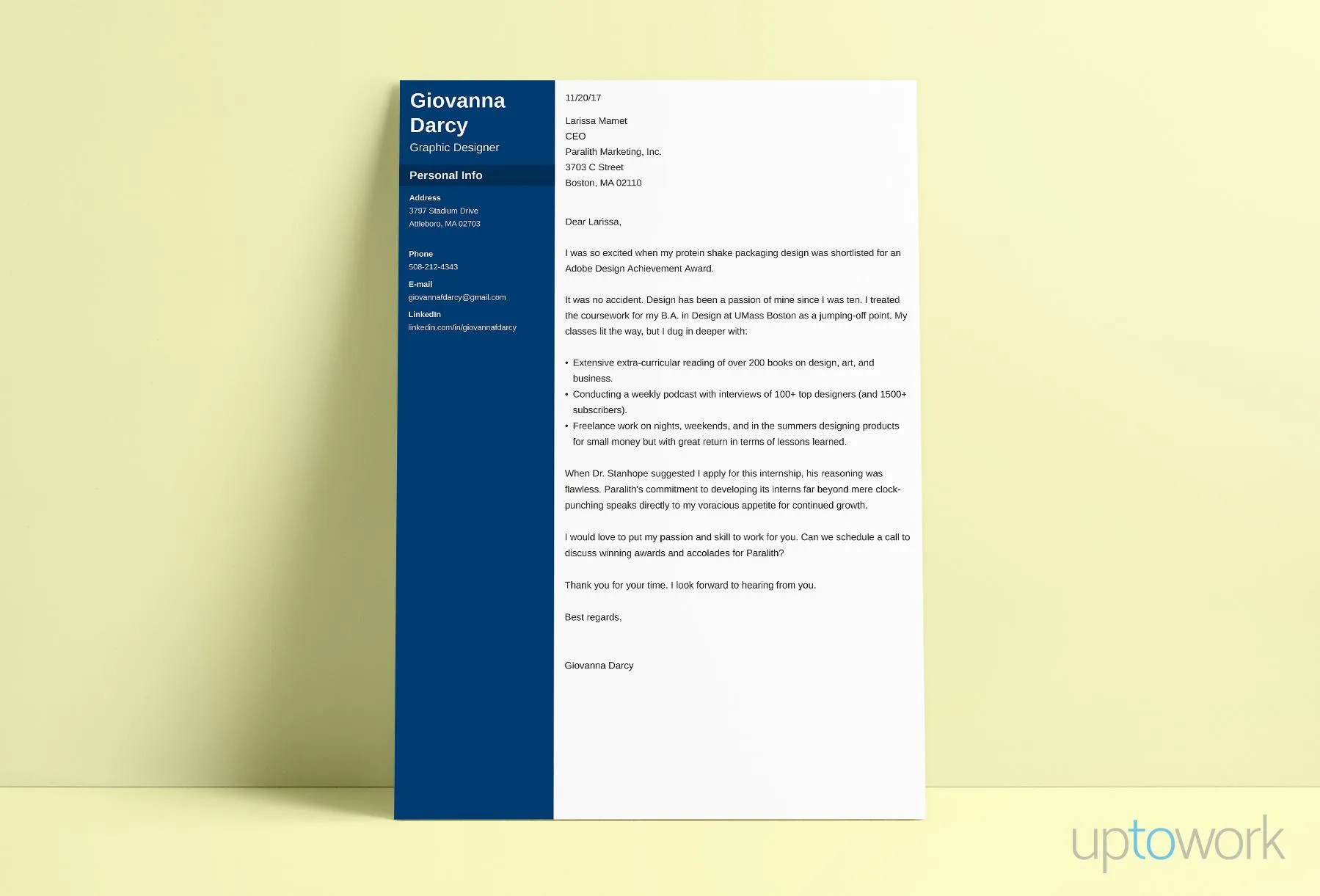
Understanding the Graduate Intern Cover Letter
A graduate intern cover letter is a crucial document in your job application. It serves as your first introduction to a potential employer, providing a concise overview of your qualifications, skills, and enthusiasm for the internship opportunity. This letter complements your resume, offering a more personal perspective and demonstrating your genuine interest in the specific role and company. It is an opportunity to showcase your personality, connect your academic background with the internship requirements, and highlight your potential contributions to the organization. A well-crafted cover letter significantly increases your chances of getting noticed and securing an interview, setting you apart from other candidates. It demonstrates your communication skills, attention to detail, and your proactive approach to the job search.
Purpose of a Cover Letter
The primary purpose of a cover letter is to express your interest in a specific position and to persuade the hiring manager that you are a strong candidate. It allows you to expand on your resume, providing context to your skills and experiences. A cover letter helps you demonstrate how your qualifications align with the internship’s requirements and the company’s values. It’s your chance to make a positive first impression, showcasing your communication skills and professional demeanor. Furthermore, a cover letter can help you address any gaps in your resume or explain unusual circumstances, such as career changes or periods of unemployment. Ultimately, the goal is to secure an interview by presenting yourself as a well-suited, enthusiastic, and prepared candidate who can add value to the team. It is also an opportunity to show your understanding of the company and the internship role.
Key Components of a Graduate Intern Cover Letter

A successful graduate intern cover letter comprises several key components that work together to create a compelling narrative. These elements include a well-formatted header with your contact information, a professional salutation, an engaging introduction that states your purpose, a body section that highlights your relevant skills and experiences, and a closing that expresses your enthusiasm and gratitude. Each part plays a vital role in conveying your qualifications and interest in the internship. The organization of your letter is essential. Ensure each paragraph serves a purpose, conveying key information about you and your suitability for the role. This structured approach ensures your cover letter is clear, concise, and impactful, allowing the reader to quickly grasp why you are a good fit. It also helps you manage your writing, ensuring all necessary points are covered. This is a quick way to demonstrate the best version of your professional self.
Contact Information
Your contact information should be the first thing listed, typically at the top of your cover letter. It should include your full name, address, phone number, and professional email address. Make sure the information is accurate and easy to read. Using a clean and professional font is important. The header must look neat and organized. It’s important to make it easy for the hiring manager to reach you. Consider formatting it in a way that is consistent with your resume to maintain a professional image. Double-check all details for accuracy to avoid any errors. It is also possible to include a link to your LinkedIn profile or online portfolio, if you have one, to provide a quick way for the employer to learn more about your professional background. This additional information provides a quick way to verify your credentials, further showing you’re the right candidate.
Your Header
The header should be at the top of your cover letter and include your name, address, phone number, and email address. Make sure this is clear, easily readable, and professional. It is important to make the header well-organized and consistent with your overall style. A well-designed header sets a professional tone. Avoid using unprofessional email addresses. Check your contact information for accuracy before sending it. An organized header is key to making a good first impression. You can also consider including the date in your header to stay organized. The header ensures that the recruiter or hiring manager can easily contact you.
Salutation

The salutation begins your cover letter and sets the tone for your interaction with the reader. Aim for a professional and personalized approach. If possible, address the hiring manager or the specific person mentioned in the job posting by name. Researching the hiring manager’s name beforehand is very helpful. Use titles such as “Mr.,” “Ms.,” or “Dr.” as appropriate. If you cannot find a specific name, use a general greeting such as “Dear Hiring Manager.” Avoid generic greetings like “To Whom It May Concern,” which can make your letter feel impersonal. A personalized salutation shows you’ve taken the time to research and understand the role. A well-crafted salutation demonstrates your attention to detail and respect. This can greatly improve your chances of success.
Body Paragraph 1 Introduction
The first paragraph of your cover letter is your introduction and should immediately capture the reader’s attention. Start by stating the position you are applying for and where you saw the job posting. Briefly mention your academic background or current graduate program. Highlight what makes you enthusiastic about the internship or the company. Show your genuine interest in the opportunity. You can also briefly state what you hope to achieve during the internship. This opening paragraph sets the tone for the rest of your letter. Make it clear and concise. The introductory paragraph should entice the reader to continue. This should hook the reader and show why they should read your letter.
Why You are Interested
In this section, articulate your specific reasons for applying for the internship. Reflect on what excites you most about the role and the company. Research the company to understand its mission, values, and recent achievements. Demonstrate that you understand the industry and the challenges the company faces. Explain how the internship aligns with your career goals and academic interests. Share why you believe this internship is a great learning opportunity. This shows the hiring manager that you have done your homework and are genuinely interested in the position. Highlight the specific aspects of the role and the company that resonate with you. Expressing a genuine interest helps you stand out.
Body Paragraph 2 Show Your Value

The second paragraph should showcase your skills and experiences. The point is to align your qualifications with the internship’s requirements. Analyze the job description and identify the key skills and experiences the company is looking for. Provide examples of your relevant experiences, whether from coursework, projects, or previous internships. Quantify your achievements whenever possible by using metrics to demonstrate your impact. Show how your skills and experiences have prepared you for this internship. Highlight any special skills, such as language proficiency or technical skills, that make you a strong candidate. Connect your abilities to the internship requirements to show why you are the best fit. Emphasize what makes you unique.
Highlight Relevant Skills and Experience
This is where you provide evidence of your skills and experience. Review the job description and make a list of the skills and experiences that the company is looking for. Discuss your skills and relate them to the job. Show how your skills and experiences align with the internship’s requirements. Mention any relevant coursework, projects, or prior experiences. Use concrete examples to show how you’ve used these skills. Quantify your achievements by using metrics and data. Make sure your language is professional and concise. This is your chance to demonstrate that you’re a good fit. It’s critical to show how you are prepared for the internship. Use examples to back up your claims.
Body Paragraph 3 Close the Deal
In the third body paragraph, you can tie everything together and reiterate your enthusiasm. Restate your interest in the internship. Reiterate how your skills and experiences match the job requirements. Summarize your value proposition and why you are the ideal candidate. Express confidence in your ability to contribute to the company. Reiterate why the company and internship appeal to you. Mention your availability for an interview and express your willingness to provide further information. Highlight why you are uniquely suited for the role and what you can bring to the table. The goal is to reinforce the connection and make a strong case for your candidacy. This should reinforce the idea that you’re the perfect choice.
Express Enthusiasm and Gratitude

In the closing paragraph, express your enthusiasm for the opportunity and show gratitude for their time and consideration. Thank the hiring manager for reviewing your application and reading your letter. Reiterate your strong interest in the internship. State your willingness to participate in an interview. Make it clear that you are available for any further questions. Provide your contact information once more for ease. This demonstrates professionalism and courtesy. Leave a positive lasting impression. Show that you are eager to contribute to the team. This final touch is important for your chances of success.
Formal Closing and Signature
The closing of your cover letter should be professional and respectful. Use a formal closing such as “Sincerely,” “Best regards,” or “Thank you.” Leave space for your handwritten signature, if you’re submitting a hard copy. Type your full name below the signature line. Ensure your signature is clear and legible. Confirm your professionalism and attention to detail with your closing. A well-crafted closing shows courtesy and respect. This is a great way to make a good impression.
Formatting and Design
Formatting is important for the visual appeal and readability of your cover letter. Use a clean, professional font and maintain consistent formatting throughout. Keep your cover letter concise. Use clear headings and subheadings to organize the information. Use bullet points to highlight key skills and experiences. Ensure your cover letter is easy to read and navigate. A well-formatted letter shows your attention to detail. It also helps the reader quickly grasp the most important information. This is essential for ensuring your cover letter gets noticed.
Font and Style

Choosing the right font and style is important for readability and professionalism. Use a standard, easy-to-read font, such as Times New Roman, Arial, or Calibri. Use a font size of 11 or 12 points. Maintain consistent font size and style throughout the document. Make sure that your text is clear and easy to read. Be consistent with your formatting choices. Avoid overly decorative fonts. Ensure that your cover letter is visually appealing and professional. Select a professional font that is easy to read. Maintaining consistency in fonts and styles enhances your credibility.
Proofreading and Editing
Proofreading and editing are critical steps to make sure your cover letter is polished. Proofread your cover letter carefully for any spelling errors, grammatical mistakes, and typos. Check for clarity, conciseness, and proper grammar. Ensure that your sentences flow smoothly. Ask someone else to review your cover letter for a second opinion. Proofread the document multiple times. A mistake-free cover letter reflects your attention to detail and professionalism. A well-edited cover letter shows your commitment to quality. Taking extra time to proofread is important for a strong impression.
Common Mistakes to Avoid
There are common mistakes that can weaken your cover letter. One mistake is not tailoring the letter to the specific job and company. Avoid generic cover letters, and customize them. Another mistake is simply repeating information from your resume. Your cover letter should give more detail. Overusing jargon or overly formal language can also be a mistake. Make it clear and accessible. Make sure you don’t include any negative information about previous employers. Avoid any errors that may hurt your chances of being hired. A well-written cover letter will get noticed. Review your cover letter and fix any issues you find. Always make sure that your cover letter is easy to read.