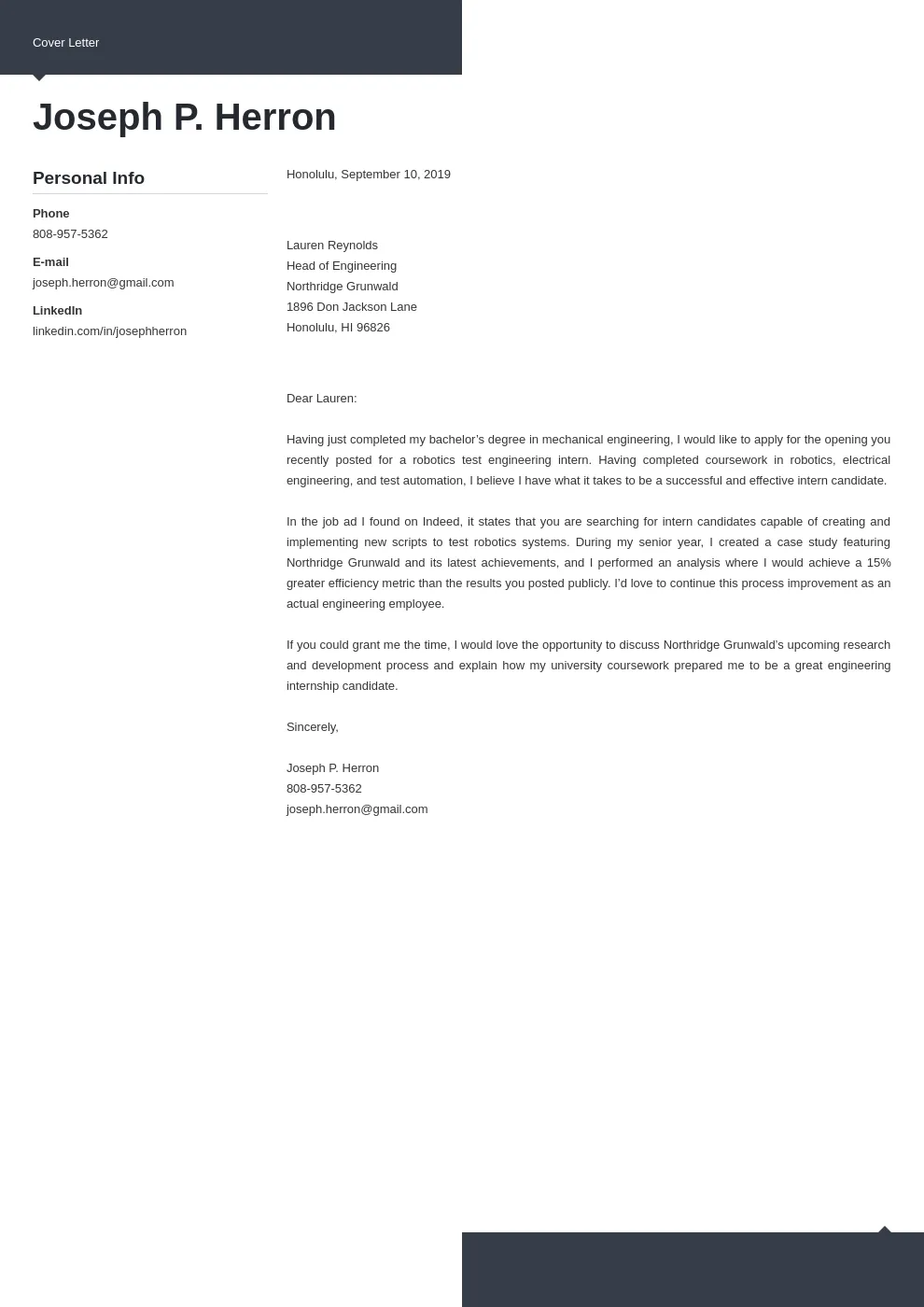
Why a Strong Graduate Engineering Cover Letter Matters
As a recent graduate, your engineering cover letter is a crucial tool in your job search. It’s often the first impression you make on potential employers, offering a glimpse into your skills, experiences, and personality. A well-crafted cover letter can significantly increase your chances of landing an interview, setting you apart from other applicants. It’s your chance to tell your story, highlight your unique qualifications, and express your enthusiasm for the role and the company. In a competitive job market, a strong cover letter can be the deciding factor in whether your application makes it to the next stage.
Highlighting Your Engineering Skills & Knowledge
Your cover letter is the ideal place to showcase the technical and soft skills you’ve acquired during your studies and any internships or projects. Focus on demonstrating how your skills align with the specific requirements of the job description. Use clear, concise language and provide concrete examples to illustrate your abilities. Avoid simply listing skills; instead, explain how you’ve applied them to solve problems or achieve results. Remember to tailor your skills section to each application, emphasizing the skills that are most relevant to the role.
Technical Skills to Showcase

When highlighting your technical skills, be specific. Instead of stating ‘proficient in CAD software,’ mention the specific software you’ve used (e.g., AutoCAD, SolidWorks) and how you’ve used it (e.g., for designing complex mechanical systems, creating detailed 3D models). Include skills related to programming languages (e.g., Python, MATLAB), simulation software (e.g., ANSYS, COMSOL), and any other relevant tools. Showcasing this will let them know you have experience with tools the business uses.
Soft Skills that Impress Employers
Beyond technical skills, employers highly value soft skills, such as communication, teamwork, problem-solving, and leadership. Provide examples of how you’ve demonstrated these skills in your academic projects, internships, or extracurricular activities. For instance, describe a time you collaborated with a team to overcome a design challenge, highlighting your communication skills and ability to work under pressure. Remember to frame your answers using the STAR method (Situation, Task, Action, Result) to effectively convey your achievements.
Tailoring Your Cover Letter
One of the biggest mistakes graduate engineers make is submitting generic cover letters. Tailoring your cover letter to each job application is essential. This demonstrates to the employer that you’ve taken the time to understand the role and the company, showing genuine interest. It also allows you to directly address the specific requirements outlined in the job description, making your application more relevant and compelling. Generic letters are easily spotted and often discarded.
Researching the Company and Role

Before you start writing, research the company’s mission, values, and recent projects. Understand the specific responsibilities of the role and the skills they are seeking. This information will help you customize your cover letter, demonstrating how your skills and experiences align with their needs. Visit the company’s website, read industry articles, and browse their social media profiles to gather insights. Show the business how much you want to join.
Customizing Your Content
Once you have a clear understanding of the company and role, tailor your cover letter content. Use the job description as a guide to identify the key skills and experiences the employer is looking for. Highlight your relevant qualifications and provide specific examples of how you’ve demonstrated those skills. Avoid simply repeating your resume; instead, elaborate on your experiences and explain how they make you a strong candidate for the position. This ensures the employer can see the hard work you did to prepare.
Structuring Your Cover Letter
A well-structured cover letter is easy to read and keeps the reader engaged. Use a clear and concise format with distinct sections. Pay attention to the flow of information, ensuring each paragraph builds on the previous one. The structure should guide the reader through your qualifications, experiences, and enthusiasm for the role. Aim for a professional and polished presentation that reflects your attention to detail and strong communication skills. Your format will impress the employer.
Header and Contact Information
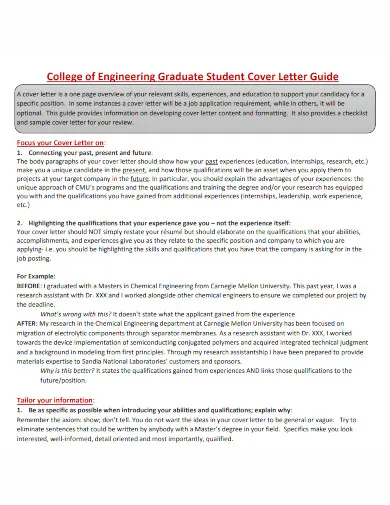
Start your cover letter with your contact information, including your name, address, phone number, and email address. If you have a LinkedIn profile or online portfolio, include the URL. Also, include the date and the hiring manager’s name and title, if known. Proper formatting shows the employer that you care.
Opening Paragraph: Grabbing Attention
Your opening paragraph should immediately grab the reader’s attention. State the position you are applying for and briefly explain why you are interested in the role and the company. Highlight one or two key qualifications that make you a strong candidate. Your opening paragraph should set the tone for the rest of the letter, demonstrating your enthusiasm and highlighting your most relevant skills.
Body Paragraphs: Showcasing Achievements
The body paragraphs should provide detailed examples of your skills and experiences. Focus on showcasing your achievements rather than just listing your responsibilities. Use the STAR method to describe specific situations, the tasks you undertook, the actions you took, and the results you achieved. Quantify your accomplishments whenever possible to demonstrate the impact of your work. This will show the employer exactly what you can do.
Quantifying Your Accomplishments

Whenever possible, quantify your accomplishments to demonstrate the impact of your work. For example, instead of saying ‘Improved the efficiency of a process,’ state ‘Improved the efficiency of a process by 15%, reducing operational costs by $10,000.’ Quantifiable results provide concrete evidence of your abilities and make your achievements more compelling. Numbers speak louder than words when it comes to showcasing your value.
Using Action Verbs Effectively
Use strong action verbs to describe your experiences and accomplishments. Action verbs add dynamism to your writing and make your cover letter more engaging. Examples include ‘designed,’ ‘developed,’ ‘implemented,’ ‘managed,’ ‘analyzed,’ and ‘optimized.’ Avoid passive language; instead, use active verbs to show initiative and take ownership of your achievements. Employers love to see this in a potential employee.
Closing Paragraph: Call to Action
In your closing paragraph, reiterate your interest in the role and the company. Thank the hiring manager for their time and consideration. Include a clear call to action, such as expressing your availability for an interview and providing your contact information again. End with a professional closing, such as ‘Sincerely’ or ‘Best regards,’ followed by your name.
Proofreading and Formatting

Before submitting your cover letter, carefully proofread it for any errors in grammar, spelling, and punctuation. Ensure that your formatting is consistent and professional. A well-formatted and error-free cover letter demonstrates your attention to detail and professionalism. Consider having a friend, family member, or career advisor review your cover letter for feedback. Another pair of eyes can catch mistakes you may have missed.
Common Mistakes to Avoid
Avoiding common mistakes can significantly increase the effectiveness of your cover letter. Some common pitfalls include submitting generic cover letters, making typos and grammatical errors, and ignoring the job description. By being aware of these mistakes, you can ensure your cover letter stands out for the right reasons.
Generic Cover Letters
As mentioned, generic cover letters are a major turn-off for employers. Avoid using a template that could be used for any job. Tailor your cover letter to each specific job application, highlighting the skills and experiences that are most relevant to the role and the company. Show the employer that you put in the time to create your cover letter. Take the time to show your interest to the employer.
Typos and Grammatical Errors
Typos and grammatical errors can damage your credibility and make you appear unprofessional. Carefully proofread your cover letter multiple times before submitting it. Use a grammar checker to identify and correct any errors. Ask someone else to review your letter for a fresh perspective. Correcting errors is the best way to get your foot in the door.
Ignoring the Job Description
Failing to address the requirements outlined in the job description is a missed opportunity. Review the job description carefully and tailor your cover letter to highlight the skills and experiences the employer is seeking. Demonstrate how your qualifications align with the role’s responsibilities. Your letter should directly address the requirements of the role.
Example Graduate Engineering Cover Letters
Reviewing example cover letters can give you a better understanding of how to structure your own. These examples can provide inspiration and guidance for highlighting your skills and experiences. Remember to adapt the examples to your specific qualifications and the job you are applying for. Use the examples for a better idea of what the employers want.
Example 1 Civil Engineering
This example will highlight how a graduate civil engineer can tailor their cover letter to demonstrate their skills in infrastructure design, project management, and knowledge of relevant software (like AutoCAD and Civil 3D). Focus on any internships you had as well.
Example 2 Mechanical Engineering
This example will showcase how a mechanical engineering graduate can emphasize their design experience, knowledge of thermodynamics and fluid dynamics, and proficiency in simulation software (such as ANSYS). Focus on any projects you have completed.
Example 3 Electrical Engineering
This example will illustrate how an electrical engineering graduate can highlight their skills in circuit design, embedded systems, and programming (such as C++ or Python). Include information on projects related to power systems or signal processing.