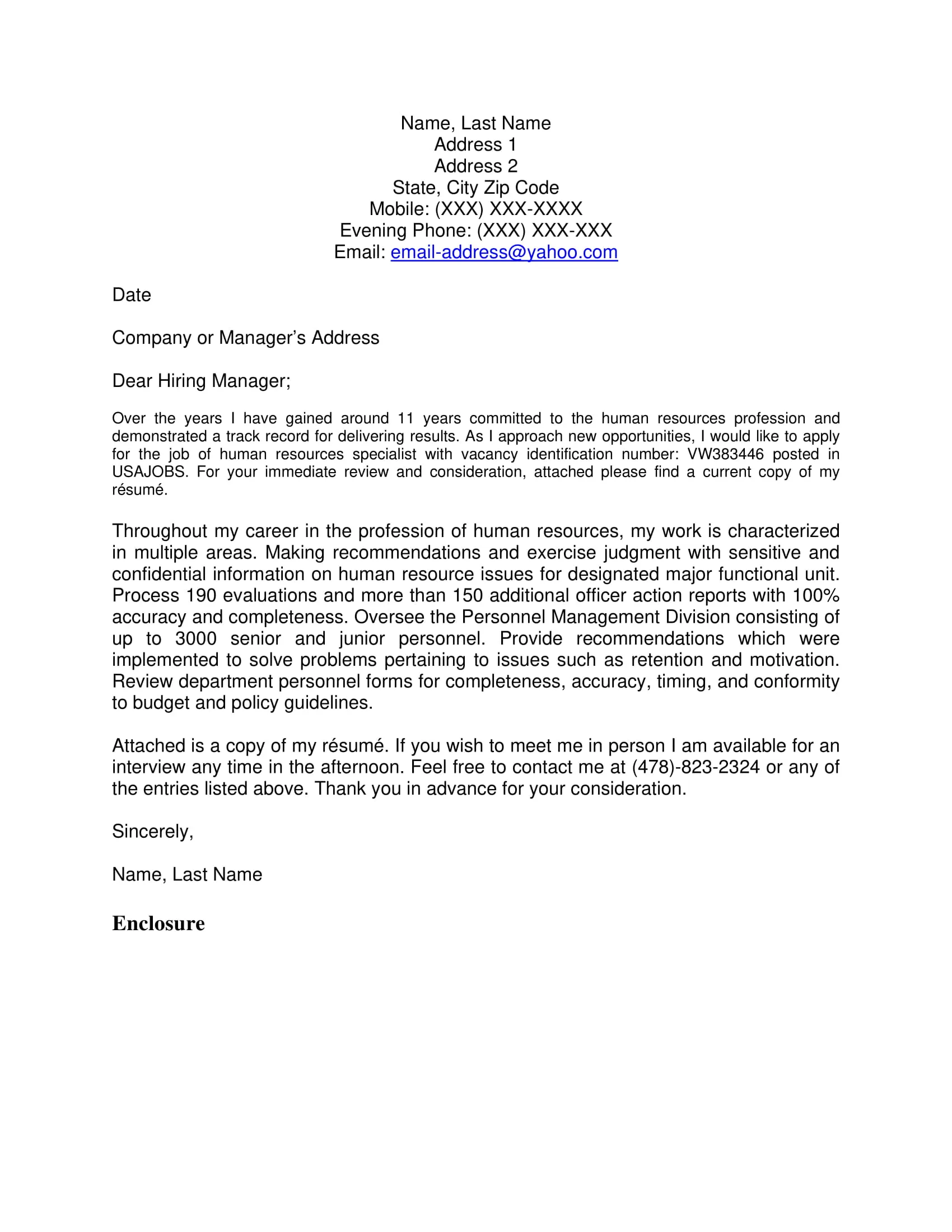
Crafting Your Government Job Cover Letter
Applying for a government job requires a strategic approach, and a well-crafted cover letter is a crucial element of that strategy. This guide will provide you with a comprehensive, step-by-step approach to crafting a compelling cover letter that will significantly increase your chances of landing an interview. The government job market can be highly competitive, but a cover letter tailored to the specific requirements of the position and the agency’s values can set you apart. By following these guidelines, you can effectively showcase your skills, experience, and qualifications, making a strong first impression on hiring managers and demonstrating your suitability for the role. A well-written cover letter is not merely a formality; it is your opportunity to present yourself as the ideal candidate and express your interest in the position.
Understanding the Government Job Application Process
Before you start writing, familiarize yourself with the unique aspects of the government job application process. Unlike private sector applications, government jobs often require adherence to specific formats and guidelines. Understanding the requirements for the specific agency and position you are applying for is paramount. Many government agencies use online application systems like USAJOBS, and your cover letter must align with their specific requirements. Read the job announcement thoroughly to understand the required qualifications, desired skills, and any specific instructions for submitting your application materials. Pay close attention to the evaluation criteria, as these will guide you in highlighting the most relevant aspects of your experience. By understanding the process, you can tailor your cover letter to effectively address the needs of the agency and increase your chances of success.
Key Components of a Strong Cover Letter

A strong government job cover letter typically includes several key components that work together to create a compelling presentation. The first is the header, which contains your contact information, the date, and the contact information of the hiring manager or the agency. Next comes the opening paragraph, which should immediately state the position you are applying for and express your enthusiasm. The body paragraphs should showcase your relevant skills and experience, providing specific examples that align with the job description. Quantify your achievements whenever possible to demonstrate your impact. The closing paragraph should reiterate your interest, thank the reader for their time, and include a call to action. Remember that each element should be carefully constructed to convey your qualifications and enthusiasm effectively.
Header and Contact Information
The header of your cover letter serves as the introduction and must be accurate and professional. Start with your full name, address, phone number, and email address. Make sure your email address is professional-sounding. Then, include the date. Following this, address the hiring manager, if their name is listed in the job announcement. If not, use the title of the hiring manager or the department. Use a formal salutation such as “Dear Mr./Ms./Mx. [Last Name]” or “Dear Hiring Manager”. Double-check all contact information for accuracy to ensure that the agency can easily reach you. The header must be clear, concise, and formatted correctly to provide a professional appearance.
Personalizing Your Cover Letter
Generic cover letters are easily discarded. Personalize your cover letter to reflect the specific requirements of the job and the values of the agency. Research the agency to understand its mission, values, and recent accomplishments. In the body of your letter, demonstrate your understanding of the agency’s work and how your skills and experience align with its goals. This could involve mentioning specific projects or initiatives that resonate with you or highlighting your commitment to public service. Use the job description as a guide, and tailor your letter to address the specific requirements and preferred qualifications. Avoid using clichés and instead, write in your own voice to create a genuine connection with the reader. Personalization shows you’ve done your research and are genuinely interested in the position.
Highlighting Relevant Skills and Experience

The body of your cover letter is your opportunity to demonstrate how your skills and experience align with the job’s requirements. Review the job description carefully and identify the key skills and qualifications the agency is seeking. Then, provide specific examples from your professional history that illustrate those skills. Use the STAR method (Situation, Task, Action, Result) to structure your examples. Describe the situation you were in, the task you had to accomplish, the action you took, and the results you achieved. Quantify your accomplishments whenever possible; for example, “Increased sales by 15%” or “Managed a team of 10 employees”. This approach helps hiring managers understand the impact you can make and provides tangible evidence of your abilities. Focus on quality over quantity, selecting the most relevant examples that directly address the job requirements.
Tailoring Your Cover Letter to the Job Description
Every government job is different, so your cover letter should be tailored to each specific opportunity. Do not use the same cover letter for multiple applications. Carefully analyze the job description to identify the key skills, qualifications, and experience the agency is seeking. Then, highlight the aspects of your background that best match these requirements. Use the same keywords and phrases from the job description throughout your letter to demonstrate that you are a good fit. Explain how your skills and experience relate to the specific responsibilities outlined in the job description. If the job posting emphasizes certain areas, make sure you address them in detail. Customization shows you’ve carefully considered the role and are genuinely interested in the specific opportunity.
Researching the Agency and Position
Demonstrate your genuine interest in the role by researching the agency and the specific position. Visit the agency’s website to learn about its mission, values, and recent activities. Understand the agency’s role within the government and its contribution to public service. Investigate the specific responsibilities of the position you are applying for, and try to understand the challenges and opportunities associated with the role. This research will allow you to personalize your cover letter and show the hiring manager that you have a genuine interest in the position and the agency. Mention specific projects or initiatives the agency is involved in that resonate with your values or align with your skills. This demonstrates initiative and a proactive approach.
Quantifying Your Accomplishments

Numbers speak louder than words. Whenever possible, quantify your accomplishments to provide concrete evidence of your impact. Use specific metrics and data to demonstrate the results you achieved in previous roles. Instead of saying “Improved customer satisfaction,” state “Increased customer satisfaction scores by 20%.” Instead of saying “Managed projects,” state “Managed a portfolio of projects with a budget of $X and delivered them on time and under budget.” Providing specific numbers and quantifiable results makes your cover letter more compelling and gives the hiring manager a clear understanding of your abilities. This approach helps hiring managers evaluate your experience objectively and assess your potential for success in the role. Specific data demonstrates that you can analyze and measure results effectively.
Demonstrating Alignment with Government Values
Government agencies highly value public service, integrity, and commitment to the public good. Your cover letter should reflect these values. Highlight your experience working in team environments, demonstrating your communication and collaboration skills. Emphasize your ability to handle confidential information and maintain ethical standards. Mention any volunteer work or community involvement that demonstrates your commitment to public service. Frame your skills and experiences in terms of how they contribute to the agency’s mission. The cover letter is an excellent opportunity to showcase that you possess integrity and a dedication to serving the public. Mention your understanding of and commitment to government policies and regulations, if applicable.
Writing a Compelling Opening and Closing
The opening and closing paragraphs are your opportunity to make a strong first and lasting impression. Your opening should immediately state the position you are applying for and express your enthusiasm for the opportunity. Briefly mention why you are interested in the role and what makes you a good fit. In the closing paragraph, reiterate your interest in the position and thank the reader for their time and consideration. Include a call to action, such as “I look forward to hearing from you soon” or “I am available for an interview at your earliest convenience.” Reiterate your contact information to make it easy for the hiring manager to reach you. Make sure your opening and closing are concise, enthusiastic, and professionally written.
Proofreading and Editing Your Cover Letter

Before submitting your cover letter, meticulously proofread and edit it for any errors in grammar, spelling, and punctuation. Errors can undermine your credibility and give the impression that you are not detail-oriented. Read the letter aloud to catch any awkward phrasing or sentences that don’t flow smoothly. Ask a trusted friend, colleague, or career advisor to review your cover letter. Fresh eyes can often spot errors that you might have missed. Ensure the formatting is consistent throughout the document. Proofreading and editing demonstrates professionalism and attention to detail, significantly increasing your chances of success.