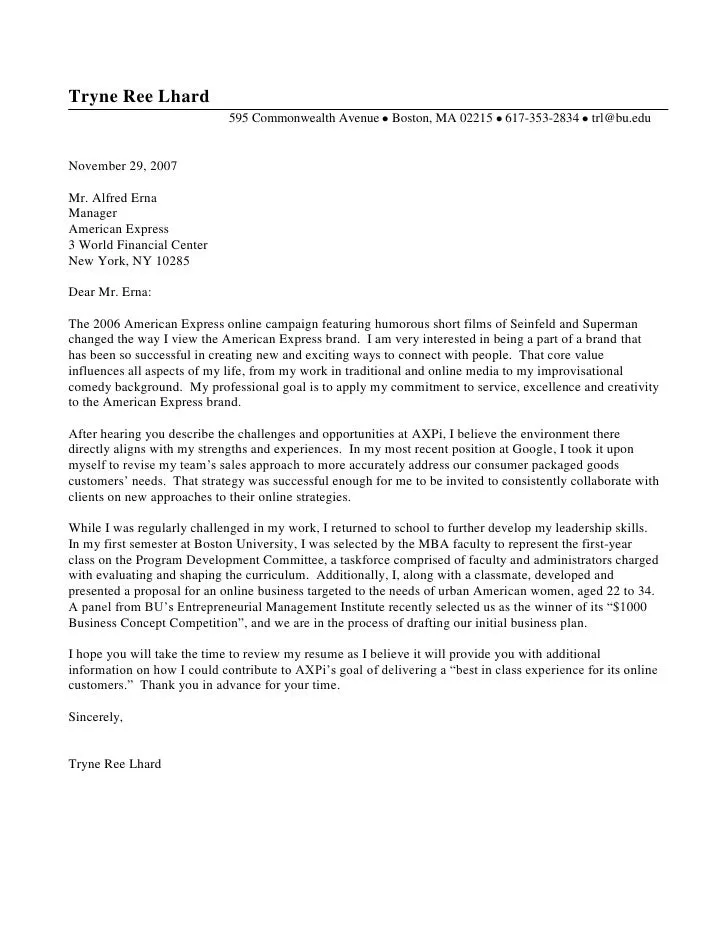
Understanding the Power of a Good Sample Cover Letter
A good sample cover letter is more than just a formality; it is your first impression on a potential employer. It serves as your opportunity to showcase your personality, highlight your key skills, and express your genuine interest in the position. Unlike a resume, a cover letter allows you to tell your story and explain why you are the ideal candidate for the role. A well-crafted cover letter can significantly increase your chances of getting an interview, distinguishing you from other applicants and demonstrating your professionalism and attention to detail. It’s your chance to make a lasting impact and set the stage for a successful job search.
What is a Good Sample Cover Letter
A good sample cover letter is a tailored document that complements your resume and provides additional context to your qualifications. It’s not a regurgitation of your resume but rather a compelling narrative that highlights your relevant skills, experiences, and achievements. A good sample cover letter should be concise, well-written, and tailored to the specific job and company. It should clearly articulate your value proposition and explain why you’re a perfect fit for the role, demonstrating your understanding of the company’s needs and your enthusiasm for the opportunity. The best cover letters showcase personality while maintaining a professional tone.
Key Components of a Stellar Cover Letter

A stellar cover letter contains several key components that work together to make a strong impression. Firstly, a clear and concise opening that captures the reader’s attention. Secondly, a compelling body that highlights your most relevant skills and experiences, providing concrete examples of your accomplishments. Thirdly, a strong closing that reiterates your interest and includes a call to action. The letter should also be well-formatted, free of errors, and tailored to the specific job and company. Every part of the cover letter should communicate professionalism and highlight your unique qualifications.
Formatting Your Cover Letter for Maximum Impact
Formatting plays a crucial role in ensuring your cover letter is easy to read and visually appealing. Use a professional font like Times New Roman, Arial, or Calibri, keeping the font size between 10 and 12 points. Maintain consistent spacing throughout the document, including single spacing within paragraphs and a double space between paragraphs. Use clear headings and subheadings to break up the text and make it easier to scan. Keep your paragraphs concise and to the point. Proofread carefully to eliminate any typos or formatting inconsistencies. A well-formatted cover letter is visually appealing and reflects your attention to detail.
Crafting the Perfect Opening for Your Cover Letter
The opening paragraph of your cover letter is your first chance to make a positive impression, so it should be engaging and grab the reader’s attention immediately. Avoid generic opening lines. Instead, customize your opening by mentioning the specific role you’re applying for and how you learned about the opportunity. Show your enthusiasm for the position and the company, and briefly state why you’re a good fit. You can also mention a mutual connection or something specific that caught your eye in the job description. A strong opening immediately draws the reader in and motivates them to continue reading.
Body Paragraphs That Sell Your Skills

The body of your cover letter is where you provide specific examples of your skills and experiences, connecting them to the requirements of the job. Focus on the most relevant qualifications, highlighting your achievements and how they align with the company’s needs. Use the STAR method (Situation, Task, Action, Result) to structure your examples. This helps you provide concrete evidence of your abilities. Be concise, using clear language and avoiding jargon. Your body paragraphs should convince the hiring manager that you possess the skills and experience to excel in the role, making you stand out from the other applicants.
Highlighting Your Achievements Effectively
Highlighting your achievements is key to demonstrating your value to the company. Rather than just listing your job duties, focus on the results you achieved in previous roles. Use action verbs to describe what you accomplished and quantify your achievements whenever possible. Showcase the impact you made, such as increased sales, improved efficiency, or successful project completions. Focus on achievements that directly relate to the job requirements, showing that you understand the employer’s priorities and have the track record to prove your capabilities. Make sure to tailor these examples to the specific needs of the company you are applying to.
Quantifying Your Accomplishments
Quantifying your accomplishments adds credibility to your cover letter. Whenever possible, use numbers, percentages, or other metrics to demonstrate the impact of your work. For example, instead of saying you “increased sales,” state that you “increased sales by 15% in one quarter.” Quantifiable results make your achievements more tangible and easier for the hiring manager to understand. Using numbers helps you present your achievements more persuasively and prove your value to the company. This provides tangible evidence that you can deliver results, helping you stand out from other applicants.
Tailoring Your Cover Letter

Tailoring your cover letter to each job application is one of the most crucial steps in the job application process. Generic cover letters that could apply to any role are rarely effective. Research the company and the specific role, and then tailor your cover letter to match the job description and the company’s needs. Highlight the skills and experiences that are most relevant to the role. Customizing your cover letter shows that you have taken the time to understand the opportunity and are genuinely interested in the position, which drastically increases your chances of success.
Researching the Company and the Role
Before you start writing your cover letter, thoroughly research the company and the specific role you’re applying for. Visit the company website to learn about their mission, values, and recent projects. Review the job description carefully, noting the key skills, qualifications, and responsibilities. Understanding the company’s culture and the role’s requirements helps you tailor your cover letter to demonstrate that you possess the necessary qualities and are excited about the opportunity. This research also shows the hiring manager that you’ve invested time in understanding the position and are truly interested.
Customizing Your Letter for Each Application
After researching the company and role, customize your cover letter to reflect what you have learned. Use keywords from the job description and highlight the skills and experiences that align with the requirements. Provide specific examples of how you have demonstrated these skills in the past. Personalize your cover letter by addressing the hiring manager by name, if possible, and mentioning specific aspects of the company or role that interest you. By tailoring your cover letter, you demonstrate to the hiring manager that you are a perfect fit for this job and this company.
Proofreading and Editing The Final Touches

Proofreading and editing your cover letter are essential for ensuring it is polished and error-free. Errors can make a negative impression and undermine your credibility. Carefully review your cover letter for any typos, grammatical errors, and formatting inconsistencies. Read your cover letter aloud to catch any awkward phrasing or sentences that don’t flow smoothly. Ask a friend or colleague to review your cover letter for a fresh perspective. Proofreading and editing demonstrate your attention to detail and commitment to presenting yourself professionally.
Common Mistakes to Avoid in Your Cover Letter
Avoiding common mistakes can significantly improve the effectiveness of your cover letter. Certain errors can immediately disqualify you from consideration. By understanding these pitfalls and taking steps to avoid them, you can greatly increase your chances of success.
Generic and Vague Language
Using generic and vague language in your cover letter is a common mistake. Avoid using clichés and buzzwords that don’t provide any real information about your skills or experiences. Instead, be specific and provide concrete examples of your accomplishments. Show, don’t just tell, what you are capable of. Using vague language makes you sound like every other applicant. Tailor your cover letter to the specific role and provide specific examples of your successes. The more specific you are, the more impressive you will be.
Typos and Grammatical Errors

Typos and grammatical errors can be detrimental to your chances of getting hired. They suggest a lack of attention to detail and can make you appear unprofessional. Always proofread your cover letter carefully before submitting it. Use a spell checker and grammar checker, but also read the letter aloud to catch any errors. A second set of eyes from a friend or colleague can also be extremely helpful. By ensuring your cover letter is free of errors, you show that you are committed to presenting yourself in the best possible light and highlight your professionalism.
Ignoring the Job Description
Failing to address the requirements of the job description is another mistake. The job description provides the roadmap for what the employer is seeking. Therefore, your cover letter should directly address the key requirements and skills outlined in the job description. Highlight your relevant experience and provide examples that demonstrate how you meet each requirement. Customize your cover letter to the job and make sure you are demonstrating that you have the skills they are looking for.
Closing Your Cover Letter with Confidence
The closing paragraph is your last opportunity to make a positive impression and encourage the hiring manager to contact you. Restate your interest in the position and express your enthusiasm for the opportunity. Include a call to action, such as inviting the hiring manager to contact you for an interview or providing a way to reach out. Thank the hiring manager for their time and consideration. Closing with confidence reinforces your professionalism and increases the likelihood that you’ll be invited to the next stage of the hiring process.
Writing a good sample cover letter takes time and effort, but it’s an investment that can pay off handsomely. By understanding the key components, formatting it effectively, and tailoring it to each job, you will significantly increase your chances of getting noticed and landing an interview. Focus on highlighting your achievements and quantifying your results to present yourself as the best candidate. By avoiding common mistakes and closing with confidence, you’ll make a strong impression on potential employers and take a significant step toward your career goals.