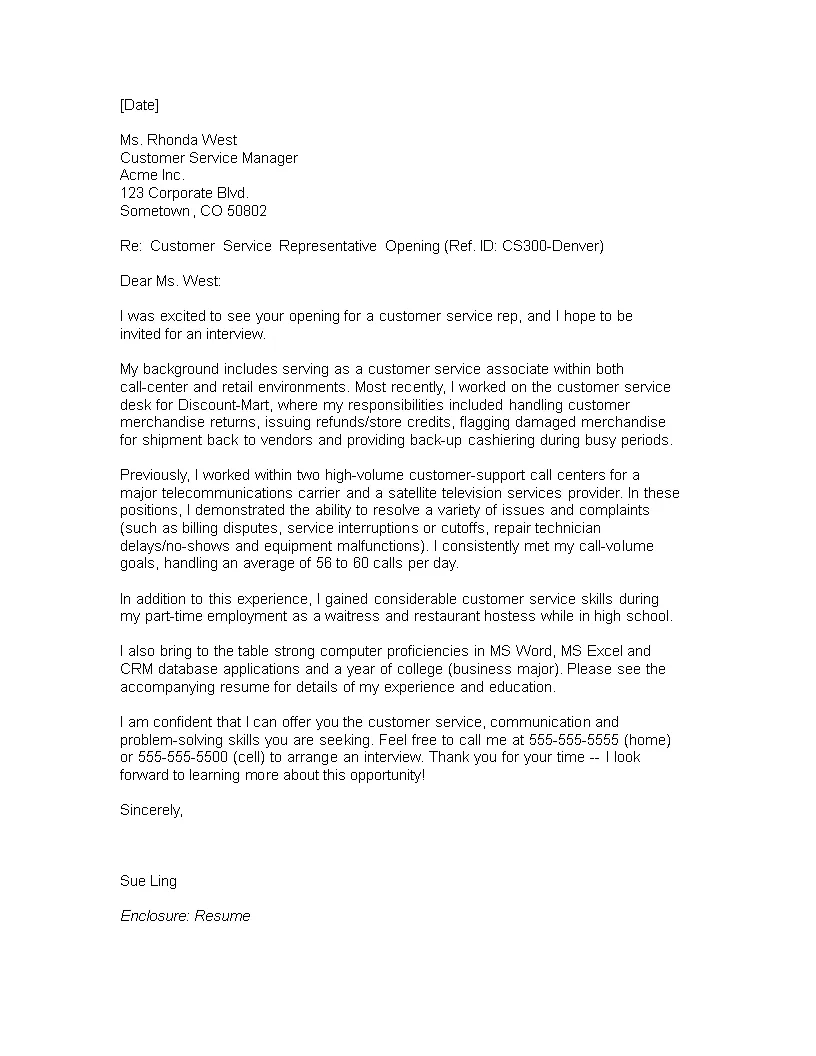
Understanding the Format of Cover Letters
A cover letter is a critical document in your job application, serving as a personalized introduction to your resume and qualifications. Its format is crucial because it significantly impacts how a hiring manager perceives you. A well-formatted cover letter is not just aesthetically pleasing; it demonstrates your attention to detail, professionalism, and understanding of business communication norms. A poorly formatted letter, on the other hand, can lead to your application being overlooked, regardless of your skills and experience. Therefore, learning the correct format is a vital step in creating a successful cover letter that will grab the attention of a recruiter and increase your chances of getting hired. It is the first opportunity to make a great impression and set the stage for your qualifications and ambitions.
Why Formatting Matters
Formatting in a cover letter goes far beyond mere aesthetics; it is a reflection of your professionalism, organizational skills, and attention to detail. A well-formatted cover letter is easier to read, making it more likely that the hiring manager will absorb your key qualifications and understand your value proposition. It shows that you respect the reader’s time and can present information in a clear, concise, and organized manner, a skill highly valued in any professional environment. Furthermore, proper formatting helps maintain consistency, which aids in establishing a professional tone. This consistency underscores your commitment to delivering polished, high-quality work and communicates your suitability for the role. Ignoring these formatting elements could inadvertently send a message that you are careless or inattentive, diminishing your chances of advancing in the application process.
Key Elements of a Cover Letter

A well-structured cover letter consists of several key components that work together to present your qualifications and make a compelling case for your candidacy. Each part plays a unique role in conveying your personality, skills, and enthusiasm for the role. These elements collectively create a cohesive narrative that effectively complements your resume and provides a comprehensive view of your professional profile. A good format ensures each component serves its intended purpose without overwhelming the reader, leading to a positive and lasting impression. A well-structured and formatted cover letter can elevate your application and dramatically improve your odds of securing an interview. By incorporating these elements effectively, you show you understand the application procedure and are meticulous with the details.
Header Section
The header section of your cover letter contains your contact information, making it easy for the hiring manager to reach you. It is typically placed at the top left corner, including your full name, address, phone number, and professional email address. The header should be consistent with the contact information on your resume. Using a professional email address is a must. Double-check for any typos or inaccuracies to ensure your contact information is correct. The format is simple, clear, and easy to read. It’s the first thing the hiring manager sees, so make it perfect. Using a clean format will improve professionalism.
Contact Information
Including your contact information correctly is essential for the hiring manager to reach you. Ensure your email address is professional, your phone number is up to date, and your address is accurate if included. Keep it consistent with your resume. The contact information should be clear, readable, and easy to find. Correct contact information avoids any potential communication errors that could hinder your application. Verification of your contact details is the initial step toward a seamless application process. Always keep your contact information updated, so potential employers have no trouble reaching you and scheduling interviews.
Date and Recipient Information

Following your contact information, include the date and the recipient’s details. Start with the date the cover letter is written, then include the hiring manager’s name, title, and the company’s name and address. If you don’t know the hiring manager’s name, research the company website or LinkedIn. If the name can’t be found, using a general salutation such as ‘Dear Hiring Manager’ is acceptable. Ensure the recipient’s information is up-to-date and accurate to show respect and professionalism. It shows you’ve done your research and are serious about the position. The date helps the employer understand when the letter was written, while the recipient’s information demonstrates your ability to tailor the application.
Salutation
The salutation is your initial greeting, setting the tone for the letter. Always aim to address the hiring manager by name, which shows that you’ve put effort into your application. Use ‘Dear Mr./Ms./Mx. [Last Name]’ if you know the hiring manager’s name. If you are unsure of the name, a more general greeting like ‘Dear Hiring Manager’ or ‘Dear [Company Name] Team’ is acceptable. Make sure that the salutation matches the tone of the company and the job. Avoid informal greetings. A well-chosen salutation immediately establishes a positive connection and demonstrates your attention to detail and professionalism. The salutation establishes the tone for the rest of the letter.
Body Section
The body of your cover letter is the core of your argument, where you connect your qualifications to the job requirements. It consists of an introduction, a body, and a closing paragraph. The body should highlight your relevant skills, experiences, and achievements and why you are a good fit for the role. Organize your paragraphs logically, with clear transitions between ideas. Keep each paragraph concise and targeted, avoiding unnecessary jargon or lengthy explanations. Ensure the content is compelling and showcases your value to the employer. A well-structured and well-written body section is essential for persuading the hiring manager to read your resume and consider you for an interview. By highlighting your skills and experience, you show how well you can perform in the role.
Introduction Paragraph

The introduction should immediately grab the reader’s attention and state your purpose. Begin by mentioning the specific position you are applying for and how you found the job posting. Briefly introduce yourself and state your interest in the role and the company. Use an enthusiastic tone to show your excitement and your match to the job. Keep it brief and impactful, making the reader want to learn more. The goal is to quickly establish why you are writing and entice the hiring manager to continue reading. Your introduction sets the stage for the rest of your cover letter, so it’s essential to make a strong first impression. A solid opening will get the attention of a hiring manager.
Highlighting Skills and Experiences
The main body paragraphs should highlight your relevant skills and experiences. Provide specific examples that demonstrate your abilities and how they align with the job requirements. Use the job description to identify the key skills and qualifications. Quantify your achievements whenever possible, using numbers and data to showcase your impact. Tailor your examples to the specific role, emphasizing experiences most relevant to the position. Explain how your skills and experiences benefit the employer. This part of your letter allows you to go into more detail, making it easier for employers to evaluate your ability to perform the job duties. This section of your cover letter should have the most detail.
Expressing Enthusiasm
Throughout your cover letter, express your enthusiasm for the role and the company. Show that you’ve researched the company and understand their mission and values. Explain why you are excited about the opportunity and what you hope to achieve. Demonstrate your passion and genuine interest in the position. Tailor your tone to the company culture, keeping it professional but still conveying your personality. Enthusiasm makes you a more compelling candidate and shows that you will bring energy and dedication to the role. Expressing your enthusiasm helps you stand out among the applicants. Let your passion shine through!
Formatting the Body

Formatting the body involves ensuring that the paragraphs are well-structured, clear, and easy to read. Use concise paragraphs and clear transitions between ideas. Keep paragraphs brief, ideally no more than five to six sentences. Utilize bullet points to emphasize key accomplishments or skills, making the information easily digestible. Use a professional font and a readable font size, such as Times New Roman or Arial in 11 or 12 points. Maintain consistent margins and spacing. Proper formatting enhances readability and keeps the reader engaged. Formatting ensures that your cover letter is easy to navigate and understand, supporting your application. This includes ensuring that the body paragraph is concise, clean and easy for the recruiter to read.
Closing Section
The closing paragraph of your cover letter summarizes your interest and reiterates your value proposition. Thank the hiring manager for their time and consideration. Express your eagerness to discuss your qualifications further and your availability for an interview. Include a call to action, such as stating that you look forward to hearing from them. The closing paragraph should be brief, positive, and leave a lasting impression. This final section reinforces your enthusiasm and demonstrates professionalism. A strong closing is essential for a successful cover letter.
Formal Closing
Use a formal closing such as ‘Sincerely,’ ‘Best regards,’ or ‘Yours sincerely’ followed by your full name. Avoid casual closings like ‘Cheers’ or ‘Thanks.’ The formal closing sets a professional tone and ends the letter appropriately. Ensure it aligns with the overall tone of your cover letter. This closing reflects your professionalism and attention to detail. A proper closing is an essential part of the application.
Contact Information Reminder

In the closing, you may choose to repeat your contact information for easy reference. This is particularly helpful if the cover letter is printed or forwarded. Include your phone number and email address. Ensure this information is consistent with your header and resume. Providing contact information makes it simple for the hiring manager to reach you. It reinforces your commitment to the opportunity. Keep contact information updated and easy to reach.
Proofreading and Editing
Proofreading and editing are crucial steps in finalizing your cover letter. Carefully review your letter for any grammatical errors, spelling mistakes, and typos. Check for inconsistencies in formatting, such as spacing and font styles. Ensure your language is clear, concise, and professional. Reading your cover letter aloud or having someone else proofread it can help catch errors you might miss. Proofreading ensures your cover letter is polished and presents you in the best possible light. Proofreading is a vital part of the cover letter.
Proofreading for Errors
Proofreading meticulously for errors is vital. Check for grammatical mistakes, spelling errors, punctuation issues, and typos. Review the flow of your writing and ensure that sentences are clear and easy to understand. Use grammar-checking tools, but don’t rely on them solely; also, read your letter aloud to catch errors that may be missed. Errors can distract the hiring manager and detract from your qualifications. A well-proofread cover letter demonstrates attention to detail, which is a critical skill in the workplace. Don’t use grammar-checking tools as a full replacement for proofreading.
Formatting for Readability

Formatting for readability involves optimizing your cover letter to be easily read. Use a clear and professional font such as Arial or Times New Roman in a size between 11 and 12 points. Ensure consistent margins (typically 1 inch on all sides) and proper spacing between paragraphs. Use concise paragraphs with clear transitions. Make it visually appealing and easy on the eyes. Formatting for readability ensures that the hiring manager can quickly and efficiently digest the information in your cover letter. A well-formatted cover letter is easier to read and increases the likelihood of your message being understood and considered. Readable cover letters demonstrate professionalism and a respect for the hiring manager’s time.
Font Selection and Size
Choosing the correct font and size is crucial for readability. Select a professional font like Times New Roman, Arial, or Calibri. Use a font size between 11 and 12 points. Avoid overly decorative or unusual fonts. Consistent font choices and sizes create a professional look. This choice ensures your letter is readable and reflects professionalism. Use a font that complements your resume and makes the document easy to read.
Margins and Spacing
Maintaining consistent margins and spacing is essential for a well-formatted cover letter. Use 1-inch margins on all sides of the page. Double-space between paragraphs for clarity. Ensure consistent spacing throughout the document. These standards improve readability and give your cover letter a clean, organized appearance. Correct margins and spacing enhance the letter’s visual appeal and make the document easier to read and scan. Follow these for a perfect format.
Resume Integration
Integrating your cover letter with your resume means ensuring that both documents work together to create a cohesive picture of your qualifications. Your cover letter should highlight and expand on the information presented in your resume. It should focus on the key skills and experiences that match the job requirements. Maintain consistency in formatting, font, and style between your cover letter and resume. Proper integration makes your application package more professional and effective. When the two are linked, this shows the reader how your skills and qualifications meet the requirements for the job.
Referencing the Resume
Referencing your resume in your cover letter is crucial for making a strong connection. In your cover letter, mention specific experiences, skills, and accomplishments that are also detailed in your resume. Highlight the most relevant information. This is a seamless approach to presenting your qualifications and emphasizing the key elements that match the job requirements. This practice helps the hiring manager understand your complete profile and how your skills align with the company’s needs. You can reference the different skills and experiences that you presented in your resume. Referencing your resume also reminds the recruiter of what you did.
Highlighting Relevant Information
In your cover letter, emphasize the information from your resume that is most relevant to the job description. Focus on the skills, experiences, and accomplishments that directly align with the job requirements. Tailor your cover letter to each specific job, emphasizing the information that makes you the ideal candidate. Use keywords from the job description to show you understand the role. By highlighting relevant information, you will show the hiring manager that you possess the skills they’re seeking and meet the job’s requirements. You can include many skills, but the key is to highlight those that are most important.
Cover Letter Examples & Templates
Using cover letter examples and templates is a practical way to ensure your cover letter follows the correct format and includes the necessary elements. Many resources offer examples and templates tailored to various industries and job types. You can learn from these examples and customize the templates to match your experience and the specific job requirements. Using a template helps you save time and ensure that your cover letter includes all the essential sections. Examples and templates are valuable tools for constructing a professional and effective cover letter. Many cover letter templates can be found online, and these will help you to format the document and make it easier to create.