Understanding the FNP Preceptor Role
Becoming an FNP preceptor is a rewarding opportunity to shape the next generation of Family Nurse Practitioners. It involves guiding and mentoring students in a clinical setting, helping them develop the skills and knowledge necessary to provide excellent patient care. This role requires a strong commitment to teaching, a passion for nursing, and the ability to share your expertise. The FNP preceptor acts as a role model, offering hands-on experience and support to students as they navigate the complexities of the healthcare system. Successful preceptors foster a positive learning environment, encouraging critical thinking, problem-solving, and professional growth. This role is an excellent way to give back to the profession and contribute to the advancement of healthcare.
Key Components of an FNP Preceptor Cover Letter
A well-crafted cover letter is essential for showcasing your qualifications and enthusiasm for the FNP preceptor role. It serves as your initial introduction to the program or institution and provides a platform to highlight your relevant experience, skills, and commitment to student education. The cover letter should be tailored to the specific requirements and expectations of the position, demonstrating your understanding of the role and your suitability as a preceptor. It should be concise, professional, and persuasive, clearly articulating why you are the ideal candidate. Remember, the goal is to make a positive impression and secure an interview, where you can further elaborate on your abilities and passion for teaching.
Header and Contact Information

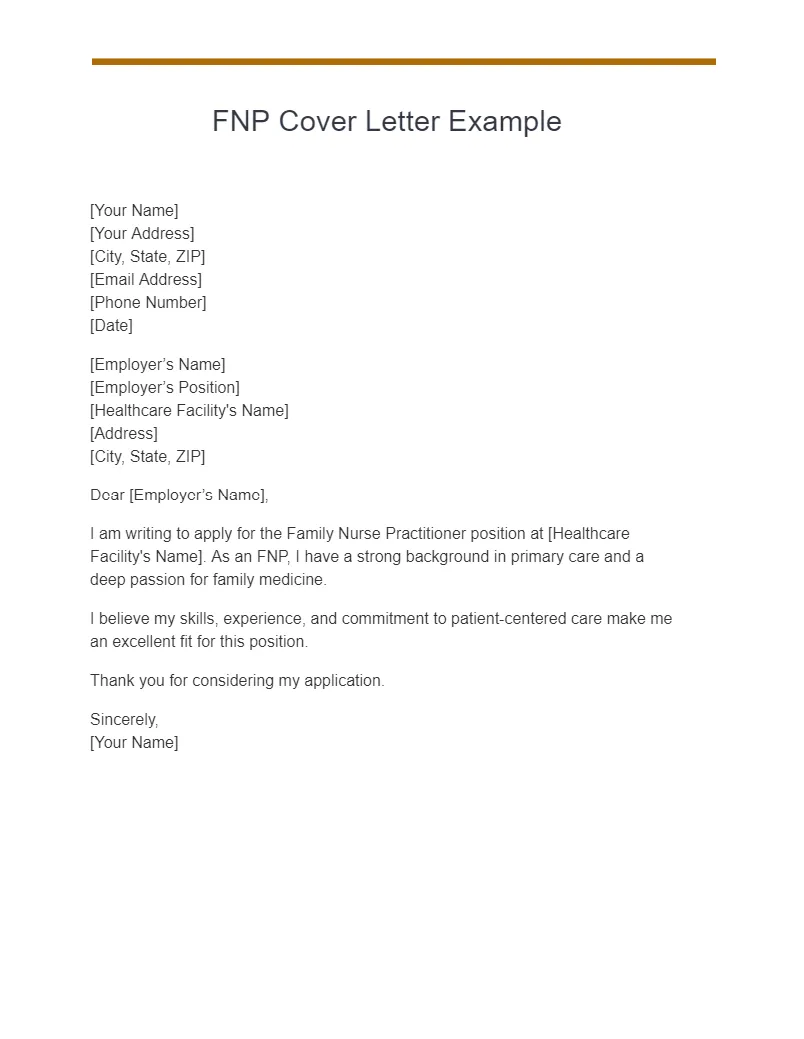
Begin your cover letter with a professional header that includes your full name, address, phone number, and email address. Ensure that your contact information is accurate and up-to-date, as this is how potential employers will reach you. Place this information at the top left or right corner of the page. Below your contact information, include the date and the recipient’s contact information (name, title, department, institution, and address). This demonstrates attention to detail and professionalism.
Professional Salutation
Use a professional salutation, such as “Dear Dr. [Last Name]” or “Dear Hiring Committee.” If you are unsure of the recipient’s name, you can use “Dear [Department Name] Hiring Committee” or “To Whom It May Concern.” Avoid generic salutations like “Dear Sir or Madam.” Research the program or institution to identify the appropriate contact person. Addressing the letter to a specific individual shows that you have taken the time to personalize your application. This initial step sets a professional tone and indicates your serious interest in the position.
Introduction
Start your introduction by clearly stating the specific FNP preceptor position you are applying for and where you found the opening. Briefly mention your years of experience as an FNP. Then, state your reason for applying and express your enthusiasm for the opportunity. This is your chance to grab the reader’s attention and make a strong first impression. Highlight your key skills or experiences that align with the role’s requirements. Convey your passion for teaching and mentoring, setting the stage for the rest of your letter. Your introduction should be concise, enthusiastic, and tailored to the specific program or institution.
Highlighting Relevant Experience and Qualifications

The main body of your cover letter should focus on showcasing your relevant experience and qualifications. Use specific examples to demonstrate your ability to fulfill the responsibilities of an FNP preceptor. Focus on experiences that directly relate to teaching, mentoring, and clinical practice. Quantify your achievements whenever possible, using metrics and data to provide concrete evidence of your skills and impact. Tailor this section to the specific requirements listed in the job description, aligning your experiences with their needs and priorities. This section is crucial for convincing the reader that you possess the necessary expertise and are the ideal candidate for the role. Always use a tone that is professional and concise, and highlight your strengths in relation to the requirements.
Clinical Experience
Detail your clinical experience, emphasizing your expertise in relevant areas of family medicine. Highlight the scope of your practice, the types of patients you have treated, and the specific procedures you have performed. Mention any specialized training or certifications you possess. Provide examples of how you have applied your clinical knowledge to patient care, including your diagnostic skills, treatment plans, and patient education efforts. Briefly describe your patient management skills and ability to work in a team-based healthcare setting. Demonstrate how your clinical experience prepares you to mentor students and provide valuable insights into real-world practice.
Teaching and Mentoring Experience
Describe any prior experience you have in teaching, mentoring, or supervising others. Highlight the types of activities you have been involved in, such as precepting students, giving presentations, or developing educational materials. Explain your teaching philosophy and the methods you use to facilitate learning. Provide specific examples of how you have supported the professional development of others. Mention any workshops or courses you have taken on teaching or mentorship. Illustrate your ability to provide constructive feedback, create a supportive learning environment, and inspire students to reach their full potential. Focus on your ability to guide, support, and nurture the growth of future FNPs.
Certifications and Licenses

List all relevant certifications, licenses, and any professional affiliations. Include your FNP certification and any other advanced practice certifications. Mention any continuing education courses you have completed to enhance your knowledge and skills. Specify the issuing organization and the dates of certification. If you hold any leadership positions or have received awards, be sure to mention those. This section demonstrates your commitment to staying current with the latest advancements in the field and your professional credibility. Make sure all certifications and licenses are up-to-date and relevant to the preceptor role.
Emphasizing Your Passion and Commitment
Show your passion for teaching and mentoring by expressing your dedication to student success. Explain why you are interested in becoming an FNP preceptor and what motivates you to contribute to the education of future healthcare professionals. Highlight your enthusiasm for sharing your knowledge and expertise. Illustrate how you plan to create a positive and supportive learning environment where students can thrive. Convey your desire to guide and inspire the next generation of FNPs. Your enthusiasm is crucial for making a lasting impression, conveying your commitment to education, and positioning you as a valuable asset to the program.
Stating Your Goals as a Preceptor
Clearly state your goals as an FNP preceptor. Describe what you hope to achieve by mentoring students. Mention specific skills you wish to help students develop, such as clinical reasoning, patient communication, or procedural skills. Discuss your teaching approach and how you plan to support students’ learning needs. Mention your commitment to fostering a positive and engaging learning environment. Show your commitment to helping students become competent, compassionate, and well-prepared FNPs. Your goals should align with the program’s objectives, demonstrating your understanding of the role and your dedication to student success.
Expressing Enthusiasm for the Opportunity

Conclude this section by reiterating your enthusiasm for the FNP preceptor role. Express your genuine interest in the opportunity. Mention what attracts you to the specific program or institution. Show your eagerness to contribute to the team and support the students’ educational journey. Ensure your enthusiasm shines through in your writing. Reiterate your commitment to the role, and thank the reader for their time and consideration.
Call to Action and Closing
End your cover letter with a clear call to action and a professional closing. Summarize your key qualifications and reiterate your interest in the position. Show appreciation for the reader’s time and consideration. Proofread your entire cover letter to ensure it is free of any errors in grammar, spelling, or punctuation. Your cover letter will conclude with your final message, leaving the reader with a positive impression.
Formal Closing
Use a formal closing such as “Sincerely,” “Best regards,” or “Respectfully.” Choose the closing that best fits your personality and the tone of your letter. Ensure the closing is followed by a comma. Use a professional closing to end the letter. The salutation and the closing of the letter create a professional image, and it shows respect and gratitude.
Contact Information and Availability

Provide your contact information again, including your phone number and email address. State your availability for an interview. This makes it easy for the recipient to reach you and schedule an interview. Express your eagerness to discuss your qualifications further. Include your contact details again to make it easier for the recipient to contact you. Mention your availability to attend an interview. This will demonstrate your availability and willingness to attend a meeting.