
Understanding the FDA 483 and Its Implications
The Food and Drug Administration (FDA) plays a critical role in ensuring the safety and efficacy of drugs, biologics, and medical devices. One of the key tools the FDA uses to monitor compliance with its regulations is the Form FDA 483, commonly known as the Inspectional Observations form. Receiving an FDA 483 is a significant event for any company regulated by the FDA. It signals that the agency has identified potential violations of the Food, Drug, and Cosmetic Act and related regulations during an inspection. Understanding the nature of the FDA 483 and its implications is the first and most crucial step in developing an effective response. Failing to address the observations properly can lead to serious consequences, including warning letters, import alerts, product seizures, and even legal action. Therefore, a well-crafted response cover letter is essential for demonstrating a commitment to compliance and resolving the issues identified by the FDA.
What is an FDA 483
An FDA 483 is a written list of observations made by the FDA inspector during an inspection of a facility. These observations, also known as inspectional observations, are not final determinations of violations. Instead, they represent the investigator’s observations of potential violations of the Food, Drug, and Cosmetic Act and related regulations, such as Good Manufacturing Practices (GMP) or Quality System Regulations (QSR). The FDA 483 is presented to the company at the conclusion of the inspection. It provides a summary of the observations made during the inspection. The observations are typically specific and detailed, including the specific regulation(s) violated, the specific product or process affected, and the date of the observation. The FDA 483 is a critical document that requires a thorough and timely response to avoid further action from the agency.
Consequences of Non-Compliance
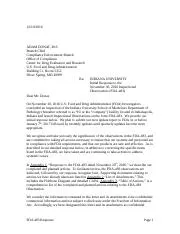
The implications of not adequately responding to an FDA 483 are considerable. The FDA has a range of enforcement actions available to address non-compliance, and the severity of the action depends on the nature and severity of the observations. At the less severe end of the spectrum, the FDA may issue a warning letter, which requires the company to take specific corrective actions to address the issues. More serious violations can lead to import alerts, which can block the import of products into the United States. Other consequences include product seizures, injunctions, and civil or criminal penalties. In severe cases, the FDA may even suspend or revoke the company’s approval to manufacture or market products. Therefore, a robust, well-supported response to an FDA 483 is crucial to minimizing the risk of these negative consequences and maintaining the company’s reputation and ability to operate in the market. Ignoring the observations, or providing a weak response, can be far more damaging than the initial findings of the inspection.
Key Components of an Effective FDA 483 Cover Letter
A well-written FDA 483 response cover letter is essential for demonstrating a company’s commitment to compliance and effectively addressing the observations made by the FDA. It should be clear, concise, and comprehensive. The cover letter serves as a formal communication between the company and the FDA, providing context and explanation for the corrective actions undertaken to address the observations. The response should be thoroughly documented, providing evidence that the company has taken appropriate steps to correct the issues and prevent their recurrence. A poorly written or incomplete response can be viewed unfavorably by the FDA and could lead to further regulatory action. Therefore, the cover letter and accompanying documentation should be prepared with meticulous care, following established best practices and industry standards.
Heading and Introduction
The cover letter should begin with a professional heading that includes the company’s name, address, and the date. It should clearly identify the document as a response to the FDA 483, including the inspection date and the specific FDA district office. The introduction should briefly acknowledge receipt of the FDA 483 and express the company’s commitment to addressing the observations. It should also state the company’s intention to provide a comprehensive response, detailing the corrective actions taken and the supporting documentation provided. This sets a positive tone and demonstrates the company’s proactive approach to resolving the issues identified during the inspection. The introduction should be concise, typically only a few sentences, setting the stage for the detailed responses that follow.
Acknowledgement of the FDA 483 Observations

The body of the cover letter should include a clear acknowledgement of each observation listed in the FDA 483. This demonstrates that the company has carefully reviewed the observations and understands the concerns raised by the FDA. The acknowledgment should be specific, referencing the observation number from the FDA 483. For example, “Regarding Observation 1, the company acknowledges the observation related to…”. Avoid generalized statements or vague references. The acknowledgement sets the foundation for the detailed responses that follow. This section also confirms that the company is taking the observations seriously and has a plan to address them. Even if the company disagrees with an observation, it is important to acknowledge it, and then provide a detailed explanation for the disagreement, supported by appropriate documentation.
Detailed Response to Each Observation
For each observation, provide a detailed response that clearly describes the corrective actions taken or planned to address the issues. This should include a description of the root cause of the problem, the steps taken to correct the immediate issue, and any actions taken to prevent recurrence. The response should be specific, providing detailed explanations and supporting evidence. The response should also include the date when the corrective actions were completed or are expected to be completed. If the company disagrees with an observation, provide a clear explanation of the basis for the disagreement, supported by scientific data, procedural evidence, or relevant regulatory interpretations. It is critical to be thorough in the responses, leaving no room for ambiguity or doubt about the company’s commitment to compliance.
Corrective and Preventative Actions (CAPA)
A critical component of the response to an FDA 483 is a detailed Corrective and Preventative Action (CAPA) plan. The CAPA plan outlines the specific actions the company will take to address the observations, prevent recurrence of the issues, and improve the overall quality system. The CAPA plan should include the root cause analysis, corrective actions, preventative actions, verification of effectiveness, and a timeline for implementation. The root cause analysis identifies the underlying cause of the problem, providing a basis for the corrective and preventative actions. The corrective actions address the immediate issue, while the preventative actions are designed to prevent recurrence. The CAPA plan should be detailed and comprehensive, demonstrating a commitment to continuous improvement and compliance. The FDA often scrutinizes the CAPA plan, so it must be well-documented and effectively implemented.
Supporting Documentation

The cover letter should reference and include all supporting documentation. This documentation is crucial for substantiating the company’s claims and demonstrating the effectiveness of the corrective actions. Supporting documentation may include revised standard operating procedures (SOPs), training records, validation data, audit reports, and other relevant documents. The cover letter should clearly identify the specific documents included in the response and how they relate to each observation. The documentation should be well-organized, easy to understand, and clearly linked to the observations and the corrective actions taken. Including comprehensive supporting documentation is essential for demonstrating the company’s commitment to compliance and providing the FDA with the evidence it needs to assess the effectiveness of the corrective actions.
Concluding Remarks and Contact Information
The concluding remarks should reiterate the company’s commitment to compliance and its dedication to resolving the issues identified in the FDA 483. Express gratitude to the FDA for the opportunity to respond. Provide contact information for the individual(s) responsible for the response and for any follow-up questions the FDA may have. This ensures that the FDA has a point of contact for any further communication. The conclusion should be concise and professional, reinforcing the company’s positive attitude and willingness to cooperate with the FDA. Including a sincere closing statement and contact details reinforces the company’s commitment to quality and compliance.
Step-by-Step Guide to Writing Your Cover Letter
Writing an effective FDA 483 response cover letter requires a systematic approach. Following a step-by-step process can help ensure that all aspects of the observations are addressed thoroughly and effectively. The steps described below provide a roadmap for creating a strong and compliant response, reducing the risk of further regulatory action. Each step is designed to contribute to the overall effectiveness of the response and strengthen the company’s relationship with the FDA. Remember to maintain a professional tone and provide accurate information throughout the process. A well-executed step-by-step plan builds confidence and assures compliance.
Gathering Information and Observations

The first step is to carefully review the FDA 483 and gather all relevant information. This includes the inspection report, any associated documents, and the observations made by the inspector. Identify the specific observations, noting the regulatory citations and the issues identified. Assemble all the relevant documentation, including SOPs, training records, and any other materials related to the observations. Involve the appropriate personnel from different departments, such as quality control, manufacturing, and regulatory affairs, to gather information. Thoroughly understand each observation and identify the root cause of the issue. This initial gathering of information is crucial. Failure to do so can lead to incomplete or inaccurate responses.
Drafting the Cover Letter
Begin drafting the cover letter, following the format and key components outlined. Start with the heading and introduction, followed by the acknowledgement of the observations. Allocate sufficient time for each response. Ensure the tone is professional, and the language is clear and concise. Clearly state each observation, providing a comprehensive explanation. Document the corrective actions taken and those planned to prevent recurrence. The initial draft is a starting point for gathering essential information. After the first draft is complete, you will be able to focus on improvements.
Addressing Each Observation
For each observation, provide a detailed response. This should include the following elements: A restatement of the observation, the root cause of the issue, the corrective actions taken (or planned), the preventative actions implemented, a timeline for completion (if applicable), and the supporting documentation. Be as specific as possible and provide sufficient detail to demonstrate that the issue has been resolved. Each response should address the specifics of the observation and should leave no ambiguity. When explaining the actions taken, always make it clear how they address the issues raised in the FDA 483. Include all documentation that supports the actions and conclusions.
Developing CAPA Plans

Develop a robust CAPA plan for each observation, outlining the steps taken to correct the issue and prevent its recurrence. The CAPA plan should be a detailed, documented, and well-organized plan. Include a description of the root cause analysis, corrective actions, preventative actions, and verification of effectiveness. The plan should also include a timeline for implementing the CAPA plan and a responsible person for each activity. The CAPA plan is a key part of a successful response. The FDA will review the CAPA plan thoroughly, looking for evidence of a thorough investigation. A well-documented CAPA plan demonstrates the company’s commitment to preventing future problems.
Review and Finalization
Once the cover letter and all supporting documentation have been drafted, conduct a thorough review. Ensure that all observations have been addressed and that the responses are clear, concise, and complete. Confirm that all supporting documentation is accurate, organized, and properly referenced. Have the cover letter and all supporting documentation reviewed by multiple individuals, including representatives from quality assurance, regulatory affairs, and senior management. Address all feedback and make the necessary revisions. Proofread the document carefully for any errors in grammar, spelling, or punctuation. The final review stage is a critical step. Getting multiple perspectives will greatly improve the quality of the response. A thorough review can help ensure compliance and avoid potential issues. After making the final revisions, the cover letter and all attachments are ready for submission.
Formatting and Submission Best Practices
Proper formatting and submission methods are essential for ensuring that the FDA receives the cover letter and supporting documentation in a timely and efficient manner. Following these guidelines can help to avoid delays and ensure that the FDA can easily review the response. Adhering to these best practices demonstrates professionalism and a commitment to compliance. The FDA has guidelines for submission, and following them can increase the chances of a successful outcome. Failing to follow these guidelines could lead to delays or rejection of the response.
Formatting Guidelines

The cover letter and supporting documentation should be formatted in a professional and easy-to-read manner. Use a standard font, such as Arial or Times New Roman, in a readable size. Ensure that the document is well-organized, with clear headings, subheadings, and numbering. Include page numbers and clearly label all attachments. Use high-quality paper and printing for physical submissions. When submitting electronically, use a compatible file format, such as PDF. Ensure that all documents are clearly legible and easy to navigate. Adhering to formatting guidelines makes the document easier to read. Proper formatting is essential to facilitate review of the response.
Submission Methods
The FDA generally accepts submissions via email or postal mail. Always confirm the preferred method of submission with the FDA district office that conducted the inspection. If submitting electronically, follow any specific instructions provided by the FDA. Include all attachments as separate files and ensure that the files are properly labeled. If submitting by postal mail, send the cover letter and supporting documentation via certified mail, return receipt requested, to document the delivery date. Always retain copies of the cover letter and all supporting documentation for your records. Follow the FDA’s directions regarding submission. Following these guidelines can minimize the risk of delays.
Common Mistakes to Avoid
Several common mistakes can undermine the effectiveness of an FDA 483 response. Being aware of these mistakes can help prevent them. Avoiding these errors is a crucial part of writing a successful cover letter. These mistakes may negatively affect the outcome, potentially leading to further regulatory action from the FDA. By avoiding these pitfalls, you can increase your chances of a favorable outcome. The most common mistakes include ignoring observations, providing vague responses, and lack of supporting documentation.
Ignoring the Observations

Ignoring any of the observations in the FDA 483 is a major mistake. Even if the company disagrees with an observation, it must be addressed. Provide a detailed response, explaining the company’s position and providing supporting documentation. Failure to address an observation can lead to further regulatory action. The FDA expects companies to address all observations. Failure to address observations conveys a lack of concern about regulatory compliance. All observations in the FDA 483 should be addressed, even if you are in disagreement with the observation.
Providing Vague Responses
Providing vague or generic responses is another common mistake. Avoid making statements that are not supported by evidence. Provide detailed explanations of the corrective actions taken or planned, the root cause analysis, and the preventative actions. The FDA requires specific actions. Vague statements suggest that the company has not fully addressed the issues. Be specific and provide all relevant information, including dates, names, and procedures. The more detailed the responses are, the more likely the FDA is to be satisfied with the outcome.
Lack of Supporting Documentation
Another common mistake is the lack of supporting documentation. Ensure that the cover letter includes all relevant documentation. This should include SOPs, training records, validation data, audit reports, and any other documents that support the company’s claims. The lack of documentation can undermine the credibility of the response. Include all available supporting documentation. Without supporting documentation, the FDA might question the validity of the claims made in the cover letter. Supporting documentation strengthens the response. Ensure the supporting documentation is complete and accurate.
Best Practices for a Successful FDA 483 Response
To increase the chances of a successful FDA 483 response, adhere to the best practices. These best practices are based on the accumulated experience of regulatory professionals and the FDA’s expectations. By incorporating these strategies, companies can demonstrate their commitment to compliance. Following these best practices can help ensure a positive outcome. Demonstrating a commitment to compliance and quality can prevent further enforcement actions. These best practices can also lead to a stronger relationship with the FDA. Preparing a strong response to the FDA 483 inspection is a critical element of compliance.