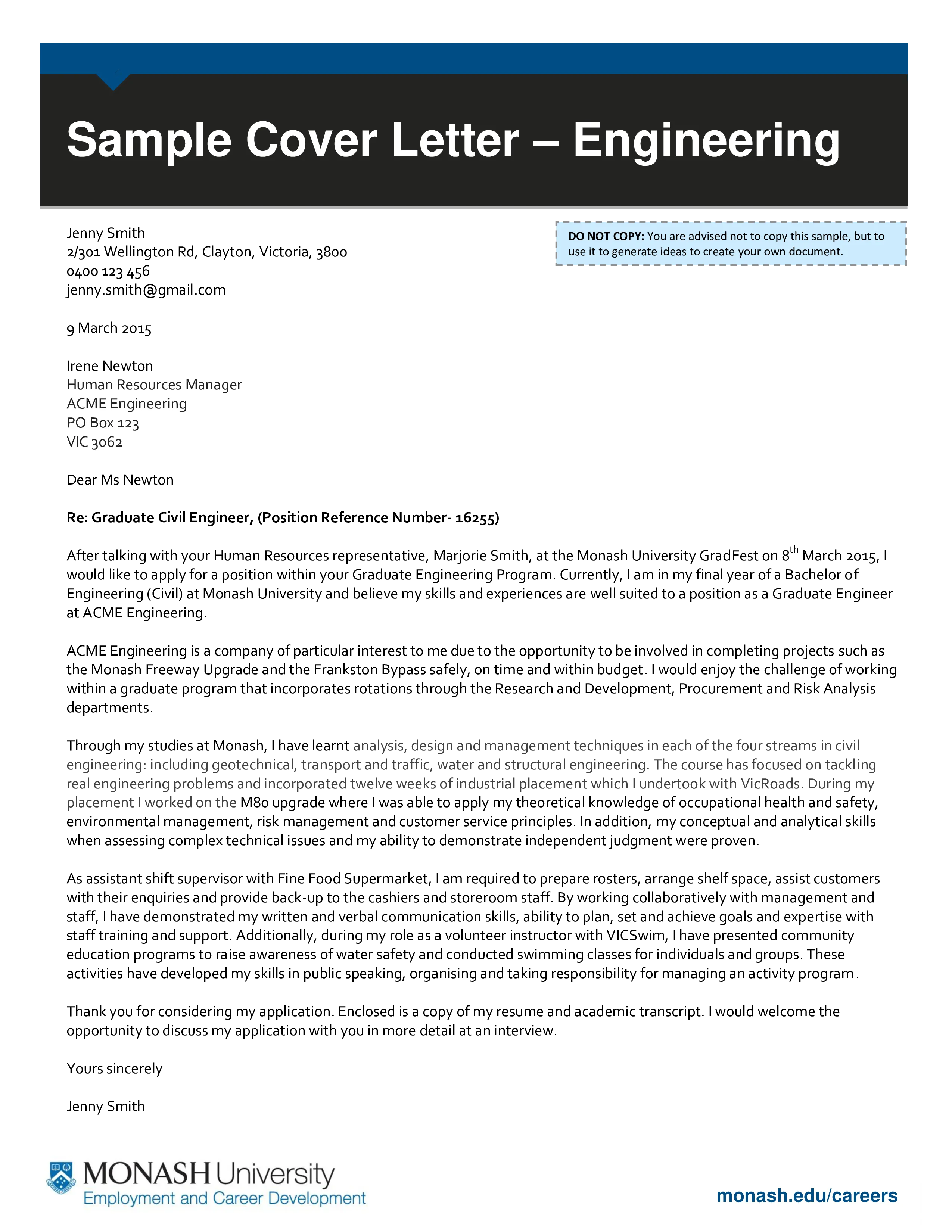
Understanding the Importance of an Engineer Cover Letter
In the competitive world of engineering, a well-crafted cover letter is your first opportunity to make a lasting impression. More than just a formality, it’s a crucial tool that allows you to showcase your skills, experience, and passion for the specific role and company you’re applying for. It’s your chance to tell a story, highlighting how your unique qualifications align with the employer’s needs and why you’re the ideal candidate. A strong cover letter can significantly increase your chances of getting an interview by setting you apart from other applicants, even those with similar qualifications. This introductory text sets the stage for understanding why cover letters are so vital and how to craft one effectively.
Why Cover Letters Matter for Engineers
For engineers, cover letters are particularly important because they offer a space to demonstrate how you think and communicate. Unlike a resume, which is a factual summary, the cover letter allows you to elaborate on your problem-solving skills, project experiences, and technical expertise in a narrative format. It provides context, allowing you to explain the ‘why’ behind your skills and achievements. Recruiters and hiring managers often look for candidates who can articulate their thoughts clearly and concisely, and the cover letter is a prime example of this. Furthermore, it’s an opportunity to showcase your personality, enthusiasm, and genuine interest in the role and the company, making you more than just a list of qualifications on paper. Consider your cover letter as an engineering project proposal, designed to convince the client (the hiring manager) that you have the best solution (you) for their problem (the job opening).
Key Components of a Strong Engineer Cover Letter

A strong engineer cover letter should be concise, targeted, and tailored to the specific job. Begin with a professional greeting, addressing the hiring manager by name whenever possible. In the opening paragraph, state the position you are applying for and briefly mention where you saw the job posting. The body of the letter should highlight your most relevant skills and experiences, emphasizing accomplishments that align with the job requirements. Use quantifiable results whenever possible to demonstrate the impact of your work (e.g., “Reduced project costs by 15%”). Explain why you are interested in the company and the specific role, showing that you have researched both. Conclude with a call to action, expressing your enthusiasm for the opportunity and your availability for an interview. Finally, proofread carefully and ensure the formatting is professional and easy to read.
Types of Engineer Cover Letter Samples
Cover letters for engineers vary greatly depending on the field and experience level. Entry-level engineers, for example, will focus on their education, relevant coursework, and any internship or project experience. Experienced engineers will highlight their significant accomplishments, leadership roles, and technical expertise. We’ll explore specific examples for different engineering disciplines, showcasing how to tailor your letter to the demands of each field. The samples will include examples for mechanical, software, and civil engineers. Adapting these samples to your specific situation is crucial; remember to replace generic descriptions with your unique skills and experiences. This section will provide valuable insights into crafting a cover letter that effectively communicates your qualifications to potential employers.
Sample 1 Entry-Level Engineer Cover Letter
An entry-level engineer cover letter should emphasize education, coursework, and any projects undertaken during your studies. Highlight any internships or part-time engineering roles you’ve held, focusing on the skills you developed and the responsibilities you took on. If you have relevant project experience, such as a senior design project, describe your role, the challenges you faced, and the results you achieved. This sample can also include volunteer work or extracurricular activities that showcase your skills, such as teamwork and leadership. The tone should be enthusiastic and demonstrate your eagerness to learn and contribute to the company. Focus on what you can bring to the role, even without extensive experience.
Highlighting Skills and Education

In your entry-level cover letter, prominently feature your academic background, emphasizing your degree, major, and any relevant coursework or specializations. List any software, tools, or technologies you’re proficient in, aligning these skills with the job requirements. For example, if the job requires CAD skills, mention your proficiency with software like AutoCAD or SolidWorks. Briefly describe any projects or assignments that demonstrate your ability to apply your knowledge to real-world problems. Include any academic honors or awards you received, as they reflect your dedication and achievements. Demonstrate your understanding of foundational engineering principles and any relevant industry standards.
Emphasizing Enthusiasm and Fit
Convey your enthusiasm for the engineering field and your eagerness to learn and grow within the company. Research the company and express your interest in their specific projects or products, demonstrating that you are not just applying for a job, but actively seeking a career with that organization. Explain why you are drawn to the company’s values, culture, or mission. Show that you have considered the role and what you can bring to the table, rather than just listing your skills. Frame your qualifications in a way that matches the company’s and role’s needs. Highlight how your career goals align with the company’s objectives and express your long-term aspirations to grow within the team.
Sample 2 Experienced Engineer Cover Letter
An experienced engineer’s cover letter should focus on demonstrating a track record of success, quantifying achievements, and showcasing leadership abilities. Highlight significant projects you’ve led or contributed to, emphasizing the outcomes and results you achieved. Showcase your technical expertise, mentioning specific technologies, tools, and methodologies you’ve used. The cover letter must reflect your ability to manage projects, mentor junior engineers, and make impactful contributions. Focus on how you have improved processes, reduced costs, or enhanced efficiency. Your cover letter will highlight your ability to solve complex engineering challenges and your capacity for innovation. The most important thing to do is demonstrate a strong return on investment for the company.
Showcasing Achievements and Projects

Quantify your achievements with data and metrics whenever possible. Instead of stating that you “improved efficiency”, indicate by how much (e.g., “Increased production efficiency by 20%”). Describe complex projects, including your role, the challenges you overcame, and the solutions you implemented. Emphasize your experience in designing, developing, and implementing engineering solutions. Highlight any awards, patents, or publications you’ve received, which demonstrate recognition of your expertise. Show your contributions in terms of cost savings, improved product performance, or enhanced safety standards. Make sure that each point is clearly defined and results-driven.
Quantifying Results and Impact
Use numbers to illustrate your impact. For instance, instead of saying you “managed a team,” mention how many engineers you managed, the size of projects you oversaw, or the budget you handled. Provide examples of how you have reduced costs, improved product performance, or increased efficiency. Make sure to provide a sense of value for all of your project achievements. Quantify the benefits your work has brought to previous employers or projects. This could include metrics such as cost savings, revenue generated, or customer satisfaction scores. These figures will clearly demonstrate your value and the contributions you can make to the prospective company.
Sample 3 Mechanical Engineer Cover Letter
A mechanical engineer’s cover letter should demonstrate a strong understanding of mechanical systems, design principles, and manufacturing processes. Highlight your experience with specific software like SolidWorks, AutoCAD, or ANSYS. Emphasize your ability to design, analyze, and optimize mechanical components and systems. The cover letter should showcase experience in areas such as product development, manufacturing, or HVAC systems. Any experience with project management, team leadership, or collaboration on multidisciplinary projects should be highlighted as well. Show you can use mechanical engineering principles to solve real-world challenges and provide innovative solutions. The goal is to present yourself as someone ready to contribute immediately and effectively.
Focusing on Technical Expertise

Highlight your expertise in designing, analyzing, and testing mechanical components, systems, or products. Mention any specific software, tools, or equipment you’re proficient with, such as CAD software, FEA tools, or CNC machines. Mention experience with manufacturing processes, materials science, or thermodynamics. Showcase your experience with industry standards. Emphasize projects where you utilized these skills to solve complex mechanical engineering challenges. Focus on the ability to translate engineering concepts into tangible solutions, and demonstrate your adaptability and willingness to work with different types of mechanical systems.
Demonstrating Problem-Solving Abilities
Provide examples of how you have identified and solved mechanical engineering problems. Describe the challenges you faced, the solutions you implemented, and the results you achieved. Highlight your ability to troubleshoot issues, analyze data, and optimize designs for performance, efficiency, and cost-effectiveness. Include specific projects that demonstrate your ability to work through engineering problems. Your cover letter should illustrate your systematic approach to problem-solving, emphasizing your ability to apply your technical knowledge in practical situations.
Sample 4 Software Engineer Cover Letter
A software engineer cover letter should highlight your programming skills, experience with specific languages and technologies, and your project portfolio. Mention languages you’re proficient in (e.g., Java, Python, C++) and any frameworks or tools you’ve worked with (e.g., React, Angular, AWS). Describe your software development experience, including any relevant projects, internships, or previous positions. Any experience with software design, testing, and deployment, as well as your ability to work in agile development environments, should be mentioned. Emphasize how you’ve applied your skills to solve problems, develop innovative solutions, and deliver high-quality software products.
Highlighting Coding Proficiency and Projects

Showcase your proficiency in programming languages, frameworks, and tools relevant to the job. Highlight projects that demonstrate your coding abilities, including descriptions of your role, the technologies used, and the outcomes achieved. Include links to your GitHub profile, personal website, or online portfolios to showcase your work. Detail the software engineering principles you applied in your projects, such as object-oriented programming, software design patterns, and testing methodologies. Demonstrate your passion for coding and your commitment to producing high-quality, maintainable code.
Demonstrating a Passion for Technology
Express your enthusiasm for technology and your desire to contribute to the company’s software development projects. Show your interest in the specific technologies and projects the company is working on. Highlight your continuous learning and your commitment to staying up-to-date with the latest industry trends. Demonstrate that you are eager to learn new technologies and contribute to the company’s innovative solutions. Share your personal projects, contributions to open-source projects, or any other initiatives that highlight your passion for software engineering.
Sample 5 Civil Engineer Cover Letter
A civil engineer cover letter should showcase your knowledge of civil engineering principles, design skills, project management abilities, and your experience with industry regulations and standards. Highlight your experience with various civil engineering projects, such as infrastructure development, structural design, or environmental engineering. Any experience with project management, team leadership, and collaboration should be emphasized. Mention your familiarity with relevant software tools and your ability to ensure projects meet safety and regulatory standards. Highlight your ability to deliver projects on time and within budget, while maintaining the highest standards of quality and safety.
Emphasizing Project Management and Design Skills

Describe your experience with project management, including planning, budgeting, and overseeing civil engineering projects. Mention your design skills, including experience with structural design, site development, or transportation engineering. Showcase your ability to use software such as AutoCAD, Civil 3D, or other relevant tools. Highlight your experience with collaborating with teams, managing stakeholders, and ensuring projects meet deadlines and quality standards. Emphasize your ability to ensure projects comply with all relevant codes, regulations, and safety standards.
Showcasing Knowledge of Regulations and Standards
Demonstrate your knowledge of industry regulations, codes, and standards, such as those set by OSHA, AASHTO, or local authorities. Highlight your experience with ensuring project compliance with relevant regulations. Mention any certifications you hold, such as a Professional Engineer (PE) license. Detail your commitment to safety and your ability to manage risk on civil engineering projects. Your cover letter must highlight your ability to ensure projects meet all safety and regulatory requirements.
Tips for Tailoring Your Engineer Cover Letter
Creating a successful engineer cover letter requires careful attention to detail and customization. Tailoring the cover letter involves adapting the content to the specific job and company. Avoid using a generic cover letter template and instead, focus on highlighting your relevant skills and experiences. Make sure that the content clearly reflects the requirements outlined in the job description. By tailoring your cover letter, you demonstrate that you understand the role and the company’s needs. This section offers practical tips for personalizing your cover letter, increasing your chances of securing an interview.
Researching the Company and Role
Thoroughly research the company and the specific role you are applying for. Understand their mission, values, and the types of projects they are working on. Identify the key requirements and qualifications mentioned in the job description. Visit the company website and read their “About Us” section. Check their social media profiles and recent press releases to stay up-to-date on the company’s activities. Understand the company’s culture and adapt your tone to match. Show that you have a genuine interest in the company and its projects by demonstrating your knowledge and understanding of the role. This demonstrates that you are serious about the opportunity and are an informed candidate.
Personalizing Your Letter
Personalize your cover letter to reflect your unique skills and experiences. Don’t just list your qualifications; provide specific examples of how you have used your skills to achieve results. Use keywords from the job description to show that you understand the requirements of the role. Highlight your achievements and quantify your accomplishments whenever possible. Tailor your tone to align with the company culture. Show that you understand the specific needs of the company and how you can contribute to their success. Demonstrate your value and align your skills with the job’s specific requirements to increase the likelihood of being chosen.
Proofreading and Editing
Proofreading and editing are essential to ensure your cover letter is free from errors. Check for grammar, spelling, and punctuation errors. Ensure your letter is well-organized and easy to read. Have someone else review your cover letter to catch any errors you might have missed. Pay close attention to the formatting and ensure it is professional and consistent throughout. A polished and error-free cover letter will help you make a positive impression and demonstrate your attention to detail. Correcting any typos or formatting issues can make the difference in whether you are invited to interview or not. It shows that you care enough to get it right.
Conclusion Crafting a Compelling Engineer Cover Letter
Crafting a compelling engineer cover letter requires careful planning, tailoring, and attention to detail. This guide provides essential information, including best practices, tips, and multiple samples for various engineering fields. By understanding the importance of a cover letter and customizing it to your target role and company, you can significantly increase your chances of getting hired. Your cover letter is your first chance to make a great impression. Remember to highlight your skills, experience, and passion for the engineering field. Proofread it carefully and get feedback. Take your time and make it perfect! Following these guidelines and examples will help you create a cover letter that effectively showcases your qualifications and helps you land your dream engineering job.