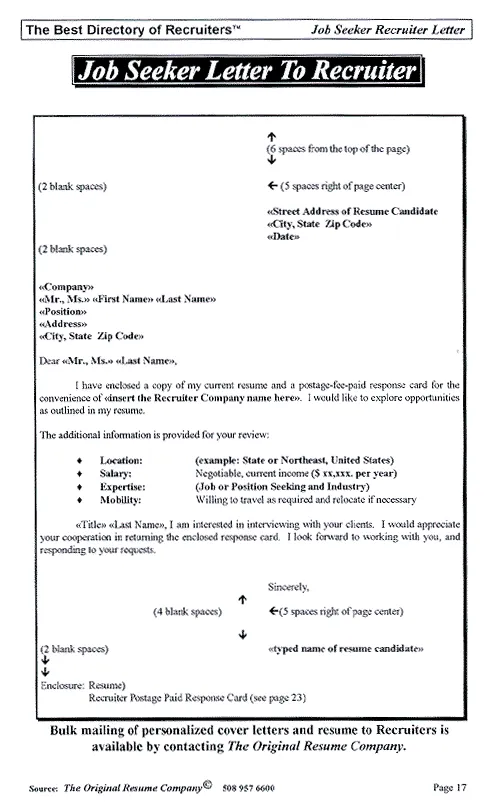
Employment Cover Letter Top 5 Tips
A cover letter is your first chance to make a positive impression on a potential employer. It serves as an introduction, a summary of your skills and experiences, and a way to express your interest in a specific position. While your resume provides the ‘what,’ the cover letter offers the ‘why’ - why you’re the perfect fit for the job and why you’re excited about the opportunity. A well-crafted cover letter can significantly increase your chances of getting an interview, making it a crucial component of your job application package. Follow these top 5 tips to create a compelling employment cover letter that grabs attention and gets you noticed. The cover letter is your opportunity to sell yourself, demonstrate your understanding of the role, and highlight your unique value proposition.
Highlight Your Key Skills
Your cover letter should showcase the skills most relevant to the job you’re applying for. Carefully review the job description and identify the key skills and qualifications the employer is seeking. Then, in your letter, provide specific examples of how you’ve demonstrated these skills in previous roles or projects. Instead of simply listing your skills, provide context by describing a situation, the action you took, and the positive result. For instance, instead of writing “Proficient in project management,” you might write, “Successfully managed a cross-functional team of 10 members to deliver a project on time and under budget, resulting in a 15% increase in efficiency.” This approach makes your skills more tangible and demonstrates your ability to deliver results. Remember to align your skills with the job requirements, emphasizing what makes you a strong candidate for this specific position.
Tailor Your Letter To The Job

One of the biggest mistakes job seekers make is using a generic cover letter for every application. Tailoring your cover letter to each job is essential. This means more than just changing the company name; it involves customizing the content to match the specific requirements and expectations outlined in the job description. Start by analyzing the job posting carefully. Identify the key responsibilities, skills, and qualifications. Then, in your letter, address these points directly. Explain how your experience and skills align with what the employer is looking for. Show, don’t just tell. For example, if the job requires experience with a particular software, provide a specific example of how you used that software to achieve a positive outcome. Customizing your letter demonstrates that you’ve taken the time to understand the role and are genuinely interested in the opportunity. This personalized approach shows that you are not just sending out a mass application but that you are truly interested in the specific company and role.
Research the Company and Address the Hiring Manager
Demonstrate your interest in the company by researching its mission, values, and recent news. Show that you understand the company’s goals and how your skills can contribute to its success. Address the hiring manager by name whenever possible. This small detail personalizes your letter and shows that you’ve taken the time to find out who will be reading your application. You can typically find the hiring manager’s name on the company website, LinkedIn, or the job posting itself. If you’re unable to find a specific name, use a professional greeting such as “Dear Hiring Manager.” Make sure that your research extends beyond the company’s general information. Look into their recent projects, accomplishments, and any challenges they might be facing. This information will not only help you tailor your cover letter but also provide talking points if you get an interview. Showing that you have a good understanding of the company will help you stand out from other applicants.
Showcase Your Enthusiasm and Passion
Employers want to hire individuals who are genuinely enthusiastic about the opportunity. Let your passion shine through in your cover letter. Express your excitement about the role, the company, and the potential contributions you can make. Avoid generic statements like “I am very interested in this position.” Instead, convey your enthusiasm by describing specific aspects of the role or company that appeal to you. Share your understanding of their mission and how you align with it. For example, “I am particularly drawn to [Company’s] commitment to [Company’s Mission]. My experience in [related field] aligns perfectly with your goal to [company goal], and I am excited about the opportunity to contribute.” Your cover letter is an opportunity to show your personality and convey your genuine interest in the position. The tone of the letter should be professional yet authentic, reflecting your personality and enthusiasm for the opportunity.
Proofread and Edit

Typos, grammatical errors, and poor formatting can undermine even the most impressive cover letter. Proofreading and editing are critical steps in ensuring that your letter presents you in the best possible light. Carefully review your cover letter for any errors in grammar, spelling, punctuation, and sentence structure. Read your letter aloud to catch any awkward phrasing or unclear sentences. Consider having a friend, family member, or career counselor review your letter for a fresh perspective. They may catch mistakes you missed. Check to make sure your contact information is correct, and your formatting is consistent. Proofreading is essential to make sure your application demonstrates attention to detail and professionalism. A well-edited cover letter shows that you take the time to do things right, which will impress hiring managers.
Formatting your cover letter
Font and size
The font and font size you choose significantly impacts the readability and visual appeal of your cover letter. Select a font that is easy to read and professional, such as Times New Roman, Arial, Calibri, or Georgia. Avoid using overly decorative or unusual fonts, which can distract the reader. The standard font size for a cover letter is typically 11 or 12 points. The font size should be consistent throughout the document, except for your name and contact information, which may be slightly larger. The most important thing is to choose a font and size that is easy on the eyes and presents a polished image of your abilities.
Margins and spacing

Proper margins and spacing are essential for creating a clean and organized cover letter. Use standard 1-inch margins on all sides of the document. This provides adequate space around the text, making it easier to read. Use single spacing within paragraphs and double spacing between paragraphs. This helps to visually separate the ideas and makes the text more digestible. Ensure consistent spacing throughout the entire letter. Avoid any extra space that could disrupt the flow. A well-formatted cover letter demonstrates your attention to detail and professionalism.
Paragraph length
Keep your paragraphs concise and focused. Avoid overly long paragraphs that can be overwhelming for the reader. Aim for paragraphs that are no more than 5-7 sentences long. This helps to break up the text and make it easier to read. Each paragraph should focus on a single idea or concept, making sure the information is easy to digest. Use short sentences, and get straight to the point. The reader should be able to quickly grasp the main points of each section of your letter. A cover letter must be clear, direct, and well-organized to make the strongest impression.
What Not to Include
Salary expectations

Unless the job posting specifically requests your salary expectations, it’s generally best to avoid including this information in your cover letter. Salary is usually discussed later in the interview process when both parties have a better understanding of the role and the value you bring. If you are asked for your salary expectations, it is appropriate to provide a salary range. Providing this range can help you stay flexible and keep the conversation going. Refrain from discussing salary until requested, keeping the focus on your qualifications and the benefits you bring to the company.
Negative information
Your cover letter should be a positive and upbeat presentation of your skills and experiences. Avoid including any negative information, such as reasons for leaving a previous job or any complaints about past employers or coworkers. Your cover letter should focus on what you can bring to the new role. Discussing negative experiences can create a bad impression and distract from your strengths. Instead, focus on highlighting your positive qualities, skills, and achievements. This will provide a better impact and make the hiring manager want to learn more about you.
Irrelevant details
Focus your cover letter on the skills and experiences most relevant to the job you are applying for. Avoid including irrelevant details or information that does not directly support your qualifications. This includes personal details, unrelated hobbies, or information about previous jobs that are not relevant to the position. The goal is to present a clear and concise overview of your qualifications. Only provide information that helps you stand out as a good candidate. Make sure that everything you include supports your application and highlights your relevant skills and experience.
Conclusion

A well-crafted cover letter can significantly increase your chances of landing an interview and ultimately getting the job. Remember to highlight your key skills, tailor your letter to each job, research the company, and express your enthusiasm. Proofread carefully and pay attention to formatting. Following these tips will help you create a cover letter that grabs attention and makes a strong first impression. Your cover letter is a reflection of your professionalism, attention to detail, and communication skills. Good luck with your job search!