Crafting the Perfect Subject Line
The subject line is the first thing a hiring manager sees, making it critical for grabbing their attention. A clear, concise, and professional subject line increases the likelihood of your email being opened. Avoid generic phrases like ‘Resume’ or ‘Job Application’. Instead, personalize it to the specific job and company. Include the job title and your name to help recruiters quickly identify the position you’re applying for. For instance, “[Your Name] - Application for Marketing Manager Position” is much more effective. Also, if you’re responding to a specific job posting, ensure the job reference number is included to streamline the process. Consider adding a subtle, attention-grabbing element, such as “Application – [Your Name] – Passionate Marketing Professional”, to make your email stand out from the dozens of others in the inbox. This initial impression can set the tone for the rest of your application and significantly influence whether your email gets read or overlooked.
Highlighting Your Key Skills and Achievements
Your email body serves as a brief introduction to your resume, offering you a valuable opportunity to highlight your most relevant skills and accomplishments. Don’t simply restate your resume; instead, provide a concise summary of your key qualifications that directly align with the job requirements. Start by mentioning the specific position you’re applying for and where you saw the job posting. Then, showcase one or two of your most significant achievements that demonstrate your ability to excel in the role. Quantify your achievements whenever possible, using numbers and data to illustrate your impact. For instance, “Increased sales by 15% in Q4 through innovative marketing strategies.” Keep your email brief and to the point, focusing on the most compelling aspects of your candidacy. This approach helps the hiring manager quickly understand why you’re a strong fit for the position and encourages them to read your attached resume for more details.
Formatting Your Resume and Cover Letter

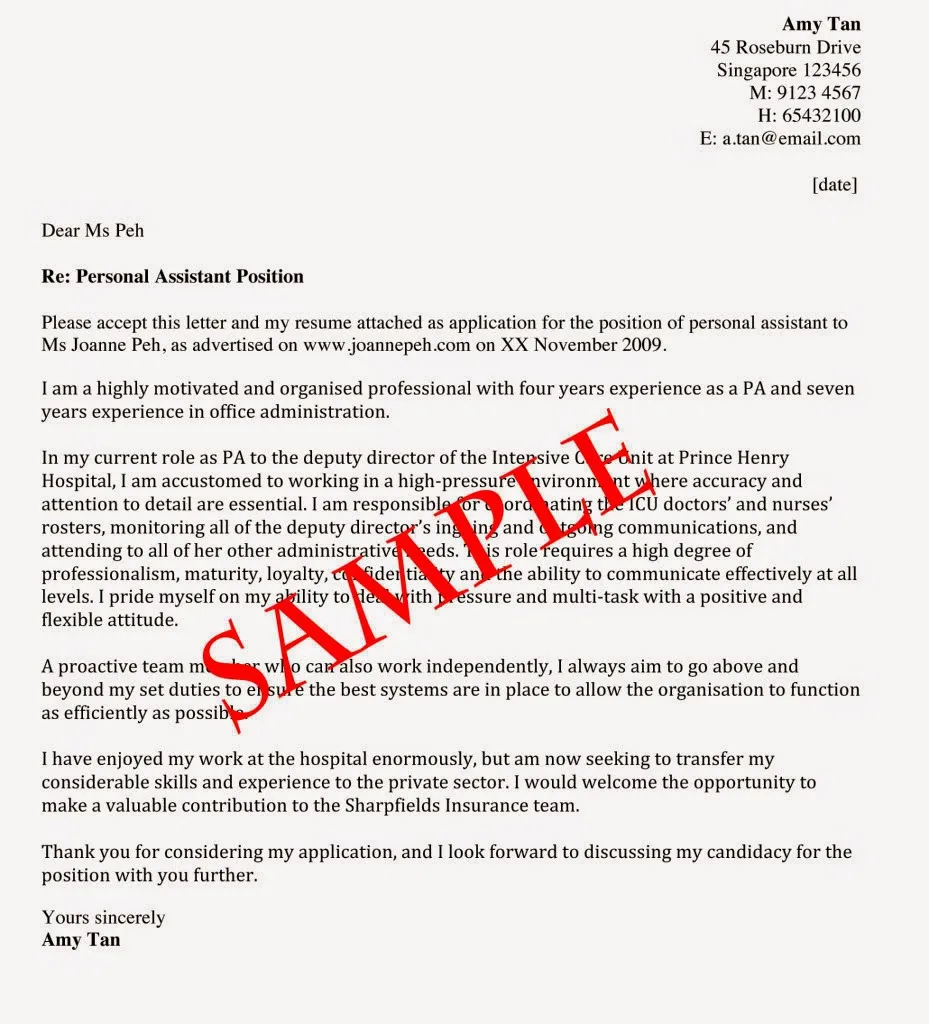
Professional formatting is essential when emailing your resume and cover letter, as it reflects your attention to detail and professionalism. Use a clean, easy-to-read font such as Arial, Calibri, or Times New Roman, with a font size between 10 and 12 points. Ensure consistent formatting throughout both documents, including headings, bullet points, and spacing. Avoid using excessive colors, graphics, or elaborate designs that can be distracting or cause formatting issues when viewed on different devices. A well-formatted resume should have clear sections with distinct headings for your contact information, professional experience, education, and skills. Your cover letter should follow a standard business letter format, with a formal greeting, a concise body that highlights your qualifications, and a professional closing. Proper formatting ensures that your documents are easy to read and make a positive impression on the hiring manager, demonstrating your commitment to presenting yourself in the best possible light.
Choosing the Right File Format
The file format you choose for your resume and cover letter can significantly impact how your application is viewed. The recommended and most widely compatible format is PDF (Portable Document Format). PDFs preserve the formatting of your documents regardless of the recipient’s operating system or software. This ensures that your resume and cover letter appear exactly as you intended, preventing any potential layout issues. Avoid sending documents in formats like Microsoft Word (.doc or .docx) unless specifically requested by the employer, as these can sometimes cause formatting problems. Always double-check that the file name is clear and professional, including your name and the document type, such as “Your Name - Resume.pdf” or “Your Name - Cover Letter.pdf.” This helps the recruiter easily identify and organize your application materials. Moreover, PDFs are generally more secure, reducing the risk of accidental edits or unauthorized changes to your documents. This choice showcases your attention to detail and professionalism, making your application more appealing.
Personalizing Your Email for Each Application
Personalizing your email for each job application is a crucial step in demonstrating your genuine interest and suitability for the role. Avoid sending generic emails, as they signal a lack of effort and can decrease your chances of getting noticed. Instead, tailor your email to the specific job description and company. Research the company’s mission, values, and recent projects to show that you understand their business. In your email, mention the specific job title and highlight how your skills and experiences align with the requirements. Refer to specific aspects of the job description and explain why you are particularly interested in the position and the company. This personalization could involve mentioning a specific project you admired, a value you share, or a way you can contribute to their goals. Also, customizing the subject line helps the recruiter see that you’ve taken the time to understand their needs. This demonstrates a proactive approach and significantly increases your chances of making a positive impression, setting you apart from applicants who send out the same generic message to multiple companies.
Proofreading and Editing Before Sending

Proofreading and editing are non-negotiable steps before sending your resume and cover letter. Errors in grammar, spelling, and punctuation can damage your credibility and create a negative impression. Always read through your email, resume, and cover letter multiple times, looking for any mistakes. Use a spell checker and grammar checker, but don’t rely on them entirely; these tools can miss subtle errors. Ideally, have a friend or colleague review your documents for a fresh perspective and catch any errors you might have missed. Pay close attention to details, such as correct names, titles, and company information. Ensure that your contact information is accurate and up-to-date. A polished and error-free application demonstrates your attention to detail and professionalism, making you a more attractive candidate. This process showcases your commitment to quality, increasing your chances of making a positive impression and securing an interview.
Following Up After Sending Your Email
Following up after sending your resume and cover letter is a strategic way to reinforce your interest in the position and show your initiative. Wait approximately one to two weeks after sending your initial email before following up. If you haven’t heard back, a polite follow-up email can serve as a reminder of your application. In your follow-up, briefly reiterate your interest in the role and reference the original email and job title. Keep the email concise and professional, expressing your enthusiasm and willingness to provide additional information. You can inquire about the status of your application and reiterate your qualifications. However, avoid being overly persistent or contacting the hiring manager multiple times, as this can be counterproductive. A well-timed and thoughtfully crafted follow-up can keep your application top of mind, demonstrating your continued interest and potentially increasing your chances of moving forward in the hiring process. This action is a sign of your professionalism and dedication, which is often appreciated by recruiters.
Conclusion
Emailing your resume and cover letter correctly can significantly increase your chances of making a powerful first impression and landing your dream job. By focusing on the subject line, highlighting your achievements, formatting your documents professionally, choosing the right file format, personalizing your email, proofreading carefully, and following up appropriately, you can elevate your application and stand out from the competition. Each step contributes to your success. Remember that every detail matters, so take the time to polish your application materials and make the best impression possible. Following these tips will help you present yourself as a well-prepared and professional candidate, leading to more interviews and ultimately, a successful career.