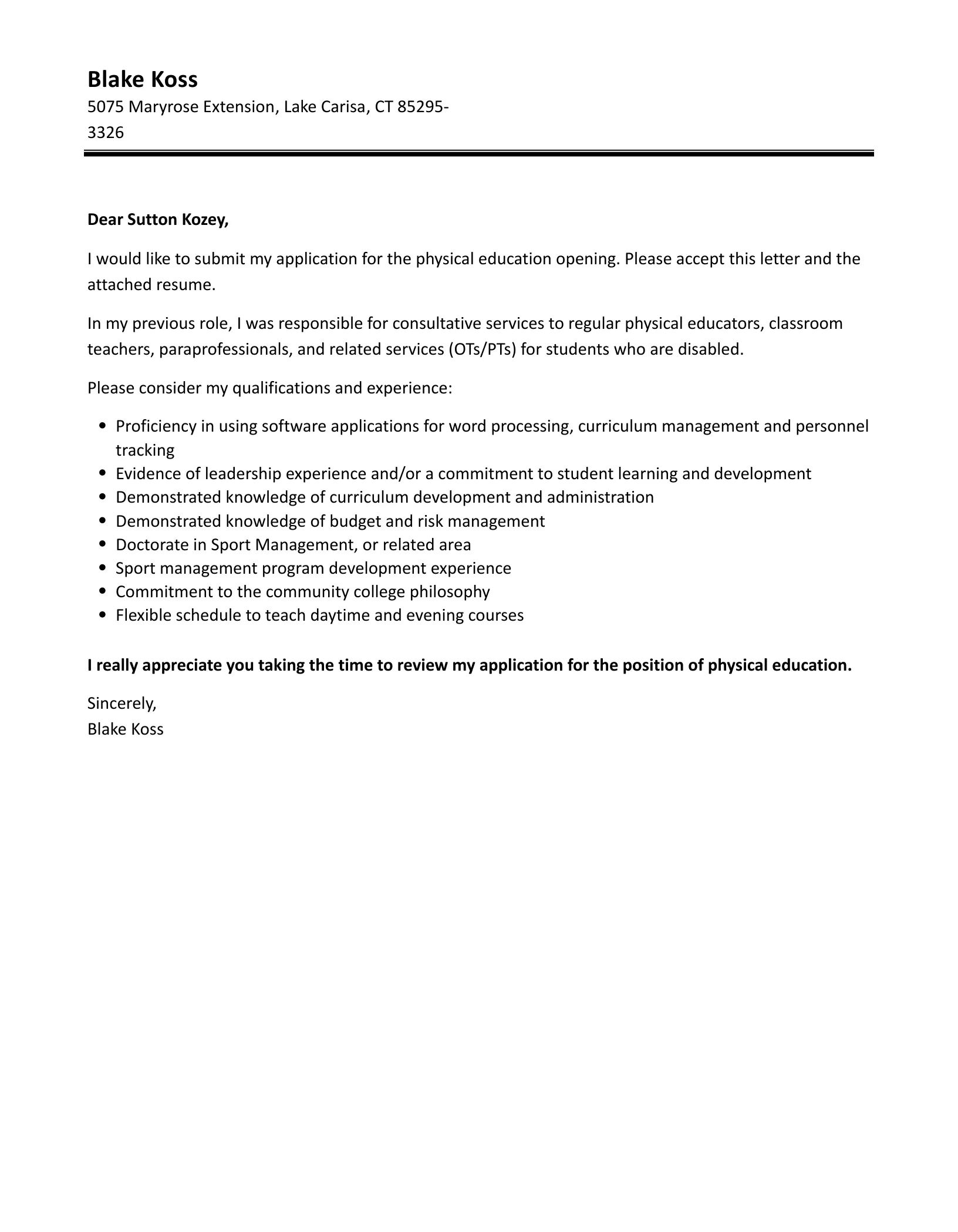
Education Job Cover Letter Top 5 Tips
Crafting a compelling education job cover letter is crucial for landing your dream role in the education sector. It’s your first impression on potential employers, a chance to showcase your skills, experience, and passion for teaching or working with students. A well-written cover letter should complement your resume, providing context and personality that help you stand out from the crowd. With numerous applicants vying for each position, a standout cover letter can be the difference between an interview invitation and a rejection. This article breaks down the top 5 tips for writing an education job cover letter that gets noticed. By following these guidelines, you will significantly increase your chances of securing your desired teaching or education-related position.
Highlight Your Relevant Skills
The education field values a diverse set of skills, from classroom management and curriculum development to communication and empathy. Your cover letter must highlight these skills directly. Don’t just list them; provide examples of how you’ve used these skills effectively in the past. Tailor your focus to the specific requirements outlined in the job description. If the role emphasizes creating inclusive learning environments, provide concrete examples of how you have fostered such environments. If the position requires proficiency in a certain teaching methodology, explain your experience and success with it. Remember, the goal is to demonstrate that you possess the necessary qualifications to excel in the position. The more specific and relevant your examples, the stronger your case will be.
Showcase Your Achievements

Instead of just listing your responsibilities, focus on your accomplishments. What have you achieved in your previous roles? How did your actions positively impact students, the school, or the community? Think beyond the basics, and consider projects, initiatives, or programs you spearheaded or significantly contributed to. Did you improve student test scores? Did you implement a new teaching strategy that enhanced student engagement? Did you receive any awards or recognition for your work? Each achievement provides concrete evidence of your capabilities and potential. Focus on accomplishments that are most relevant to the specific job, and ensure that you clearly explain the context, your role, and the positive results.
Quantify Your Accomplishments
Whenever possible, quantify your achievements. Numbers and data add credibility and impact to your claims. Instead of saying ‘Improved student performance,’ state ‘Improved student test scores by 15% within one academic year.’ Instead of ‘Increased student engagement,’ try ‘Increased student participation in classroom activities by 25% through the implementation of interactive lessons.’ Numbers demonstrate the measurable impact you’ve had in previous roles and provide concrete evidence of your effectiveness. Use data whenever possible to paint a clear picture of your success and value. The more specific you are with your quantification, the more convincing your cover letter will be.
Tailor to the Specific Job
Generic cover letters are easily spotted and often discarded. Customize each cover letter for the specific job you’re applying for. Review the job description carefully and identify the key requirements, skills, and values the employer seeks. Then, adapt your letter to directly address these points. Show that you understand the school’s or district’s mission, values, and unique characteristics. Research the school, its programs, and its community. Demonstrate how your skills and experience align with their needs and aspirations. By showing that you have taken the time to learn about the specific role and organization, you demonstrate genuine interest and increase your chances of getting noticed.
Address the Hiring Manager

Whenever possible, address your cover letter to a specific person rather than using a generic salutation like ‘To Whom It May Concern.’ This shows that you’ve done your research and demonstrates a personal touch. If the hiring manager’s name isn’t listed in the job posting, try researching the school’s website, LinkedIn, or by calling the school and asking for the hiring manager’s name. Addressing your letter directly to the hiring manager increases the likelihood that it will be read by the intended person. It also allows you to personalize your letter further, possibly mentioning something specific you admire about the school or its mission.
Use the Right Tone
The tone of your cover letter should be professional, enthusiastic, and reflective of your personality. Use language that is clear, concise, and easy to understand. Avoid jargon or overly complex sentences. Demonstrate your passion for education and your commitment to student success. Convey a sense of confidence in your skills and abilities, but avoid being arrogant. Be genuine, and let your personality shine through. A well-crafted cover letter will strike the perfect balance between professionalism and personality, making you memorable and increasing your chances of a positive response. The best cover letters feel both professional and authentic, allowing your enthusiasm for education to shine.
Demonstrate Enthusiasm
Show your enthusiasm for the position and the school or district to which you are applying. Express your excitement about the opportunity to contribute to their educational mission. Explain what interests you about the specific role and why you are motivated to join their team. Mention any specific programs, initiatives, or values that resonate with you. Highlighting your genuine interest in the position and the organization can help you stand out from other candidates. The best way to demonstrate your enthusiasm is to speak authentically about what excites you about the opportunity and why you think you are a good fit.
Proofread Meticulously

Typos, grammatical errors, and formatting mistakes can damage your credibility and potentially eliminate you from consideration. Before submitting your cover letter, proofread it thoroughly. Check for any errors in grammar, spelling, and punctuation. Ensure that your letter is formatted correctly and easy to read. Ask a friend, family member, or career advisor to proofread your letter as well. Fresh eyes can often catch errors that you might miss. Taking the time to proofread demonstrates attention to detail and professionalism, which are essential qualities in the education sector.
Check Grammar and Spelling
Pay close attention to grammar and spelling. Use a grammar checker and spell checker, but don’t rely on them entirely. These tools may not catch every error. Read your cover letter aloud, and focus on each sentence. Make sure that your sentences are well-structured and that the language flows smoothly. If you’re unsure about a specific grammar rule, look it up. Accuracy in grammar and spelling is essential, especially in a profession where you’re responsible for teaching students proper writing and communication skills. Your cover letter is an important representation of your professionalism.