What is a CV Cover Letter and Why Is It Important
A CV cover letter is a crucial document that accompanies your curriculum vitae (CV) or resume when applying for a job. It serves as your introduction to the potential employer and provides an opportunity to showcase your personality, skills, and enthusiasm for the position. Unlike a CV, which is a factual summary of your experience and qualifications, a cover letter allows you to tell a story, explaining why you are the perfect fit for the role and the company. It’s your chance to make a strong first impression and stand out from other applicants. A well-crafted cover letter can significantly increase your chances of getting an interview, as it demonstrates your genuine interest in the opportunity and highlights your relevant experience in a way that a CV alone cannot.
Key Elements of a Winning CV Cover Letter
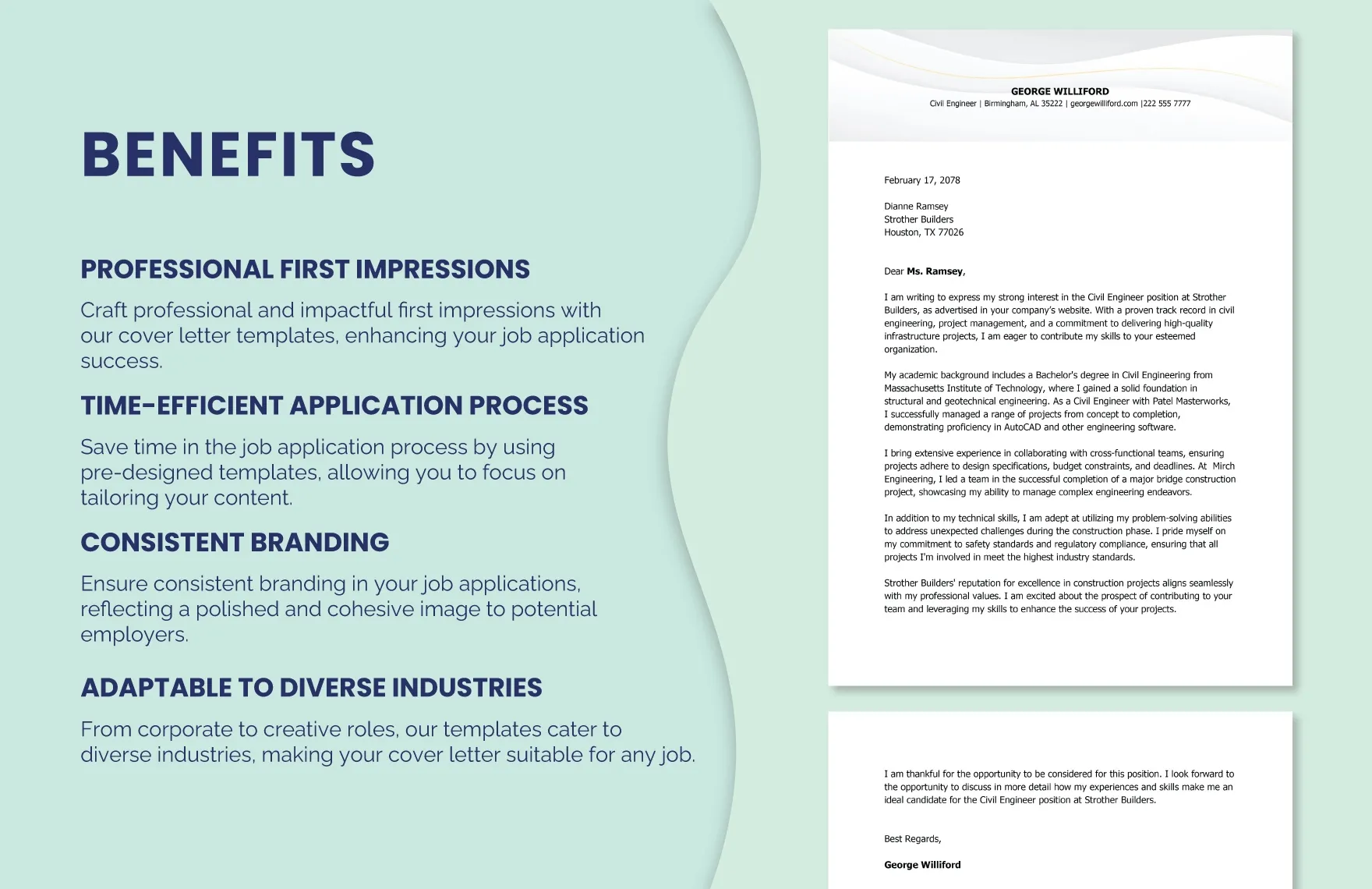
To create a winning CV cover letter, you must include several key elements that effectively communicate your qualifications and interest. Start with a professional header, including your contact information and the date. Then, address the hiring manager directly, if possible, by finding their name through research. The opening paragraph should be compelling, expressing your enthusiasm for the position and briefly stating your qualifications. The body of the letter should highlight your relevant skills and experience, providing specific examples to demonstrate your achievements. You must quantify your accomplishments whenever possible, using numbers and data to showcase your impact. Tailor your letter to each job, emphasizing the skills and experiences most relevant to the specific role. Finally, close with a strong call to action, expressing your eagerness for an interview and providing your contact information.
Use a Professional Header

Your header is the first thing a hiring manager will see, so it must be professional and well-organized. Begin by including your full name, followed by your contact information. This should include your phone number, email address, and, optionally, your LinkedIn profile URL. Make sure your email address is professional; avoid using nicknames or unprofessional addresses. The header should be aligned to the left or right, and the font should match the rest of your letter. Additionally, include the date of the letter and the name and address of the hiring manager or company, if known. This information ensures that your letter is easily identifiable and demonstrates attention to detail, both of which are crucial in making a positive first impression.
Address the Hiring Manager Directly
Addressing the hiring manager by name is a crucial element of a winning cover letter. Research the company website or LinkedIn to find the hiring manager’s name. Using their name adds a personal touch and demonstrates that you’ve taken the time to learn about the company and the specific role. If you can’t find the name, use a general greeting like “Dear Hiring Manager” or “Dear [Department Name] Team.” Avoid generic greetings such as “To Whom It May Concern,” as they can make your letter seem impersonal. Addressing the hiring manager directly shows that you care enough to go the extra mile and adds a layer of professionalism that sets you apart from other applicants. It immediately captures their attention and invites them to continue reading.
Craft a Compelling Opening
The opening paragraph is your opportunity to immediately grab the reader’s attention. Avoid generic statements like “I am writing to express my interest.” Instead, start with a strong opening statement that highlights your enthusiasm for the position. Briefly mention where you saw the job posting and why it caught your eye. State your most relevant qualification or skill, and mention how your experience aligns with the company’s needs. Consider including a brief, specific accomplishment that immediately demonstrates your value. Your opening should be concise, engaging, and make the reader want to learn more. A compelling opening creates a positive first impression and encourages the hiring manager to continue reading.
Highlight Relevant Skills and Experience

The body of your cover letter should highlight the skills and experience that make you the perfect candidate. Focus on the qualifications listed in the job description, and provide specific examples from your past roles. Instead of simply listing your skills, describe how you’ve used them to achieve results. Use the STAR method (Situation, Task, Action, Result) to structure your examples. Describe the situation you were in, the task you had to complete, the actions you took, and the results you achieved. This will help the hiring manager understand your capabilities and the value you can bring to the company. Tailor the skills you emphasize to match the specific requirements of each job you apply for, showcasing why you’re uniquely qualified.
Quantify Your Achievements
Whenever possible, quantify your achievements using numbers and data. Instead of saying “Improved sales,” say “Increased sales by 15% in one quarter.” Quantifying your accomplishments provides concrete evidence of your impact and demonstrates your ability to deliver results. Use percentages, numbers, and specific metrics to showcase your accomplishments. This helps the hiring manager quickly assess your value and compare your achievements to those of other applicants. For example, if you managed a project, mention the budget, timeline, and any cost savings or efficiencies you achieved. If you led a team, mention the team’s size and any performance improvements. Quantifying your achievements makes your cover letter more impactful and memorable.
Tailor Your Letter to Each Job
Avoid using a generic cover letter for every job application. Instead, tailor your letter to match the specific requirements of each position. Carefully review the job description and identify the key skills and experiences the employer is seeking. Highlight the qualifications most relevant to the role, and adjust your language to reflect the company’s culture and values. Research the company and tailor your letter to show that you understand their mission and goals. Demonstrate that you have a genuine interest in the specific opportunity and the company, rather than just applying for any job. Customizing your letter shows that you’ve taken the time to understand the role and are genuinely interested in the opportunity, which will significantly increase your chances of getting an interview.
Close with a Strong Call to Action

Your closing paragraph should include a strong call to action, expressing your eagerness for an interview and your contact information. Reiterate your interest in the position and thank the hiring manager for their time and consideration. State your availability for an interview and provide your preferred method of contact, such as your phone number and email address. Make it easy for the hiring manager to contact you. A well-written closing leaves a positive final impression and encourages the hiring manager to take the next step. Ensure your closing is professional and enthusiastic, leaving the reader with a clear understanding of your interest and availability.
Format and Structure Tips
Font and Style Selection
Choose a professional font such as Times New Roman, Arial, or Calibri, with a font size between 10 and 12 points. Use a clear and readable font that is easy on the eyes. Maintain consistent formatting throughout your letter, including font style, size, and spacing. Use single-line spacing and leave a blank line between paragraphs to make the letter easy to read. Ensure your margins are set to 1 inch on all sides for a clean and balanced look. Proper formatting and a clean layout demonstrate attention to detail and professionalism, making a positive impression on the hiring manager.
Proofread Carefully

Proofreading is an essential step in preparing your CV cover letter. Carefully check for any grammatical errors, spelling mistakes, and typos. Use a grammar checker to catch any errors you might have missed. Read your letter aloud to catch any awkward phrasing or sentences that don’t flow smoothly. It’s often helpful to have a friend or colleague review your letter, as a fresh pair of eyes can catch errors that you might miss. A polished, error-free cover letter demonstrates your attention to detail and professionalism. Ensure your letter is free of mistakes, creating a positive impression on the hiring manager.
Common Mistakes to Avoid in Your CV Cover Letter
Avoid common mistakes that can hurt your chances of getting hired. Do not use generic templates without tailoring them to the specific job. Avoid using slang, jargon, or overly casual language. Don’t include irrelevant information or personal details that are not related to the job. Never lie or exaggerate your accomplishments, as this can damage your credibility. Do not exceed the recommended length of one page, as hiring managers may not have time to read long letters. By avoiding these common mistakes, you can create a cover letter that effectively showcases your qualifications and increases your chances of getting an interview.