Understanding the Importance of a Creative Cover Letter
In the competitive world of graphic design, a cover letter is more than just a formality—it’s your first opportunity to make a lasting impression. Unlike a resume, which is a static summary of your skills and experience, a cover letter allows you to showcase your personality, passion, and unique design perspective. It’s a chance to tell a story, to connect with the hiring manager on a personal level, and to demonstrate why you’re the perfect fit for the role. A well-crafted cover letter can elevate your application from the pile and increase your chances of landing an interview, setting the stage for a successful job search. Think of it as a visual and textual extension of your design philosophy.
Why a Cover Letter Matters for Designers
For graphic designers, a cover letter serves several critical purposes. First, it provides context to your resume. While your portfolio showcases your visual skills, the cover letter explains the ‘why’ behind your work. It allows you to articulate your design choices, discuss your creative process, and highlight your understanding of design principles. Secondly, it demonstrates your communication skills, which are essential in a collaborative design environment. A well-written cover letter showcases your ability to express ideas clearly, concisely, and persuasively. Finally, it reveals your personality and enthusiasm for the role. Design is a field fueled by passion, and your cover letter is where you can let your excitement shine through, making you more memorable to the hiring manager.
What to Include in Your Cover Letter

Crafting an effective cover letter requires careful consideration of its content. It should be tailored to the specific job and company, demonstrating your genuine interest and understanding of their needs. The following sections provide guidance on what elements to incorporate to make your cover letter stand out and increase your chances of securing an interview. By following these tips, you’ll be well on your way to creating a cover letter that showcases your design expertise and aligns with the needs of your potential employer, further solidifying your position as a top contender for the job.
1. Showcase Your Unique Design Style
Your cover letter is an extension of your design portfolio, so make sure it reflects your unique style and creative flair. Instead of a generic approach, infuse your personality and artistic vision into the letter. This means using language that reflects your voice, incorporating visual elements like a subtle header or footer design, and highlighting projects that exemplify your particular design strengths. Think of your cover letter as a mini-portfolio, a sneak peek of what you bring to the table. By doing this, you are actively setting yourself apart from other applicants, showing that you don’t just understand design, but that you live it. When creating your letter, be mindful of how the overall design reflects your aesthetic.
Highlighting Your Best Design Projects
Don’t just list your projects; describe them with passion and insight. Choose 2-3 projects that best showcase your skills and align with the job requirements. For each project, explain your role, the design challenges you faced, and the solutions you implemented. Mention any specific software or techniques you used, and quantify your results whenever possible (e.g., ‘Increased website traffic by 20%’). This detailed approach gives the hiring manager a deeper understanding of your abilities and demonstrates your capacity to deliver tangible results. By highlighting specific projects, you are actively demonstrating your real-world expertise.
Emphasizing Your Design Process

The design process is a critical aspect that often gets overlooked. Briefly describe your design workflow to give insight into your approach. Do you start with research and ideation? How do you handle feedback and revisions? Highlighting this process not only shows your organized approach but also reveals how you manage projects, work under deadlines, and adapt to client feedback. This transparency builds confidence and demonstrates that you’re not just skilled but also a reliable and adaptable designer. By emphasizing your design process, you demonstrate your ability to be an effective member of a team.
2. Tailor Your Letter to the Specific Job
Generic cover letters rarely impress. A customized cover letter shows that you’ve taken the time to understand the company and the specific role. This demonstrates genuine interest and increases your chances of standing out. Start by researching the company’s values, mission, and recent projects. Identify the key requirements outlined in the job description and highlight how your skills and experience align with those needs. This targeted approach tells the hiring manager that you’re not just sending out mass applications, but that you’re genuinely interested in the opportunity. By focusing on the specific requirements, you improve your chances of being considered for the position.
Researching the Company and Role
Before you start writing, thoroughly research the company. Visit their website, check their social media profiles, and read news articles or blog posts about them. Understand their brand identity, target audience, and the types of projects they undertake. Then, carefully review the job description. Identify the essential skills, experience, and qualifications they’re seeking. This research will help you tailor your cover letter to showcase how your skills and experiences match their specific requirements. By understanding their needs, you can write a compelling narrative that resonates with the hiring manager.
Matching Your Skills to the Job Requirements

Once you’ve researched the company and role, the next step is to explicitly connect your skills and experience to the job requirements. Review the job description and identify the key skills they’re looking for (e.g., proficiency in Adobe Creative Suite, experience with UI/UX design, knowledge of branding). Then, in your cover letter, provide specific examples of how you’ve demonstrated those skills in previous projects. Use action verbs to describe your accomplishments and quantify your results whenever possible (e.g., ‘Increased user engagement by 15%’). By clearly illustrating the alignment between your skills and the job requirements, you position yourself as a strong candidate.
3. Demonstrate Your Communication Skills
Effective communication is critical in graphic design. Your cover letter is a prime opportunity to showcase your writing skills. Use clear, concise language, and a professional tone. Avoid jargon and overly complex sentences. Your goal is to communicate your ideas effectively and to express your personality. A well-written cover letter demonstrates that you can clearly articulate your design concepts, communicate effectively with clients and colleagues, and convey your ideas with precision and impact. This is where your ability to clearly and effectively present yourself really shines.
Using Strong and Engaging Language
Use active verbs and descriptive language to bring your cover letter to life. Instead of saying ‘I worked on the project,’ try ‘I spearheaded the rebranding initiative.’ Instead of saying ‘I have experience with Photoshop,’ say ‘I’m proficient in Photoshop and utilize it to create stunning visual effects.’ Avoid clichés and generic phrases. Show, don’t just tell, by using compelling storytelling. This can make your cover letter more memorable and show the reader your personality. By using active verbs and engaging language, you make your cover letter more exciting and memorable, increasing the likelihood of getting noticed.
Proofreading for Errors

Typos and grammatical errors can undermine your credibility as a designer. Before submitting your cover letter, proofread it carefully. Check for spelling errors, grammatical mistakes, and punctuation errors. Consider using grammar checking software. If possible, have a friend or colleague review your cover letter for a fresh perspective. A polished cover letter demonstrates attention to detail and professionalism. This attention to detail assures the hiring manager that you will produce high-quality work. Correcting any errors shows your commitment to excellence and professionalism.
4. Include a Compelling Call to Action
Your cover letter should end with a clear call to action. What do you want the hiring manager to do after reading your letter? Invite them to review your portfolio, express your interest in an interview, or reiterate your enthusiasm for the role. Make it easy for them to take the next step. A strong call to action will make it clear that you are serious about the position. Don’t just leave them hanging. Guide the reader toward the next step by including a clear and concise call to action, making it easy for them to take the next step in the process and schedule an interview.
Expressing Your Enthusiasm
End your cover letter by expressing your genuine enthusiasm for the opportunity. Mention specific aspects of the role or company that excite you. Explain why you’re the perfect fit and how you can contribute to their team’s success. Your enthusiasm can set you apart from other applicants. This enthusiasm makes your cover letter more personal. This will help you to stand out and increase the chances of the hiring manager wanting to get to know you better. Share why this role excites you and emphasize how you will make a positive contribution.
Providing Contact Information

Make it easy for the hiring manager to contact you. Include your email address, phone number, and a link to your online portfolio. Consider adding your LinkedIn profile as well. Ensure your contact information is current and professional. Double-check that all links work correctly. It’s essential to provide all the information that a recruiter or hiring manager might need in order to reach you. Make sure that all the provided information is correct and ready for a quick response. Providing the right information lets the hiring manager reach out without delay.
5. Format and Design Considerations
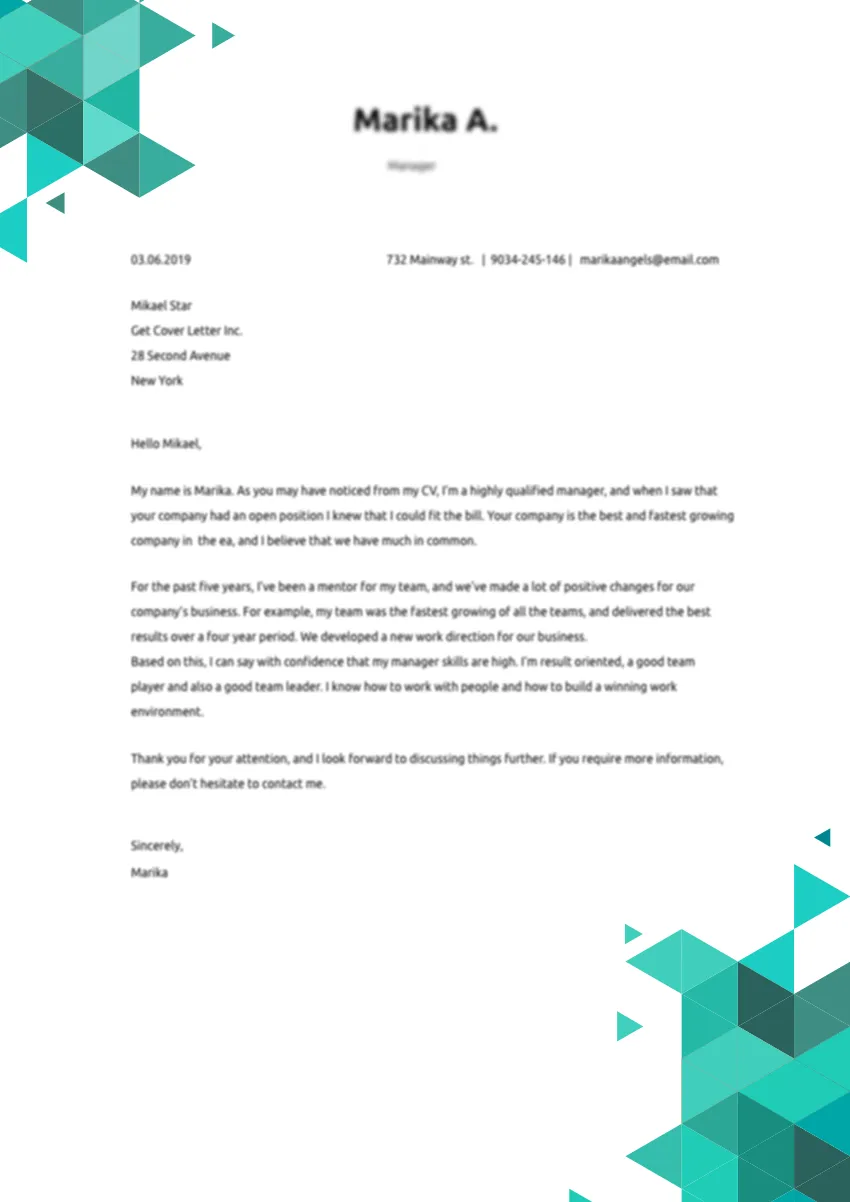
Since you’re a designer, the visual presentation of your cover letter is just as important as the content. Pay attention to the format, layout, and overall design. A well-designed cover letter showcases your skills and demonstrates your ability to create visually appealing documents. The format of your cover letter is where your design skills can really shine. Remember, your cover letter is a reflection of your design abilities, so make sure it is visually appealing, well-organized, and easy to read. This will help you make a positive impression and make your letter stand out.
Choosing the Right Fonts and Layout
Select fonts that are both readable and reflect your design style. Use a clear and professional font for the body text. Then, experiment with a more creative font for your name, headings, or a subtle design element. Pay attention to the layout. Use ample white space to make your cover letter easy to read. Organize your content logically with clear headings and bullet points. Avoid cramming too much information into a small space. Choose a layout that is aesthetically pleasing and easy to navigate. The right fonts and layout are essential to make your cover letter a visual treat. Consider how the fonts and layout choices represent your abilities.
Using Visual Elements

While a cover letter is primarily text-based, you can incorporate subtle visual elements to enhance its appeal. Consider adding a small design element, such as a graphic or a custom header/footer. Ensure any visual elements complement your design style and align with the overall brand. Keep it clean and professional. Avoid overloading the letter with too many visuals. The goal is to create an aesthetically pleasing document that showcases your design skills without distracting from the content. By subtly incorporating visual elements, you demonstrate your design abilities and show the hiring manager that you understand the importance of visual communication.
Conclusion
In conclusion, a creative cover letter is a powerful tool for graphic designers seeking to make a lasting impression and land their dream job. By showcasing your unique design style, tailoring your letter to the specific job, demonstrating your communication skills, including a compelling call to action, and paying attention to format and design considerations, you can create a cover letter that stands out from the competition and highlights your skills. Remember that your cover letter is a chance to tell your story, connect with the hiring manager on a personal level, and demonstrate why you’re the perfect fit for the role. So, take the time to craft a cover letter that reflects your creativity, passion, and expertise as a graphic designer, and watch your career soar. Good luck!