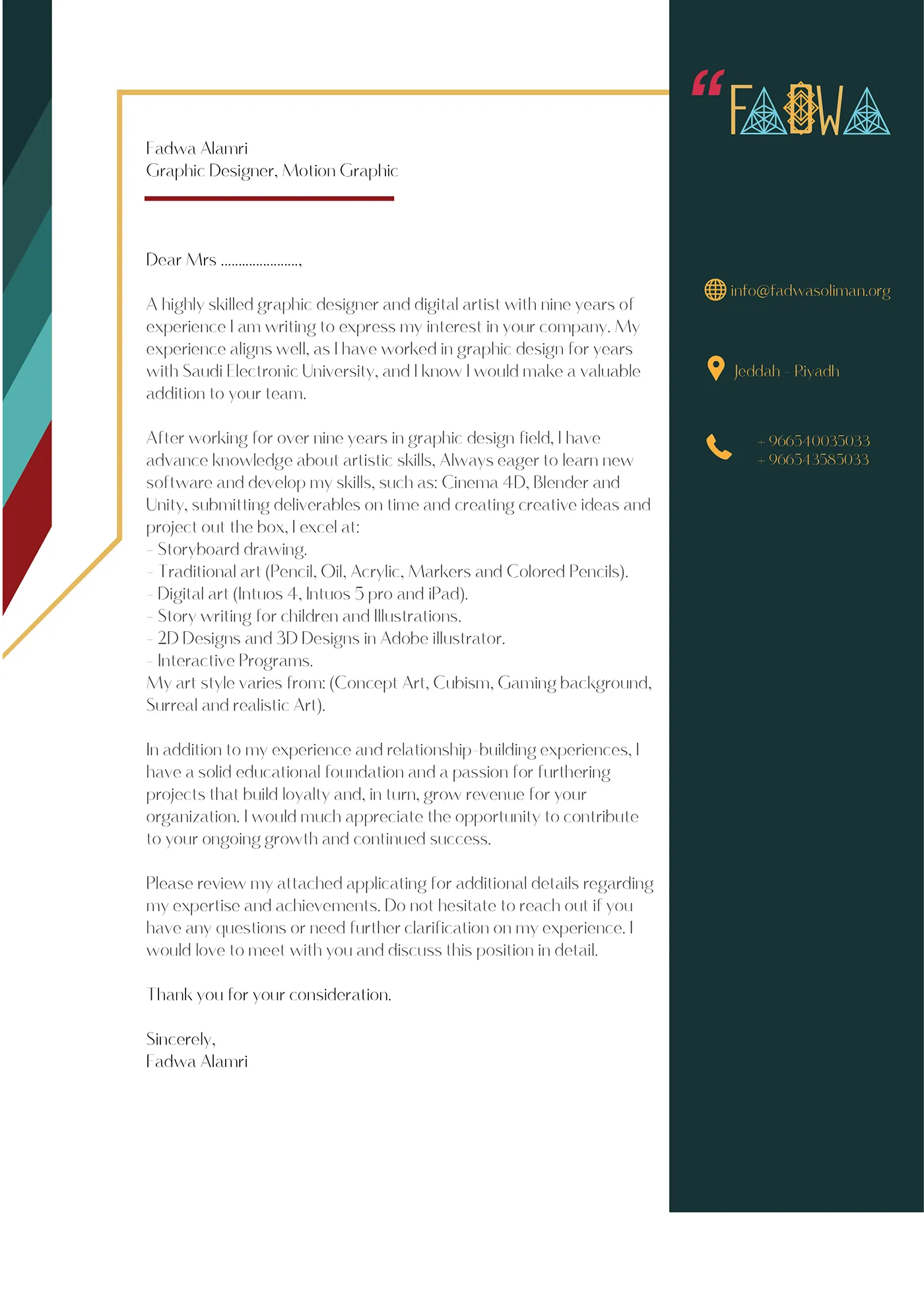
Cover Letter: Top 7 Tips for Success!
A cover letter, often considered the companion to your resume, is your first impression with a potential employer. It’s your opportunity to showcase not just your skills and experience, but also your personality, enthusiasm, and genuine interest in the role and the company. A well-crafted cover letter can significantly increase your chances of landing an interview, while a poorly written one can lead to your application being overlooked. Crafting a successful cover letter involves more than just listing your qualifications; it requires strategic writing, careful tailoring, and a clear demonstration of how your skills align with the job requirements. This guide will provide you with top tips to write a compelling cover letter that helps you stand out from the crowd and secure your dream job.
Highlight Your Skills
Your cover letter should serve as a showcase for your key skills and how they align with the job description. Don’t simply list your skills; demonstrate them through specific examples. Think about instances where you successfully utilized those skills to achieve positive outcomes. For instance, if the job requires strong communication skills, provide a brief anecdote where your clear communication led to a successful project completion or improved team collaboration. This approach makes your claims more credible and memorable. Prioritize the skills that the employer explicitly mentions in the job posting. This shows that you’ve taken the time to understand their needs and are capable of fulfilling them.
Quantify Your Achievements

Whenever possible, quantify your achievements to provide concrete evidence of your abilities. Instead of saying “Improved sales,” state “Increased sales by 15% within six months.” This level of detail adds significant weight to your claims and allows the hiring manager to easily assess the impact of your contributions. Use numbers, percentages, and specific metrics to illustrate your accomplishments. For example, if you mention managing a project, specify the budget size, the number of people involved, and the successful outcomes. This data-driven approach transforms your cover letter into a highly persuasive document that clearly demonstrates the value you can bring to the role.
Customize Your Letter
Generic cover letters are easily spotted and often discarded. Tailor each cover letter to the specific job and company you’re applying to. Read the job description carefully and identify the key requirements and keywords. Then, use these keywords throughout your letter to demonstrate how your skills and experiences align with the role. Research the company to understand their values, mission, and recent initiatives. This allows you to personalize your letter and show that you’ve taken the initiative to learn about them. Mention specific projects, initiatives, or aspects of the company that resonate with you. This level of personalization shows genuine interest and makes your application more likely to be noticed.
Research the Company
Before writing your cover letter, conduct thorough research on the company. Visit their website, read their press releases, and explore their social media profiles to gain a deeper understanding of their culture, values, and current projects. This research provides valuable insights that allow you to personalize your letter and demonstrate your genuine interest in the company. In your cover letter, mention specific company initiatives, products, or values that align with your own interests and career goals. This shows the hiring manager that you’ve taken the time to learn about the company and that you’re a good fit for their culture. Tailoring your letter to the company’s specific needs increases your chances of making a strong impression.
Use Action Verbs

Enhance your cover letter by using strong action verbs. Action verbs make your descriptions more dynamic and engaging, helping to capture the reader’s attention. Instead of writing “Responsible for project management,” use action verbs like “Managed,” “Led,” or “Oversaw.” These verbs instantly convey a sense of initiative and accomplishment. Avoid passive voice and aim for active language throughout your letter. Make a list of powerful action verbs such as “achieved,” “created,” “developed,” “implemented,” and “resolved.” These verbs enable you to describe your experiences and accomplishments in a clear and concise way, highlighting your skills and capabilities. The use of action verbs makes your cover letter more memorable and impactful.
Proofread Meticulously
Typos, grammatical errors, and other mistakes can undermine your credibility and professionalism. Proofread your cover letter multiple times to ensure it’s free of errors. Read it aloud to catch any awkward phrasing or sentences that might not flow smoothly. Ask a friend, family member, or career counselor to review your letter for a fresh perspective. Proofreading is an essential step in the cover letter writing process. Every detail reflects your attention to detail and your commitment to producing high-quality work. A polished and error-free cover letter demonstrates your professionalism and increases your chances of securing an interview.
Format Matters
The formatting of your cover letter is equally important as the content. Use a clean, professional font like Times New Roman, Arial, or Calibri. Ensure that your letter is easy to read by using appropriate spacing, margins, and bullet points. Keep your letter concise and to the point, ideally within one page. Use headings and subheadings to break up the text and make it more visually appealing. Avoid using jargon or overly complicated language that might confuse the reader. A well-formatted cover letter is easier to read, demonstrates your attention to detail, and enhances your overall presentation. A well-formatted cover letter immediately makes a positive impression on the hiring manager.
In conclusion, writing a successful cover letter is a crucial step in the job application process. By following these seven tips, you can create a compelling cover letter that highlights your skills, quantifies your achievements, and demonstrates your genuine interest in the role and the company. Remember to customize each letter, proofread meticulously, and use strong action verbs to make a lasting impression. A well-crafted cover letter is a powerful tool that can significantly increase your chances of landing your dream job.