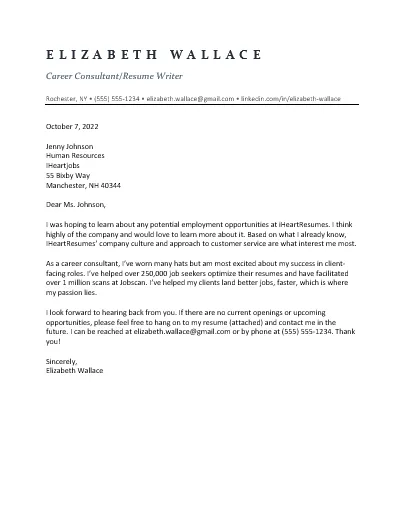
What is a Cover Letter
A cover letter is a crucial document that accompanies your resume when applying for a job. It serves as your introduction to the hiring manager, providing an opportunity to express your interest in the position and highlight your relevant skills and experiences. Unlike a resume, which offers a factual overview of your qualifications, a cover letter allows you to elaborate on specific aspects of your background and explain why you are the ideal candidate. It demonstrates your writing skills, personality, and genuine interest in the role and the company. A well-crafted cover letter can significantly increase your chances of getting an interview, while a poorly written one can immediately disqualify you from consideration. In today’s competitive job market, a strong cover letter is often a key differentiator.
Why is a Cover Letter Important
The importance of a cover letter extends beyond simply submitting your resume. It’s a vital tool for making a strong first impression and showcasing your unique value proposition. A well-written cover letter demonstrates that you’ve taken the time to understand the job requirements and the company’s culture. It provides a platform to personalize your application, highlighting specific skills and experiences that align with the job description. This personalization shows that you are not just sending out a generic application, but are genuinely interested in the opportunity. It also allows you to address any potential gaps in your resume, such as career changes or periods of unemployment. Furthermore, a cover letter allows you to express your enthusiasm and passion for the role, setting you apart from other applicants and increasing your chances of getting an interview.
Key Components of a Cover Letter

A successful cover letter is structured with specific components that work together to create a compelling narrative. Each part serves a unique purpose in conveying your qualifications and interest to the hiring manager. Ensuring that all these elements are included and well-crafted is essential for making a strong impression. These components collectively present a comprehensive picture of your suitability for the job and your enthusiasm for the opportunity. Ignoring or omitting any of these elements can weaken your cover letter and reduce your chances of securing an interview.
Contact Information
At the top of your cover letter, include your contact information. This should include your full name, address, phone number, and email address. Ensure that your email address is professional and easy to read. This information makes it easy for the hiring manager to reach you if they want to schedule an interview or have any questions about your application. Keeping your contact information accurate and up-to-date is a simple yet critical step in the application process.
Date
Directly below your contact information, include the date you are writing the cover letter. This provides context and shows the hiring manager when you submitted your application. Using the correct date ensures that the letter aligns with the timeline of the job posting and application process. Consistency and attention to detail are essential.
Hiring Manager’s Name and Title

If possible, address your cover letter to a specific person, ideally the hiring manager or the person listed in the job posting. Research the company to find out the name and title of the appropriate contact. If you are unable to find a specific name, use a general salutation like ‘Dear Hiring Manager’. Addressing the cover letter to a specific person demonstrates that you have done your research and are paying attention to detail. It makes your application feel more personalized, which can make a positive impression.
Salutation
Start your cover letter with a professional salutation, such as ‘Dear Mr./Ms./Mx. [Last Name]’ if you know the hiring manager’s name. If you do not know the name, use ‘Dear Hiring Manager’ or ‘To Whom It May Concern’. Avoid overly casual salutations or those that might appear less professional. A good salutation sets the tone for the rest of your letter.
Opening Paragraph
Your opening paragraph should immediately grab the reader’s attention. State the specific position you are applying for and briefly mention where you saw the job posting. Then, express your enthusiasm for the role and the company. Make a concise statement about why you are a good fit, highlighting a key skill or experience. The opening paragraph is your chance to make a positive first impression, so make it count. Clearly stating the position and showcasing your immediate interest is key to setting the tone of your letter.
Highlighting Skills and Experience

The body of your cover letter is where you demonstrate how your skills and experiences match the job requirements. Select 2-3 key skills or experiences mentioned in the job description and provide specific examples of how you have utilized them in the past. Quantify your achievements whenever possible. Use action verbs to describe your accomplishments and focus on results. Tailor this section to the specific role and demonstrate why your skills make you the perfect candidate. This is the heart of your cover letter, so make sure it’s relevant and engaging. This section is about demonstrating how your expertise aligns with the employer’s requirements.
Quantifying Achievements
Whenever possible, quantify your achievements to showcase the impact of your work. Use numbers and data to illustrate your accomplishments. For example, instead of saying ‘Managed a team,’ say ‘Managed a team of 10 employees, increasing productivity by 15%’. Numbers provide concrete evidence of your abilities and make your accomplishments more impactful and memorable. Quantifiable achievements make it easier for the hiring manager to assess your effectiveness and potential value to the company. Be specific and back up your claims with tangible results.
Showcasing Company Knowledge
Demonstrate that you have researched the company and understand its mission, values, and recent achievements. Mention specific projects or initiatives that resonate with you and explain how your skills could contribute to the company’s goals. Show that you have taken the time to learn about the company and that you are genuinely interested in working there. This shows the hiring manager your commitment to the opportunity. This preparation showcases your interest and allows you to align your goals with the company’s objectives.
Expressing Enthusiasm and Interest

Throughout your cover letter, express your enthusiasm for the role and the company. Use positive language and show your genuine interest in the opportunity. This helps to create a connection with the hiring manager and makes you more memorable. Expressing enthusiasm makes your application more personal and indicates that you are not just seeking any job. Showing genuine interest demonstrates your passion for the position and reinforces your dedication to the company.
Call to Action
Conclude your cover letter with a call to action. Clearly state that you are eager to discuss your qualifications further and express your availability for an interview. Thank the hiring manager for their time and consideration. This leaves a strong and professional impression, encouraging the next step in the hiring process. A clear call to action ensures that you are proactive and that you demonstrate your willingness to move forward in the application process. It reinforces your interest and makes it easier for the hiring manager to take the next step.
Closing and Signature
End your cover letter with a professional closing, such as ‘Sincerely’ or ‘Best regards,’ followed by your typed name. If you are submitting a physical copy of your cover letter, leave space for your signature above your typed name. This is a simple, yet necessary step that completes your application. A professional closing adds the finishing touch to your cover letter and shows attention to detail, underscoring your professionalism.
Cover Letter Formatting Tips

The formatting of your cover letter is just as important as its content. A well-formatted cover letter is easy to read and visually appealing. Poor formatting can distract the hiring manager and make your application less effective. Proper formatting makes it easier for the reader to focus on your skills and qualifications, making a better first impression. Adhering to these tips ensures that your cover letter looks professional and polished.
Font Selection
Choose a professional and easy-to-read font, such as Times New Roman, Arial, or Calibri. Keep the font size between 10 and 12 points. Avoid using overly stylized or decorative fonts, as they can be difficult to read. Consistent and legible font selection reflects professionalism. Using a standard, readable font ensures your cover letter is accessible to all readers.
Margins and Spacing
Use standard margins (1 inch on all sides) and single or 1.15 line spacing. Ensure that your text is well-aligned and that there is enough white space to make the letter visually appealing. Consistent margins and spacing make your cover letter easy to read. Adequate spacing prevents your cover letter from appearing crowded or difficult to navigate.
Proofreading and Editing

Proofread your cover letter carefully for any grammatical errors, spelling mistakes, or typos. Have someone else review your cover letter to catch any errors you may have missed. Errors can undermine your credibility and make you appear unprofessional. Thorough proofreading is essential. A well-proofread cover letter demonstrates attention to detail and commitment to excellence. Make sure the flow of your content reads well and is easy to digest.
Cover Letter Template Variations
Cover letters are not one-size-fits-all; they can be adapted based on your experience and the specific job you’re applying for. Tailoring your cover letter to fit different circumstances can substantially increase your chances of getting an interview. Understanding the different cover letter templates and their respective uses can help you craft the perfect application.
Entry-Level Cover Letter
An entry-level cover letter should emphasize your educational background, internships, volunteer experiences, and transferable skills. Focus on demonstrating your enthusiasm, willingness to learn, and potential. Highlight any projects or experiences that relate to the job. If you have limited work experience, it is even more important to articulate your skills and potential. Showcase your eagerness to contribute to the company, even without extensive professional experience.
Experienced Professional Cover Letter
Experienced professionals should focus on their accomplishments, quantifiable results, and specific skills that are relevant to the job. Provide detailed examples of how you have excelled in previous roles and the impact you have made. This is where you highlight how you have added value to previous employers. Showcase your experience by using data to support your claims. Highlighting relevant experiences demonstrates your mastery in the field.
Industry-Specific Cover Letters
Tailor your cover letter to the specific industry you are targeting. Research the industry’s specific requirements, language, and expectations. Show that you understand the nuances of the industry and can contribute relevant skills and experience. This can make your application stand out as you demonstrate familiarity with the industry’s norms and language. Knowing industry jargon and expectations can give you an edge over other applicants. Industry specific knowledge is essential for success.
Cover Letter Mistakes to Avoid
Certain mistakes can significantly reduce the effectiveness of your cover letter. Being aware of these common pitfalls can help you avoid them and increase your chances of success. Avoiding these common blunders will help your application be more compelling.
Generic Cover Letters
Avoid sending generic cover letters that are not tailored to the specific job or company. Customize each cover letter to showcase your understanding of the role and your genuine interest in the company. Generic cover letters demonstrate a lack of interest and understanding. Customizing your cover letter is key to getting the hiring manager’s attention. This can be achieved by researching the company and the role, then demonstrating that understanding in your application.
Typos and Grammatical Errors
Always proofread your cover letter carefully for any typos or grammatical errors. These mistakes can undermine your credibility and make you appear unprofessional. Ensure that the document is polished and free of errors. Proofreading is essential. Mistakes give the impression that you are not detail-oriented. Make sure the flow of your content reads well and is easy to digest.
Exaggerating or Lying
Avoid exaggerating or lying about your skills and experience. Be honest and accurate in your representation. Exaggerations can be easily discovered during the interview process, leading to a lack of trust. Maintain transparency. Being truthful builds trust and a better foundation for your career.
Failing to Tailor the Letter
Failing to tailor your cover letter to the specific job and company is a common mistake. Each cover letter should be customized to highlight your relevant skills and explain why you are the ideal candidate for the role. Customize each application to show you have paid attention to the role. Customization helps show the employer that you care about the opportunity and are not just applying to everything.
Cover Letter Examples
Reviewing examples can help you understand the structure and content of an effective cover letter. These examples can provide inspiration and guidance as you craft your own cover letter. Analyze the structure, language, and content of successful cover letters to inspire you. Remember to tailor any example to your specific experience and the job requirements, making sure your personality shines through.
Template 1
This template emphasizes skills and experience directly related to the job description. It’s best suited for individuals with relevant experience and quantifiable achievements. It should include a strong opening that states the position and your qualifications, with several paragraphs that highlight accomplishments using action verbs and data.
Template 2
Template 2 is designed to focus on showcasing your enthusiasm for the company and the role. It is useful when you have strong knowledge of the company or its industry. It begins with a captivating opening that expresses your interest in the role and the company, followed by examples of your skills and why you would be successful at that company.
Template 3
This template focuses on transferable skills. It is suitable for those changing careers or with limited direct experience. It should focus on the skills acquired in previous roles that are relevant to the new position. This demonstrates how you have learned the required skills elsewhere.
Conclusion
A well-crafted cover letter is an essential tool for job seekers. By following the guidelines and tips outlined in this guide, you can create a cover letter that effectively showcases your skills, experiences, and enthusiasm for the role. Remember to tailor your cover letter to each job you apply for, highlighting your unique qualifications and demonstrating your interest in the company. Take the time to refine your writing, proofread carefully, and make sure your cover letter reflects your best self. A strong cover letter can significantly increase your chances of securing an interview and landing your dream job. By taking the time to perfect your cover letter, you are investing in your future.