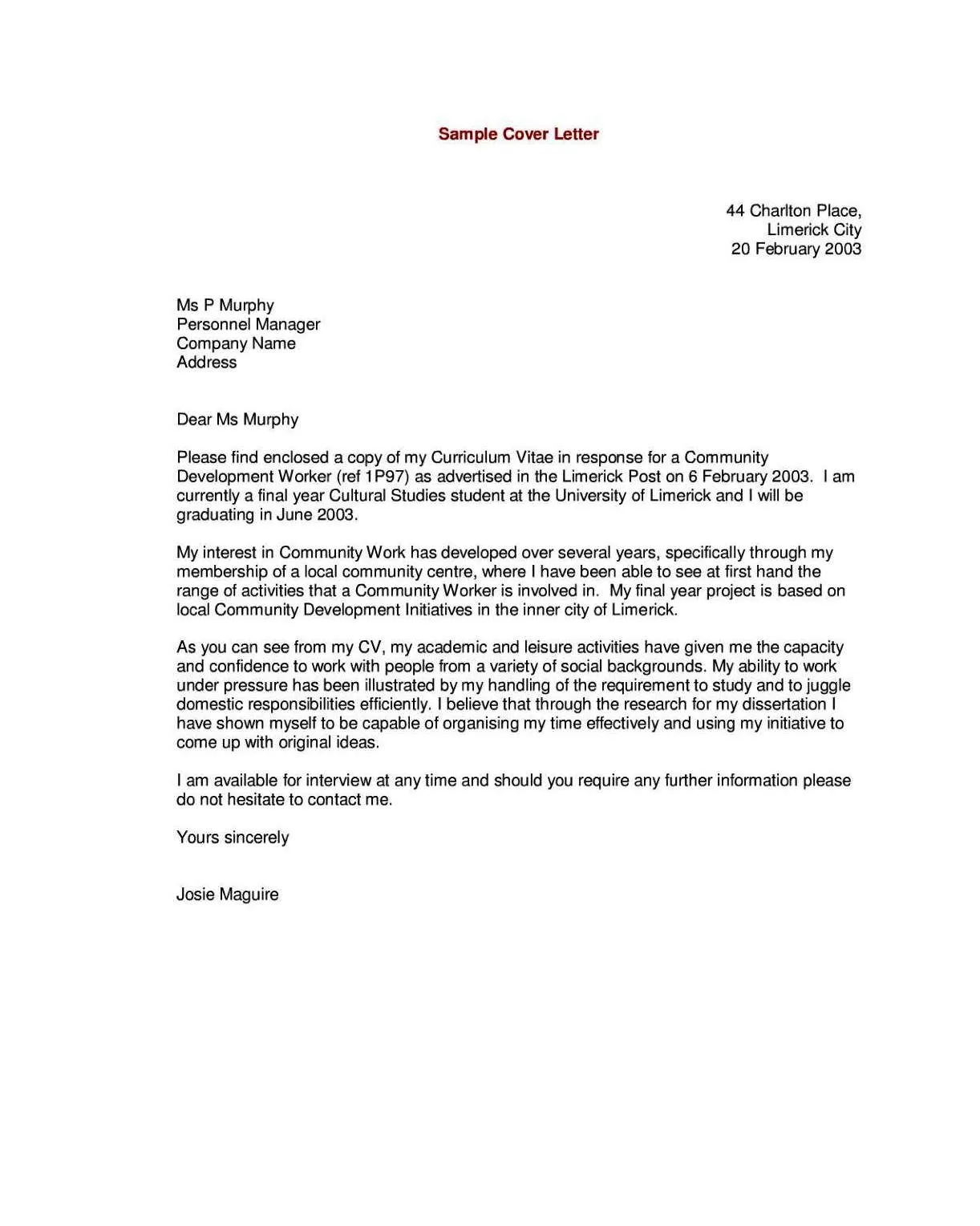
What is a Cover Letter
A cover letter is a crucial document that accompanies your resume when applying for a job. It’s your chance to introduce yourself to a potential employer, highlight your skills and experience, and express your interest in the specific position. Think of it as your personal sales pitch, designed to capture the hiring manager’s attention and persuade them to read your resume. It provides an opportunity to explain why you’re a great fit for the role and the company.
Why Cover Letters Matter
In today’s competitive job market, a well-crafted cover letter can significantly increase your chances of landing an interview. It allows you to personalize your application, showcasing your understanding of the company and the role. Unlike a resume, which provides a factual overview of your qualifications, a cover letter allows you to express your personality, enthusiasm, and writing skills. Many hiring managers view cover letters as essential, as they offer insight into your communication skills and attention to detail.
Top 5 Cover Letter Secrets

Here are five secrets to help you create a cover letter that impresses and gets you noticed.
Highlight Relevant Skills
Carefully review the job description and identify the key skills and qualifications the employer is seeking. In your cover letter, explicitly mention these skills and provide brief examples of how you’ve demonstrated them in previous roles or projects. Use keywords from the job description to ensure your letter aligns with the employer’s needs. This targeted approach demonstrates that you understand the requirements of the position and possess the necessary capabilities.
Quantify Your Achievements
Instead of simply stating your responsibilities, use numbers and data to showcase your accomplishments. For example, instead of saying “Managed social media accounts,” say “Increased social media engagement by 30% in six months.” Quantifying your achievements provides concrete evidence of your impact and allows the hiring manager to understand the value you can bring to their organization. Use metrics whenever possible to make your accomplishments more compelling and memorable.
Showcase Enthusiasm and Personality

Let your personality shine through! While maintaining a professional tone, express your genuine interest in the company and the specific role. Explain why you’re excited about the opportunity and what you hope to achieve. Share a relevant anecdote or express your admiration for the company’s values or work. This level of engagement will make your cover letter more engaging and make you stand out from generic applicants. Show that you’ve done your research and are truly interested in the position.
Tailor to Each Job Application
Never send a generic cover letter. Always customize your letter for each job you apply for. This means researching the company, understanding the specific requirements of the role, and adjusting your letter to address those details. Use the company’s name, mention specific projects or initiatives, and explain why you’re a good fit for this particular opportunity. A personalized cover letter demonstrates your genuine interest and attention to detail, increasing your chances of success.
Proofread Meticulously
Typos and grammatical errors can undermine your credibility and make a negative impression. Before submitting your cover letter, proofread it carefully for any mistakes. Use spell-check and grammar-check tools, but also read the letter aloud to catch any awkward phrasing or errors that automated tools might miss. Ask a friend or family member to review your letter as a fresh pair of eyes can often spot errors you might miss. A polished, error-free cover letter demonstrates professionalism and attention to detail.
Formatting Your Cover Letter for Success

Proper formatting is essential for a professional and readable cover letter. Here’s a guide to ensure your letter looks its best.
Header and Contact Information
Start with your contact information: your name, phone number, email address, and optionally, your LinkedIn profile URL. Include the date and the hiring manager’s name and title, if known, along with the company’s address. This information should be aligned to the left or right.
Professional Salutation
Use a professional salutation, such as “Dear Mr./Ms. [Last Name],” if you know the hiring manager’s name. If the name isn’t available, use a general salutation like “Dear Hiring Manager.” Avoid overly casual greetings, such as “Hi there.”
Body Paragraph Structure

The body of your cover letter should be concise and well-structured, typically spanning three to four paragraphs. The first paragraph should state the position you’re applying for and how you learned about it. The subsequent paragraphs should highlight your relevant skills, experience, and achievements, aligning with the job description’s requirements. End with a paragraph summarizing your interest and expressing your eagerness for an interview.
Strong Closing
Conclude your cover letter with a strong closing statement, expressing your enthusiasm and reiterating your interest in the position. Include a call to action, such as “I look forward to hearing from you” or “Thank you for your time and consideration.” End with a professional closing, such as “Sincerely,” or “Best regards,” followed by your name.
Common Cover Letter Mistakes to Avoid
Avoiding these common mistakes can greatly enhance your cover letter’s impact and increase your chances of success.
Generic Content

Avoid using generic phrases or templates that could apply to any job. Customize your letter to each specific position and company. Show that you’ve done your research and understand the specific requirements of the role. Tailoring your cover letter will demonstrate your genuine interest in the company and the position.
Typos and Grammatical Errors
Typos and grammatical errors can make a negative impression on the reader, suggesting a lack of attention to detail. Always proofread your cover letter carefully and use spell-check and grammar-check tools. Ask a friend or family member to review your letter for any mistakes.
Lack of Personalization
Do not simply rehash your resume in your cover letter. Instead, provide a narrative that complements your resume and highlights your personality and enthusiasm. Show how your skills and experience align with the company’s values and the specific requirements of the role. Personalizing your letter will help you stand out.
Ignoring the Job Description

Failing to address the requirements outlined in the job description is a major oversight. Carefully analyze the job description and tailor your cover letter to highlight the skills and experience the employer is seeking. Use keywords from the job description to demonstrate your understanding of the role.
Cover Letter Examples
Here are a few brief examples to inspire your own writing. Remember to tailor these to your specific situation.
Example 1 Entry-Level Position
Dear Hiring Manager, I am writing to express my keen interest in the Marketing Assistant position at [Company Name], as advertised on [Platform]. As a recent graduate with a degree in marketing and a passion for digital strategy, I am eager to contribute my skills to your team. During my internship at [Previous Company], I assisted in managing social media campaigns and increased follower engagement by 15%. I am proficient in various marketing tools, including [List tools]. I am excited about the opportunity to learn and grow within your company. Thank you for your consideration.
Example 2 Mid-Career Professional
Dear Mr./Ms. [Last Name], I am writing to apply for the Senior Project Manager position at [Company Name], as advertised on [Platform]. With over ten years of experience in project management and a proven track record of delivering projects on time and within budget, I am confident in my ability to excel in this role. In my previous role at [Previous Company], I successfully managed a team of [Number] and delivered [Specific Project] resulting in a 20% efficiency improvement. I am adept at utilizing Agile methodologies and possess excellent communication skills. I am eager to bring my expertise to [Company Name] and contribute to your continued success.
Example 3 Career Change
Dear Hiring Manager, I am writing to express my interest in the Software Developer position at [Company Name], transitioning from a career in [Previous Field]. While my background is in [Previous Field], I have developed a strong passion for software development and have honed my skills through [Specific Training/Projects]. I recently completed a coding bootcamp where I gained proficiency in [List programming languages/tools]. My ability to learn quickly and adapt to new challenges, combined with my strong problem-solving skills, makes me a strong candidate for this role. I am enthusiastic about the opportunity to embark on a new career path and contribute to your team. Thank you for considering my application.
Resources and Further Learning
For additional guidance and resources, consider exploring these options: Online cover letter templates and examples, career counseling services and resume review websites. Also, reading books on job search strategies and interviewing skills can provide valuable insights to help improve your cover letter writing skills and the entire job application process.