Why a Cover Letter Matters
In the competitive landscape of job applications, a cover letter serves as your personal introduction, a critical tool that complements your resume. While a resume provides a snapshot of your skills and experience, a cover letter allows you to connect with the hiring manager on a more personal level. It is an opportunity to showcase your personality, explain your career goals, and demonstrate your genuine interest in the specific position and the company. Think of it as the initial handshake, setting the tone for your candidacy. A well-crafted cover letter can significantly increase your chances of getting an interview, as it provides context and depth to your application that a resume alone cannot achieve. Many employers still value cover letters, seeing them as an indicator of your communication skills and attention to detail. Ignoring this step could mean missing out on opportunities, as your application might be overlooked by those who prioritize this aspect of the hiring process.
Highlighting Your Skills
Your cover letter is your platform to spotlight the skills and qualifications that directly align with the job requirements. Go beyond simply listing your skills; instead, illustrate how these skills have been successfully applied in past roles. Use specific examples and quantifiable results to demonstrate your abilities. For instance, if the job description emphasizes project management skills, describe a project you managed, detailing your role, the challenges faced, the strategies employed, and the positive outcomes achieved. This approach moves beyond generic statements, providing concrete evidence of your capabilities and making your application more compelling. By focusing on the skills that match the job description, you show the hiring manager that you understand the role and are well-equipped to meet its demands. This targeted approach significantly boosts your chances of getting noticed and considered for an interview.
Matching Skills to Job Requirements

Carefully review the job description, identifying the key skills, experiences, and qualifications the employer is seeking. Then, tailor your cover letter to address these specific requirements. Select the most relevant skills from your repertoire and provide examples of how you have used them in previous roles. Avoid simply restating your resume; instead, expand on your accomplishments and how they directly relate to the job at hand. This targeted approach demonstrates that you understand the position and are prepared to contribute meaningfully from day one. For instance, if the job requires proficiency in a specific software, mention your experience with it and provide a brief example of how you utilized it to achieve a positive outcome. This precise alignment between your skills and the job’s needs makes your cover letter more persuasive and significantly increases your chances of landing an interview.
Showcasing Your Enthusiasm
A cover letter is not just a document; it’s an opportunity to express your genuine interest in the position and the company. Conveying enthusiasm is about more than just stating you’re excited; it’s about showing your passion through your writing. Research the company, understand its mission, values, and recent achievements. Use this knowledge to articulate why you are particularly drawn to the organization and the role. This level of engagement shows the hiring manager that you are not just looking for a job but are genuinely interested in becoming a part of their team. Mention specific projects, initiatives, or aspects of the company that resonate with you. Demonstrating this level of interest sets you apart from other applicants and makes a memorable impression. The goal is to make the hiring manager see that you’re not just a qualified candidate but a motivated individual who is eager to contribute and grow within the company.
Formatting and Design
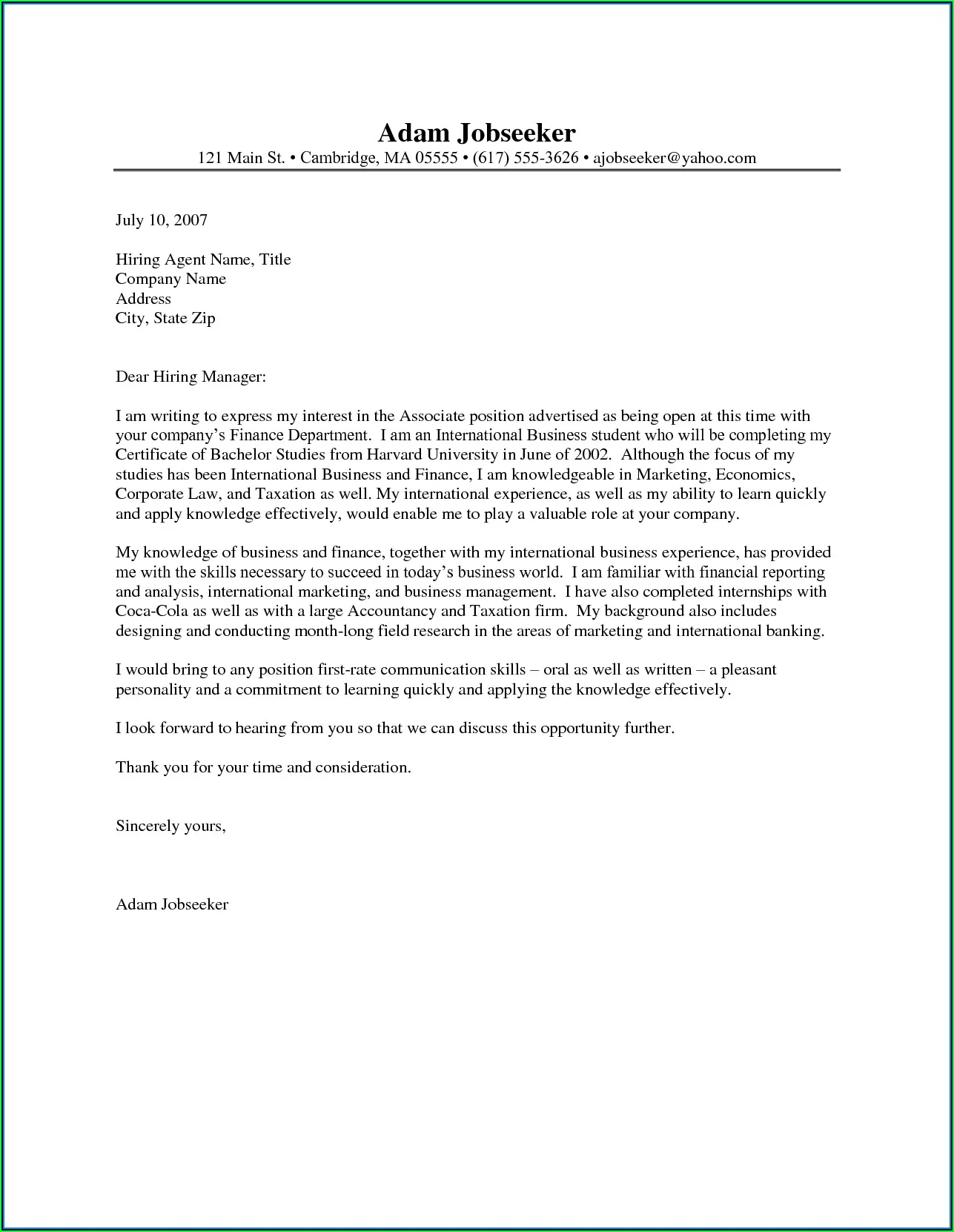
The visual presentation of your cover letter can significantly impact how it’s received. Formatting plays a crucial role in readability and professionalism. Keep your cover letter concise, typically one page in length, using a clean, easy-to-read font like Arial, Calibri, or Times New Roman with a font size between 10 and 12 points. Ensure adequate spacing between lines and paragraphs to avoid a cluttered appearance. Use clear headings and bullet points to organize information effectively, making it easier for the hiring manager to scan and grasp key points. Maintain consistent margins and alignment throughout the document for a polished look. Proofread meticulously to eliminate any typos or grammatical errors, as these can undermine your credibility. A well-formatted cover letter demonstrates attention to detail and professionalism, both of which are crucial qualities in the workplace. Investing time in formatting will pay dividends in how your application is perceived.
Keep It Concise and Focused

In the busy world of hiring, time is precious. Hiring managers often skim cover letters, so every word must count. Aim for a concise, focused cover letter, typically one page in length. Avoid lengthy paragraphs and unnecessary jargon. Get straight to the point, highlighting your most relevant qualifications and experiences. Focus on the key aspects of your skills and accomplishments that directly relate to the job description. Every sentence should serve a purpose, conveying valuable information about your suitability for the role. Use clear, straightforward language and avoid complex sentence structures. The goal is to provide a compelling overview of your qualifications in a way that is easy to read and understand. A concise and focused cover letter demonstrates respect for the hiring manager’s time and increases the likelihood that your application will receive thorough consideration.
Tailoring Your Cover Letter
Generic cover letters are a red flag. They signal a lack of attention to detail and a lack of genuine interest in the specific role or company. Always customize your cover letter for each application. Start by thoroughly researching the company and the specific job description. Identify the key requirements and tailor your letter to address them directly. Highlight the skills and experiences that are most relevant to the position and explain how your qualifications align with the company’s needs and values. Mentioning specific projects, initiatives, or aspects of the company that resonate with you demonstrates a deeper level of engagement. By taking the time to tailor your cover letter, you show that you are genuinely interested in the opportunity and that you have taken the effort to understand the company’s needs. This personalized approach significantly increases your chances of getting noticed and securing an interview, as it distinguishes you from candidates who submit generic applications.
Researching the Company
Thoroughly researching the company is an essential step in crafting a compelling cover letter. It’s a way to demonstrate your genuine interest and tailor your letter to the specific opportunity. Start by visiting the company’s website, exploring their “About Us” section, and reading recent news articles and press releases. Understand their mission, values, and recent achievements. Review their social media profiles, such as LinkedIn, to learn more about their culture and employee perspectives. This research allows you to identify key areas of interest and tailor your cover letter to reflect your understanding of the company’s goals and values. Mentioning specific projects, initiatives, or aspects of the company that resonate with you will demonstrate your enthusiasm and attention to detail. Research not only informs your writing but also equips you with valuable insights for your interview. This preparation showcases your proactive approach and positions you as a well-informed and engaged candidate.
Addressing the Hiring Manager

Whenever possible, address your cover letter to a specific person rather than using a generic greeting like “To Whom It May Concern.” Research the hiring manager’s name and title on LinkedIn or the company’s website. This personalization shows that you’ve taken the time to understand the company and are committed to making a positive impression. If you’re unable to find a specific name, you can use a more formal greeting like “Dear Hiring Manager” or, if you know the department, “Dear [Department Name] Team.” Avoid overly casual greetings, as they may come across as unprofessional. Addressing the hiring manager directly demonstrates initiative and attention to detail. It’s a small but impactful step that can significantly increase your chances of making a positive first impression and getting your application noticed.
Proofreading Your Cover Letter
Proofreading is an absolute must. Errors in your cover letter can undermine your credibility and make a negative first impression. Carefully proofread your cover letter multiple times, looking for any typos, grammatical errors, and inconsistencies. It helps to read your cover letter aloud, as this can help you catch errors that you might miss when reading silently. Consider having a friend, family member, or career advisor review your cover letter as well. A fresh pair of eyes can often spot mistakes that you might overlook. Ensure that the formatting is consistent and that all information is accurate, including the company name, job title, and contact information. By taking the time to proofread, you demonstrate attention to detail and professionalism, qualities that are highly valued in any workplace. A well-proofread cover letter gives the hiring manager confidence in your abilities and increases your chances of landing an interview.
Essential Elements of a Cover Letter
Every cover letter should include essential elements. Begin with your contact information, including your name, phone number, email address, and LinkedIn profile URL. Follow with a professional greeting, addressing the hiring manager by name whenever possible. The opening statement should immediately grab the reader’s attention, expressing your interest in the position and highlighting your most relevant skills or experiences. The body paragraphs should detail your qualifications, using specific examples to demonstrate your abilities and how they align with the job requirements. Finally, the closing should thank the hiring manager for their time and consideration and include a call to action, such as inviting them to contact you for an interview. A well-structured cover letter that includes these essential elements will make a compelling case for your candidacy.
Contact Information

At the top of your cover letter, provide your full name, phone number, email address, and LinkedIn profile URL. Ensure that your contact information is accurate and up-to-date. Use a professional-sounding email address. This information allows the hiring manager to easily reach you. Include your phone number, as this is a direct way to contact you and speed up the hiring process. Including your LinkedIn profile provides the hiring manager with additional context about your professional background and accomplishments. Make sure that your LinkedIn profile is up-to-date and portrays a professional image. Including all of this contact information helps make it easy for the hiring manager to contact you for interviews.
Professional Greeting
Start your cover letter with a professional greeting. Addressing the hiring manager by name is always the best approach, as it shows that you’ve taken the time to research the company and the position. If you can’t find the hiring manager’s name, use a general greeting like “Dear Hiring Manager” or “Dear [Department Name] Team.” Avoid overly casual greetings, such as “Hi” or “Hey,” as they can come across as unprofessional. A professional greeting sets the tone for your letter, making a positive first impression and demonstrating respect for the hiring manager’s time and effort. Your greeting matters because it helps start building a relationship with the hiring manager and makes them feel more connected to you and more engaged with your cover letter.
Opening Statement
Your opening statement should immediately grab the reader’s attention and express your interest in the position. Briefly state the job you’re applying for and how you found the opening. Then, highlight your most relevant skills or experiences that align with the job requirements. This is your chance to make a strong first impression and entice the hiring manager to read further. Consider mentioning a specific achievement or skill that makes you stand out. The goal is to make them want to learn more about you. A compelling opening statement sets the stage for the rest of your cover letter, showing the hiring manager why you are a great fit for the role.
Body Paragraphs

The body of your cover letter is where you provide the details about your qualifications, skills, and experience. Focus on the skills and experiences that align with the job requirements, using specific examples to demonstrate your abilities. Back up your claims with quantifiable results whenever possible. For example, rather than simply stating that you improved sales, provide the percentage increase you achieved. Use the STAR method (Situation, Task, Action, Result) to structure your examples, providing context, outlining the challenges you faced, detailing the steps you took, and highlighting the positive outcomes. Tailor each paragraph to address the specific requirements of the job. Keep your paragraphs concise and focused, ensuring that every sentence supports your argument. A well-crafted body section of your cover letter will make your application more compelling.
Closing and Call to Action
Your closing should thank the hiring manager for their time and consideration. Reiterate your interest in the position and express your enthusiasm for the opportunity. Include a call to action, inviting the hiring manager to contact you for an interview. You can also mention your availability for an interview. Keep your closing concise and professional. A strong closing leaves a positive final impression and encourages the hiring manager to take the next step in the hiring process. Your closing also provides a clear path for the hiring manager to contact you.
Common Cover Letter Mistakes
Avoiding common mistakes in cover letters is crucial for making a positive impression on potential employers. These mistakes can range from grammar and spelling errors to generic language. By understanding these common pitfalls, you can create a more effective cover letter that enhances your chances of success.
Grammar and Spelling Errors

Grammar and spelling errors can instantly undermine your credibility. Mistakes signal a lack of attention to detail and a lack of professionalism, which could lead the hiring manager to believe that you don’t care about the quality of your work. Thoroughly proofread your cover letter multiple times. Use a grammar checker to help catch mistakes, but don’t rely on it entirely. It’s essential to read your letter aloud to catch errors that you might miss when reading silently. Ask a friend or family member to review your letter for you. Ensure that all names, titles, and company information are correct. Taking the time to ensure that your cover letter is free from errors will boost your chances of getting noticed.
Generic Cover Letters
Submitting a generic cover letter is a common mistake that can quickly lead to your application being rejected. Generic letters lack personalization, and they fail to demonstrate that you understand the job and the company’s needs. A generic cover letter appears lazy. Always tailor your cover letter to each specific job you apply for. Research the company and the role. Highlight your relevant skills and experiences and explain how they align with the requirements of the job. Show your enthusiasm and express why you are interested in the company and the position. Personalization makes it obvious that you are interested in the specific role.
Ignoring Job Requirements
Ignoring the job requirements is another significant mistake. Carefully review the job description, and make sure your cover letter addresses all the required skills, experiences, and qualifications. If the job description requires specific software proficiency or experience in a particular industry, highlight your relevant skills and experiences. Failing to demonstrate how you meet these requirements could lead to your application being overlooked, no matter how qualified you are. Tailor your cover letter to match the needs outlined in the job posting. This shows that you have paid attention to the details and are a good fit for the position.