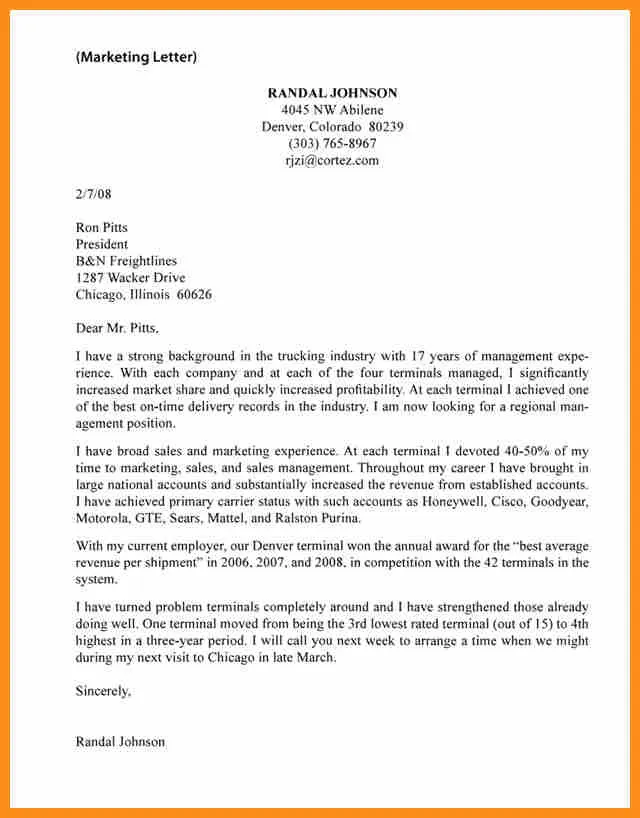
What Is a Cover Letter?
A cover letter is a crucial document that accompanies your resume when applying for a job. It serves as an introduction, allowing you to showcase your skills, experience, and enthusiasm for the position. Unlike a resume, which provides a factual overview of your qualifications, a cover letter allows you to tell a story, explaining why you are the perfect fit for the specific role and company. It’s your chance to make a strong first impression and persuade the hiring manager to read your resume and consider you for an interview. Writing a compelling cover letter is an essential part of a successful job application strategy.
Why a Cover Letter Matters
In today’s competitive job market, a well-crafted cover letter can be the difference between landing an interview and being overlooked. It allows you to highlight your unique qualities, demonstrate your understanding of the company and the role, and personalize your application. While a resume provides a snapshot of your past accomplishments, a cover letter allows you to connect those experiences to the specific requirements of the job. It shows the hiring manager that you’ve taken the time to research the company and understand their needs, demonstrating genuine interest. This attention to detail and personalized approach can significantly increase your chances of getting noticed.
Cover Letter Essentials

The core elements of a strong cover letter include a compelling opening, a concise and engaging body, and a confident closing. The opening should immediately grab the reader’s attention, clearly stating the position you’re applying for and why you’re interested. The body should highlight your most relevant skills and experiences, providing specific examples of your accomplishments. You should tailor this section to align with the job description and demonstrate how your qualifications meet the employer’s needs. The closing should reiterate your enthusiasm and include a call to action, such as requesting an interview. Proofread carefully and make sure all the important elements is included.
Highlighting Your Skills
When highlighting your skills, focus on the ones most relevant to the job. Review the job description carefully and identify the key skills the employer is seeking. Then, provide specific examples of how you’ve utilized those skills in the past. Use action verbs to describe your accomplishments and quantify your results whenever possible. For example, instead of saying “Managed projects”, you could say “Managed 5 projects simultaneously, delivering them on time and under budget, resulting in a 15% increase in efficiency.” Demonstrating your skills through concrete examples is far more impactful than simply listing them. This section can be easily improved by using Quizlet and other tools to help the user understand what the employer needs.
Showcasing Your Achievements
Focusing on your achievements, rather than just listing your responsibilities, is key to making your cover letter stand out. Quantify your accomplishments whenever possible to show the impact you’ve made in previous roles. Instead of saying “Improved customer service”, try “Improved customer satisfaction scores by 20% through the implementation of a new training program.” This provides concrete evidence of your capabilities and demonstrates your ability to deliver results. Use the STAR method (Situation, Task, Action, Result) to structure your examples, providing context, outlining the task, describing the actions you took, and highlighting the positive outcome. Make sure the language you are using is consistent and does not require the use of Quizlet for interpretation.
Tailoring Your Cover Letter

One of the biggest mistakes job seekers make is sending generic cover letters. Tailoring your cover letter to each specific job application is crucial. This involves researching the company, understanding the role’s requirements, and highlighting the skills and experiences most relevant to the position. Customizing your cover letter demonstrates your genuine interest in the opportunity and shows the hiring manager that you’ve taken the time to understand their needs. Use the job description as your guide and ensure your letter directly addresses the required qualifications and how you can meet them. This ensures you’re speaking their language and showing that you’re a good fit. Quizlet can be used in order to assist you on understanding the requirements for each job.
Researching the Company
Before writing your cover letter, research the company to show that you are prepared and passionate about the opportunity. Visit their website, read their “About Us” page, and explore their social media profiles. Understand their mission, values, and recent achievements. Tailor your cover letter to demonstrate your understanding of the company’s culture and how your skills and experience align with their goals. Mentioning specific projects, initiatives, or values that resonate with you shows that you’ve done your homework and that you’re genuinely interested in joining their team. This shows that you are invested in learning more, and will be an asset to the company.
Addressing Specific Requirements
Carefully review the job description and address each of the required qualifications in your cover letter. Use the same keywords and phrases used in the job posting to demonstrate that you meet the employer’s needs. Provide specific examples of how you’ve demonstrated these skills in the past. If the job requires experience with a specific software or tool, mention your proficiency and provide context for how you’ve used it. By directly addressing the requirements, you show the hiring manager that you understand what the role entails and that you possess the necessary skills to succeed. Making sure you highlight all the information required can be improved with the use of Quizlet and other tools.
Cover Letter Structure

A well-structured cover letter follows a clear and logical format. It typically includes an introduction, a body, and a conclusion. The introduction should state the position you’re applying for and how you found the opportunity. The body should highlight your relevant skills and experiences, providing specific examples of your accomplishments. The conclusion should reiterate your interest in the role and include a call to action, such as requesting an interview. Maintain a professional tone throughout the letter and use clear, concise language. Proper formatting, including appropriate font size, margins, and spacing, is essential for readability. Ensure everything is easy to read for the hiring manager.
Formatting Your Cover Letter
Formatting your cover letter correctly is just as important as the content. Use a professional font, such as Times New Roman, Arial, or Calibri, in a readable size (11 or 12 points). Maintain consistent margins (1 inch on all sides) and use single-spacing with a blank line between paragraphs. Include your contact information at the top of the letter, followed by the date and the employer’s contact information. Use clear headings and bullet points to break up large blocks of text and make your letter easy to scan. A well-formatted cover letter demonstrates attention to detail and professionalism. This also allows the reader to get the information needed.
Cover Letter Mistakes to Avoid
There are several common mistakes that can damage your chances of getting hired. Avoid using generic cover letters; tailor each one to the specific job. Don’t simply rehash your resume; provide additional context and highlight your achievements. Avoid typos, grammatical errors, and overly casual language. Don’t be negative or overly critical of previous employers. Don’t include irrelevant information or go on for too long. Keeping your cover letter concise and focused is key to making a positive impression on the hiring manager. Avoid mistakes by using different writing tools to ensure your cover letter is of the best quality. Using Quizlet can help you familiarize yourself with the job.
Common Cover Letter Errors

Common errors in cover letters include typos, grammatical mistakes, and poor formatting. Typos and grammatical errors can create a negative impression and suggest a lack of attention to detail. Poor formatting, such as inconsistent margins, font sizes, or spacing, can make your letter difficult to read. Other errors include using the wrong company name or job title, failing to tailor the letter to the specific role, and being overly generic. Proofreading your cover letter carefully and having a friend or colleague review it can help you catch these errors before you submit your application. Tools like Grammarly can also help you avoid these issues. Also, using Quizlet can ensure that you understand the role.
Proofreading and Editing Your Cover Letter
Proofreading and editing are crucial steps in the cover letter writing process. After writing your cover letter, take a break and then review it with fresh eyes. Check for typos, grammatical errors, and awkward phrasing. Ensure that the tone is professional and that the content is clear and concise. Read your letter aloud to catch any errors that you might miss when reading silently. Consider having a friend, family member, or career counselor review your cover letter for feedback. Getting a second opinion can help you identify areas for improvement and ensure your letter is polished and professional. Also, using various applications like Quizlet can improve the quality of your content.
Cover Letter Examples
Studying cover letter examples can provide valuable insights into effective writing. Look for examples that are tailored to the type of job you’re applying for and that showcase the qualities and skills employers are seeking. Pay attention to the structure, language, and tone of the examples. Note how the writers highlight their achievements and quantify their results. Analyze how they tailor their letters to the specific requirements of the job. Use the examples as inspiration, but be sure to adapt the content to reflect your own experiences and qualifications. Ensure that the information relates to you and the skills and experience that you have. Also, try using Quizlet to assist you with understanding the skills the employer requires.
Cover Letter Templates

Using cover letter templates can save you time and effort. Templates provide a basic structure and format that you can customize to fit your needs. However, be cautious about using generic templates without making significant modifications. Tailor the content to the specific job and company to demonstrate your genuine interest. Start with a template and then personalize it by adding your own skills, experiences, and accomplishments. Ensure that your cover letter is original and reflects your unique qualifications. There are many websites offering free and paid cover letter templates. Always edit the template so that the text is relevant for the job. The templates also help to show you what information is required. Quizlet can assist you in figuring out the skills.
Where to Find Examples
You can find cover letter examples online on websites like LinkedIn, Indeed, and career advice blogs. Many universities and colleges also provide cover letter examples and templates to their students and alumni. Search for examples that are relevant to your field or industry. Look for examples that are well-written, tailored to specific jobs, and demonstrate the qualities and skills employers are seeking. Compare different examples to identify best practices and learn from the strategies of successful job seekers. You can also find examples on job boards and in career guides. Using various tools can assist with content such as Quizlet.
Cover Letter Best Practices
Following best practices can significantly improve the effectiveness of your cover letter. Tailor your letter to each job application, highlighting the skills and experiences most relevant to the role. Use clear, concise language and a professional tone. Quantify your accomplishments whenever possible, and provide specific examples of your achievements. Proofread your letter carefully for typos, grammatical errors, and formatting issues. Keep your letter concise, typically no more than one page. Include a call to action, such as requesting an interview. By following these best practices, you can increase your chances of making a positive impression on the hiring manager and landing your dream job. Also using tools can ensure that the quality of your content is improved. Quizlet is one of the many useful tools available.