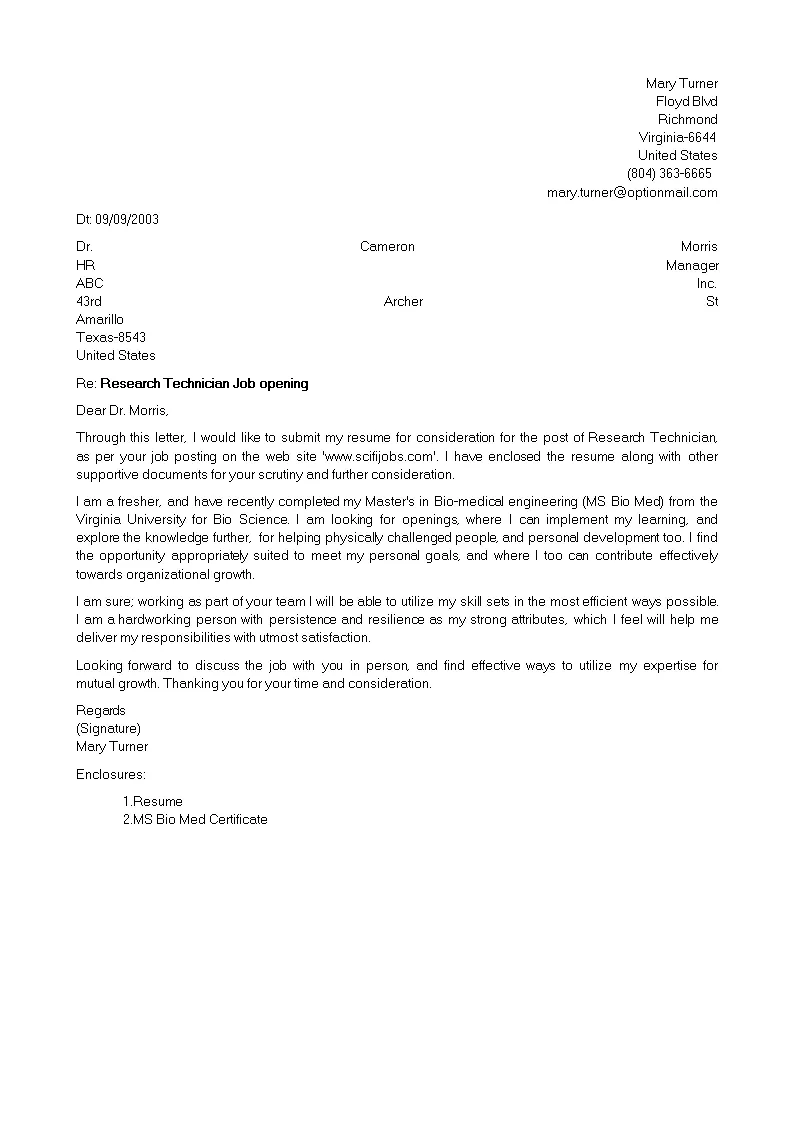
Why a Cover Letter Matters (Even with No Experience)
In the competitive job market, a cover letter can be your secret weapon, especially when you’re just starting out and lack direct work experience. It’s more than just a formality; it’s your opportunity to showcase your personality, passion, and potential. While your resume provides a snapshot of your qualifications, a cover letter allows you to tell your story, explaining why you’re the perfect fit for the role, even without a long list of previous jobs. It helps you make a personal connection with the hiring manager, demonstrating your genuine interest and enthusiasm. By highlighting your transferable skills, academic achievements, and any relevant volunteer work or projects, you can prove that you possess the necessary qualities and the drive to excel. A well-crafted cover letter can significantly increase your chances of getting noticed and securing an interview, giving you a crucial edge over other applicants.
Highlighting Transferable Skills (Cover Letter Focus)
When you lack traditional work experience, the key to a compelling cover letter lies in emphasizing your transferable skills. These are the skills you’ve gained from various experiences, such as academic projects, extracurricular activities, volunteer work, or even personal hobbies, that are relevant to the job you’re applying for. Transferable skills are abilities that can be applied across different roles and industries. They include communication, teamwork, problem-solving, time management, leadership, and critical thinking, among others. By identifying and showcasing these skills, you can demonstrate your capabilities and potential to employers, even if you’ve never held a formal job. Remember, employers want to see how you can contribute, and highlighting your transferable skills allows you to make a strong case for your suitability.
Identifying Your Skills

Begin by making a list of all the skills you possess. Think about the tasks you’ve performed in your previous experiences and what abilities you used to complete them. Consider both hard skills, like proficiency in a specific software or a foreign language, and soft skills, such as your ability to work in a team or manage your time effectively. Review the job description carefully and identify the skills the employer is looking for. Once you know the requirements, compare them to your list of skills to identify the ones that overlap. This will help you focus your cover letter on the most relevant skills, making your application more targeted and effective. Be honest about your abilities, and don’t be afraid to list skills that you’re still developing. The goal is to show that you are capable and eager to learn.
Providing Examples of Your Skills
Once you’ve identified your transferable skills, the next step is to provide specific examples of how you’ve used them. Instead of simply stating that you have good communication skills, describe a situation where you successfully used communication to achieve a specific outcome. For instance, you could explain how you led a team project, presented your ideas, or resolved a conflict. Use the STAR method (Situation, Task, Action, Result) to structure your examples, making them clear, concise, and impactful. By using examples, you provide concrete evidence of your abilities, making your cover letter more credible and persuasive. Quantify your achievements whenever possible. Instead of saying “I improved customer satisfaction,” say “I increased customer satisfaction scores by 15% through implementing a new feedback system.” This level of detail shows employers that you not only have the skills but can also deliver results.
Showcasing Your Enthusiasm and Motivation
Enthusiasm and motivation can set you apart from other candidates, especially when you lack direct experience. Your cover letter is the perfect place to express your passion for the role and the company. Show that you’ve done your research and understand the company’s mission, values, and recent projects. Explain why you’re drawn to this particular opportunity and what excites you about the prospect of working there. Demonstrate your eagerness to learn and contribute, highlighting your willingness to go above and beyond. Use positive and energetic language to convey your excitement. Avoid sounding generic or overly formal; instead, let your personality shine through. Make it clear that you’re not just looking for a job but are genuinely interested in the company and the specific role. A strong display of enthusiasm can leave a lasting impression on the hiring manager, even if your experience is limited.
Researching the Company and Tailoring Your Letter

Before you start writing your cover letter, dedicate time to researching the company and the specific role you are applying for. Visit the company’s website, read their “About Us” section, and explore their social media profiles. Understand their products or services, their target audience, and their company culture. Identify their values and priorities, as this will help you tailor your letter to resonate with the hiring manager. Understand the job description thoroughly. Analyze the responsibilities, required skills, and qualifications. Use this information to highlight the skills and experiences that align with the job requirements. Personalize your cover letter by addressing the hiring manager by name, if possible. Refer to specific projects, initiatives, or achievements of the company. This demonstrates that you have taken the time to learn about the company and are genuinely interested in the opportunity. Avoid sending generic cover letters; each letter should be customized to the specific job and company.
Understanding the Company’s Mission and Values
Understanding a company’s mission and values is crucial for crafting a compelling cover letter. The mission statement outlines the company’s purpose and goals, while the values represent the principles that guide their actions and culture. By aligning your skills and experiences with the company’s mission and values, you can demonstrate that you are a good fit and that you share their priorities. Look for keywords and phrases in the company’s mission and values statements that reflect the skills and qualities they value. Use these terms in your cover letter to highlight your relevant experiences and demonstrate your understanding of their culture. For example, if the company values teamwork, provide examples of your ability to work effectively with others. If they prioritize innovation, discuss your creative problem-solving skills. Tailoring your letter to the company’s mission and values shows that you are not just looking for a job but are eager to contribute to their success.
Tailoring the Letter to the Job Description
The job description is your roadmap to creating a successful cover letter. It outlines the specific skills, qualifications, and responsibilities the employer is seeking. Before you start writing, carefully analyze the job description and identify the key requirements. Make a list of the essential skills and experiences that the employer is looking for. Then, compare these requirements to your skills and experiences, highlighting the overlaps. Use the same keywords and phrases from the job description in your cover letter, but avoid simply copying and pasting. Instead, use the keywords naturally, showcasing your abilities and providing examples of how you’ve used them. For instance, if the job description mentions “project management skills,” provide examples of how you’ve managed projects successfully. Make sure to address all the key requirements outlined in the job description, ensuring that you cover all the relevant skills and experiences that make you a strong candidate. This targeted approach will demonstrate that you have the skills and qualifications needed to succeed in the role.
Structuring Your Cover Letter for Impact

A well-structured cover letter is easy to read and highlights your key qualifications effectively. The standard format includes an introduction, body paragraphs, and a conclusion. Your cover letter should be concise, typically one page. Use clear and concise language, avoiding jargon or overly complex sentences. Divide your cover letter into logical paragraphs, each focusing on a specific aspect of your qualifications. Use headings or subheadings to improve readability and help the hiring manager quickly grasp your key skills and experiences. Use bullet points to list your achievements or skills, making them stand out. Choose a professional font and maintain consistent formatting throughout your letter. A clean and organized layout shows that you pay attention to detail and can communicate effectively. Keep it focused on the job requirements and company needs.
Opening with a Strong Hook
The introduction is your chance to grab the hiring manager’s attention and make a positive first impression. Start with a strong hook that immediately shows your enthusiasm for the role and the company. Avoid generic opening lines like “I am writing to apply for the position of…” Instead, start with a statement that highlights your key skills, experiences, or your excitement about the opportunity. Briefly mention where you found the job posting or who referred you. Clearly state the position you are applying for. The introduction should be concise, no more than 3-4 sentences. The goal is to capture the reader’s interest and make them want to read the rest of your letter. Customize your introduction to fit the specific job and the company. Show that you understand the company’s needs and express your genuine interest in the opportunity. The right hook can set the tone for the entire letter and significantly increase your chances of getting noticed.
Crafting the Body Paragraphs Effectively
The body paragraphs are the heart of your cover letter, where you elaborate on your skills, experiences, and qualifications. Each paragraph should focus on a specific skill or experience, providing clear and concise examples of your accomplishments. Use the STAR method (Situation, Task, Action, Result) to structure your examples. Explain the situation, the task you were assigned, the actions you took, and the positive results you achieved. This method provides concrete evidence of your abilities. Quantify your achievements whenever possible, using numbers and data to demonstrate the impact of your work. For instance, instead of saying “I improved customer service,” say “I increased customer satisfaction scores by 15% by implementing a new customer feedback system.” Keep each paragraph focused and to the point. Avoid irrelevant information or rambling sentences. Tailor your body paragraphs to the job description, highlighting the skills and experiences that are most relevant to the role. Connect your skills to the company’s needs and demonstrate how you can contribute to their success.
Closing with a Call to Action

The conclusion is your final opportunity to reiterate your interest and leave a lasting impression. Summarize your key qualifications and express your enthusiasm for the opportunity. Reiterate why you are a great fit for the role and the company. End with a strong call to action, requesting an interview or expressing your eagerness to discuss your qualifications further. Make it clear that you are available for an interview and how they can contact you. Thank the hiring manager for their time and consideration. Proofread your conclusion carefully to ensure that it is free of errors. Use a professional and confident tone. Avoid sounding desperate or overly assertive. Keep your conclusion concise and to the point, reiterating your interest and encouraging the hiring manager to take the next step. A strong conclusion can significantly increase your chances of getting an interview, even if you lack direct experience.
Proofreading and Editing Your Cover Letter
Before submitting your cover letter, take the time to proofread and edit it carefully. Check for any grammatical errors, spelling mistakes, and punctuation errors. Ensure that your sentences are clear, concise, and easy to understand. Read your letter aloud to catch any awkward phrasing or unclear sentences. Ask a friend, family member, or career counselor to review your letter for feedback. They can provide a fresh perspective and identify any areas for improvement. Make sure your letter is formatted correctly and that the layout is professional. Pay attention to the font, margins, and spacing. Ensure that your contact information is correct and up to date. Proofreading and editing are crucial steps. A well-written and error-free cover letter demonstrates professionalism and attention to detail, increasing your chances of getting noticed and securing an interview.
In conclusion, crafting a compelling cover letter with no experience requires you to focus on transferable skills, demonstrate enthusiasm, research the company, and tailor your letter to the job description. By following these secrets, you can showcase your potential and significantly increase your chances of getting hired.