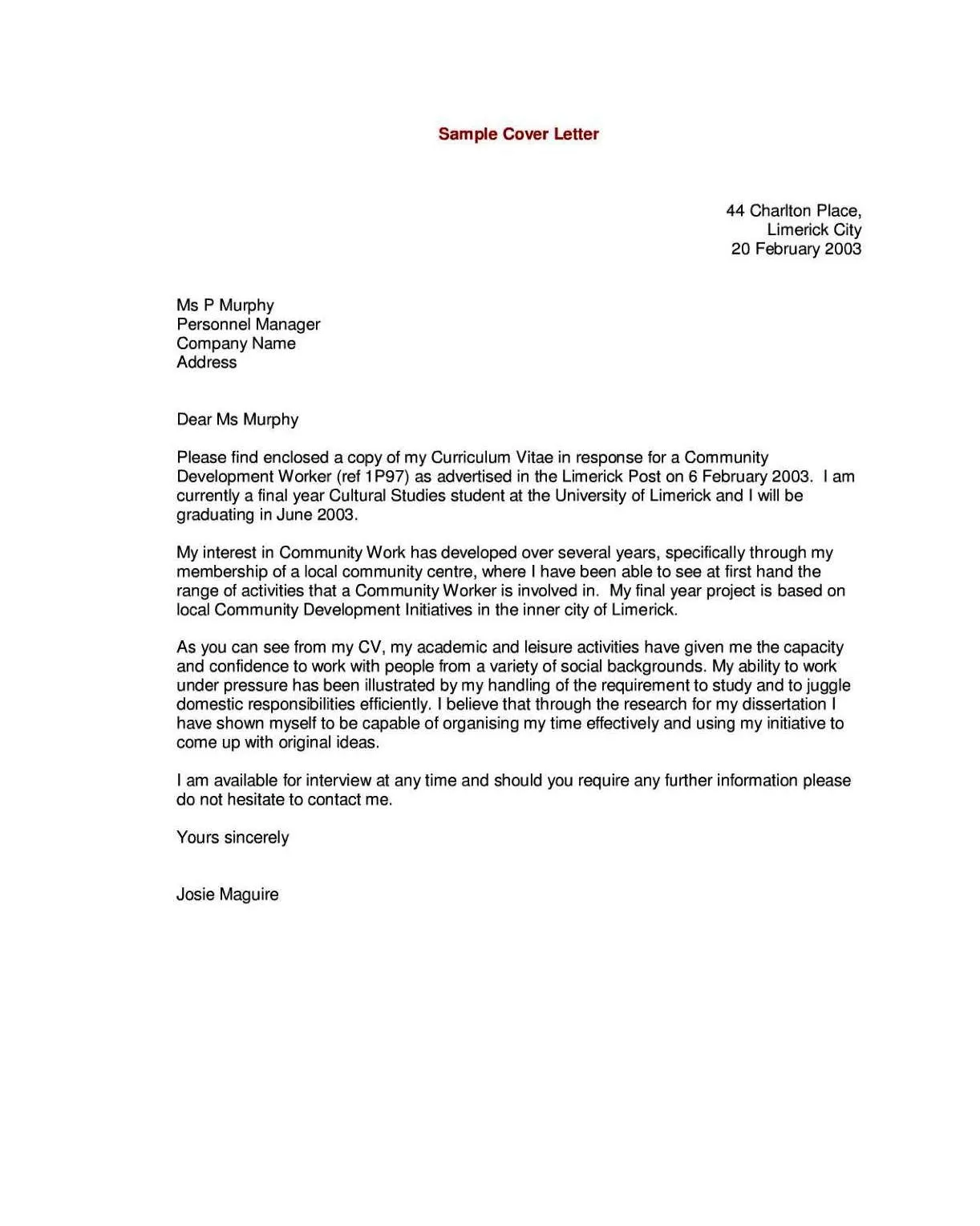
What is a Cover Letter (and Why Do You Need One)
A cover letter is your first introduction to a potential employer, an essential component of your job application package. Unlike your resume, which provides a factual account of your skills and experience, the cover letter allows you to inject personality, explain your career goals, and demonstrate your understanding of the role and the company. It provides context to your resume, connecting your skills and experience to the specific job requirements. A well-crafted cover letter can significantly increase your chances of landing an interview, while a weak one can land your application in the ‘reject’ pile. In essence, it’s your chance to make a memorable first impression and show why you’re the perfect fit. A great cover letter complements your resume and convinces the hiring manager to take the next step in the hiring process.
Key Components of an Effective Cover Letter
A compelling cover letter comprises several key elements, each playing a crucial role in conveying your qualifications and enthusiasm. The most important parts include your contact information and the date, the hiring manager’s information, a personalized salutation, an engaging opening paragraph, detailed body paragraphs highlighting your skills and experience and a compelling closing paragraph. You should tailor each of these components to the specific job you are applying for. The tone of your cover letter must be professional and enthusiastic. A professional tone projects competence, while an enthusiastic tone suggests you are eager about the prospect of working for the company. Remember, attention to detail and a professional demeanor is the key to a winning cover letter. Avoid generic templates and focus on making your letter unique to the job.
Header: Contact Information and Date

The header is the first thing the hiring manager sees, so ensure it’s clean and professional. It should include your full name, phone number, email address, and optionally, your LinkedIn profile URL. The date is crucial as it shows when you wrote the letter, typically placed just below your contact information. Use a formal date format (Month Day, Year). If you are sending the cover letter digitally, you don’t necessarily need the physical address, saving valuable space. Accurate contact information guarantees that employers can easily get in touch with you. Keep this section concise, clear, and easy to read, making sure you’re presenting yourself as organized and professional right from the start. Always double-check for any errors in your contact details before sending your application.
The Salutation: How to Address the Hiring Manager
Addressing the hiring manager by name significantly boosts your chances of making a positive impression. Research the company to find the name of the hiring manager or the recruiter responsible for the position. If you are unsure, a quick search on LinkedIn or the company website can provide this information. Avoid generic salutations like ‘Dear Sir/Madam’ or ‘To Whom It May Concern,’ as they make your application seem impersonal. A personalized salutation shows that you’ve taken the time to research and tailor your application. Use titles like ‘Mr.’, ‘Ms.’, or ‘Dr.’ followed by the person’s last name if known, to show respect. If you cannot find a specific name, ‘Dear Hiring Manager’ is an acceptable alternative. Always double-check the spelling of the name to show attention to detail.
The Opening Paragraph: Grab Their Attention
The opening paragraph is your chance to make a strong first impression and capture the reader’s attention. Start with a compelling hook that quickly establishes your interest in the position. Briefly mention the job you’re applying for and where you saw the job posting. Then, briefly state why you’re interested in the role and what excites you about the company or the opportunity. Highlight a key skill or achievement that aligns directly with the job requirements. This shows the hiring manager that you have a solid understanding of what they are looking for and that you have something valuable to offer. Avoid generic statements, and make sure the opening is tailored to the specific job and company. Aim to create a strong first sentence and make the reader want to read the rest of your letter.
Highlighting Your Skills and Experience

The body of your cover letter is where you showcase your skills and experience, demonstrating why you are a great fit for the role. Focus on the most relevant experiences and skills outlined in the job description. Provide specific examples of your accomplishments, using the STAR method (Situation, Task, Action, Result) to illustrate your contributions. Quantify your achievements whenever possible, using numbers and data to demonstrate your impact. Tailor your skills and experience to match the job requirements, and avoid simply restating your resume. Instead, elaborate on specific experiences, explaining what you did and how your actions benefited your previous employers. Link your past experiences to the job requirements to clearly show how your skills align with the position’s needs.
Tailoring Your Letter to the Job Description
Customization is essential for an impactful cover letter. Avoid using a generic cover letter template for every application. Review the job description carefully, noting the key skills, qualifications, and requirements the employer is looking for. Then, tailor your cover letter to address these specific points. Use the same keywords and phrases from the job description when discussing your skills and experiences. This demonstrates to the hiring manager that you understand their needs and that you possess the qualities they are seeking. Show that you’ve done your research by referencing the company’s mission, values, or recent projects to demonstrate your interest in the organization. Personalizing your letter indicates that you are genuinely interested in the role and have invested time and effort into your application.
Quantifying Your Achievements
One of the most effective ways to make your cover letter stand out is by quantifying your achievements. Rather than making vague claims about your skills, use numbers, percentages, and data to demonstrate your impact. For example, instead of saying, ‘Improved customer satisfaction,’ you could say, ‘Increased customer satisfaction scores by 15%.’ Show the value you brought to previous employers by quantifying your accomplishments. Whenever possible, include metrics like sales figures, cost savings, project completion rates, or any other measurable results that showcase your success. These quantifiable details provide concrete evidence of your abilities and make your cover letter more compelling and persuasive. They demonstrate that you deliver tangible results and can positively contribute to the new company’s goals.
Demonstrating Your Enthusiasm for the Company

Showcasing your enthusiasm for the company and the position is crucial for capturing the hiring manager’s attention. Go beyond simply stating that you are interested in the job. Research the company, its values, mission, recent news, and projects. Mention specific aspects of the company that resonate with you and explain why you want to be a part of their team. Connect your skills and experiences to the company’s goals and demonstrate how you can contribute to their success. For example, if the company is known for innovation, highlight any innovative projects you’ve been involved in. Showing genuine excitement for the company’s work and culture can help differentiate you from other candidates and make a lasting impression. Your enthusiasm should be obvious from the beginning of the cover letter.
The Closing Paragraph: Call to Action
The closing paragraph is your final opportunity to reinforce your interest and prompt the hiring manager to take action. Reiterate your enthusiasm for the role and express your confidence that your skills and experience align with the company’s needs. End with a clear call to action, stating your availability for an interview and how you can be contacted. Thank the hiring manager for their time and consideration. Avoid generic phrases; instead, maintain a professional and enthusiastic tone. This final touch leaves a lasting impression and encourages the hiring manager to move forward with your application. The call to action is a crucial part of the cover letter, signaling your eagerness for the next stage of the hiring process.
Proofreading and Formatting Your Cover Letter
Before submitting your cover letter, it’s essential to proofread it meticulously for any errors in grammar, spelling, and punctuation. Errors can undermine your credibility and make a negative impression on the hiring manager. Take the time to carefully review your cover letter multiple times. Consider using spell-check and grammar-check tools, but don’t rely on them entirely. Proofread the letter yourself to catch any subtle errors that software might miss. Ask a friend, family member, or career counselor to review your cover letter for feedback. A fresh pair of eyes can often spot errors that you might have overlooked. A well-formatted and error-free cover letter demonstrates professionalism and attention to detail, making a strong positive impression.
Formatting Your Cover Letter for Readability

Formatting your cover letter for readability is just as important as the content. Use a clean, professional font like Arial, Times New Roman, or Calibri, and keep the font size between 10 and 12 points. Use clear, concise language and short paragraphs to make it easy for the hiring manager to read and understand your points. Make sure to include enough white space to avoid a cluttered appearance. Use consistent formatting throughout the document, including margins and line spacing. Avoid overly complex designs, colors, or graphics that could distract from your message. The goal is to create a visually appealing document that is easy to read and highlights your key qualifications. Proper formatting ensures that your cover letter is professional, easy to navigate, and makes a good first impression.
Common Cover Letter Mistakes to Avoid
Many common mistakes can hurt your chances of getting an interview. Avoid generic cover letters; always tailor your letter to the specific job and company. Do not simply repeat your resume; use the cover letter to expand on your achievements and provide additional context. Avoid typos and grammatical errors; proofread carefully before submitting your application. Don’t be negative or mention anything negative about previous employers or experiences. Do not use overly formal or informal language; maintain a professional tone throughout. Avoid clichés and generic phrases, and focus on being specific and concise. Ensure your cover letter is not too long; aim for one page maximum. By avoiding these common pitfalls, you can significantly improve your cover letter and increase your chances of landing an interview.