Why is a Cover Letter Important?
In the competitive world of job applications, a cover letter is your first opportunity to make a strong impression. Far from being a mere formality, a well-crafted cover letter serves as your personal introduction to a potential employer. It offers you a crucial platform to articulate your interest in the specific role, highlight your relevant skills and experiences, and showcase your personality and enthusiasm. Without a compelling cover letter, your resume may not even get a second glance. This document is often the deciding factor in whether your application moves forward or gets sidelined. It’s your chance to differentiate yourself from other applicants and to explain why you are uniquely suited for the position.
The Role of a Cover Letter in Your Job Application
The role of a cover letter extends beyond simply repeating the information in your resume. Instead, it should provide context and depth to your qualifications. It enables you to frame your experience in a way that directly aligns with the requirements of the job. A cover letter demonstrates your ability to communicate effectively, a skill highly valued by employers. It’s your chance to explain any gaps in your employment history, clarify your career goals, and demonstrate your knowledge of the company and the position. A well-written cover letter personalizes your application, making you more than just a collection of skills and experiences on paper. It shows that you have taken the time to understand the company and the specific role you’re applying for.
Highlighting Your Skills and Experience

Your cover letter is the ideal place to showcase the skills and experiences most relevant to the job you are applying for. Don’t just list your skills; illustrate them with concrete examples. Use the STAR method (Situation, Task, Action, Result) to describe how you’ve used your skills to achieve specific outcomes in previous roles. This method helps employers understand your capabilities and how you can apply them to their company. Quantify your achievements whenever possible. For example, instead of saying ‘Managed social media accounts,’ state ‘Increased social media engagement by 30% in six months.’ This provides tangible evidence of your abilities and makes your application more compelling. Tailor your skills section to match the keywords and requirements listed in the job description.
Showcasing Your Personality and Enthusiasm
A cover letter is not just about qualifications; it’s also about personality. It gives you a chance to inject your enthusiasm for the role and the company. Show that you’ve done your research by mentioning something specific that excites you about the position or the organization. Use a professional but engaging tone. Avoid sounding generic or robotic; instead, let your passion shine through. Demonstrate that you are not just applying for any job but for this job. Express your genuine interest in the company’s mission, values, or recent accomplishments. This shows that you are invested in their success. This can set you apart from other applicants who may be sending out generic applications.
Cover Letter Structure Crafting a Compelling Letter
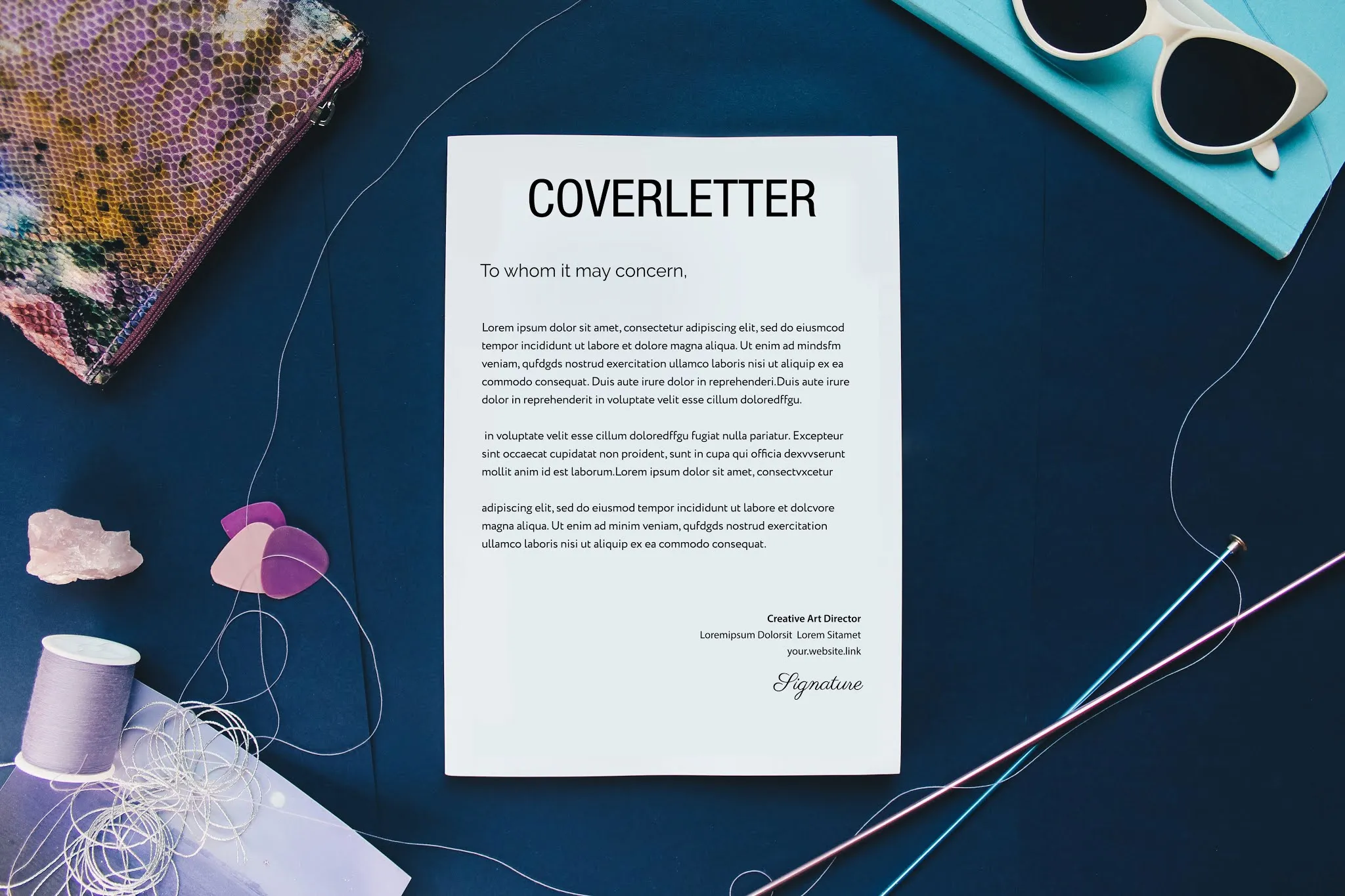
A well-structured cover letter is easy to read and makes a positive impression on the hiring manager. A clear, logical format helps you convey your message effectively. Following a standard structure ensures you include all the necessary information and present yourself in the best possible light. A well-organized letter shows attention to detail and professionalism.
Header Contact Information and Date

The header should include your full name, address, phone number, and email address. Ensure that your email address is professional. Below your contact information, include the date. If you know the hiring manager’s name, include it in the salutation; otherwise, use a general greeting like ‘Dear Hiring Manager.’
Greeting and Opening Paragraph
Start your cover letter with a professional greeting. Then, immediately state the position you are applying for and where you found the job posting. The opening paragraph should briefly explain why you are interested in the role and the company. Make it clear that you’ve done your homework and are genuinely excited about the opportunity. This sets a positive tone from the start.
Body Paragraphs Highlighting Key Qualifications
The body paragraphs are the meat of your cover letter. This is where you delve into your qualifications, skills, and experiences. Focus on the requirements outlined in the job description and provide specific examples of how you have met them. Use the STAR method to describe your accomplishments and quantify your results whenever possible. This is your chance to connect your past experiences with the needs of the current role. Keep each paragraph concise and focused, making sure each point directly relates to the job requirements.
Closing Paragraph Call to Action

In your closing paragraph, reiterate your interest in the position and the company. Thank the hiring manager for their time and consideration. Include a call to action, such as stating that you are available for an interview and look forward to discussing your qualifications further. This leaves a lasting positive impression and encourages the hiring manager to take the next step.
Formatting and Tone Making Your Cover Letter Shine
The way you format your cover letter and the tone you use can significantly impact how it is received. A well-formatted letter is easy to read, and a professional tone conveys confidence and competence. Attention to detail in formatting shows that you care about presenting yourself in the best possible light.
Formatting Guidelines
Use a clean, easy-to-read font such as Times New Roman, Arial, or Calibri, with a font size between 10 and 12 points. Maintain consistent formatting throughout the document. Use single spacing for the body of the letter and double spacing between paragraphs. Align your text to the left and avoid justifying it. Use appropriate margins (1 inch on all sides) to make the letter visually appealing and easy on the eyes. Proofread carefully for any formatting inconsistencies.
Tone and Language Keeping it Professional

Adopt a professional, yet approachable tone. Avoid overly casual language or slang. Use formal language and correct grammar. Be enthusiastic about the opportunity, but avoid sounding desperate or overly familiar. The tone should reflect your personality while maintaining a level of professionalism appropriate for the workplace. Use active voice and strong verbs to make your writing more impactful and engaging. Proofread meticulously to ensure there are no grammatical errors or typos that could detract from your professionalism.
Common Mistakes to Avoid
Avoiding common mistakes is crucial for making a positive impression on the hiring manager. Several errors can significantly undermine the effectiveness of your cover letter, leading to its rejection. Be mindful of these pitfalls and take steps to avoid them.
Generic Cover Letters
Submitting a generic cover letter that could be sent to any company is one of the biggest mistakes you can make. Generic letters lack personalization and fail to demonstrate that you’ve taken the time to understand the specific role and the company’s needs. Always tailor your cover letter to each job application. Research the company and the role, and highlight how your skills and experiences align with their requirements. Show that you are specifically interested in this job, not just any job.
Typos and Grammatical Errors

Typos and grammatical errors are immediate red flags that can undermine your credibility. These errors suggest a lack of attention to detail and can make you appear unprofessional. Always proofread your cover letter carefully. Use a grammar checker, but also read the letter aloud to catch any errors that might be missed otherwise. Have a friend or family member review your letter as a second pair of eyes often catches mistakes that you might miss.
Lengthy and Unfocused Content
A cover letter that is too long or lacks focus can lose the reader’s attention. Aim for a concise and focused letter, typically one page in length. Ensure that every sentence contributes to the overall message and directly relates to the job requirements. Avoid including irrelevant information or rehashing your resume. The goal is to highlight your most relevant qualifications and demonstrate your enthusiasm, not to provide a comprehensive overview of your entire work history.
Tailoring Your Cover Letter for Each Application
Customizing your cover letter for each job application is essential. This demonstrates your genuine interest in the role and increases your chances of success. Generic cover letters often get discarded quickly because they show a lack of effort and interest.
Researching the Company and Role

Before you start writing, thoroughly research the company and the specific role. Visit the company’s website, read their ‘About Us’ section, and review their social media profiles to understand their mission, values, and recent activities. Carefully analyze the job description to identify the key requirements and desired skills. Understanding the company’s culture and the role’s specific needs will allow you to tailor your letter to their expectations.
Customizing Your Letter
Once you have a good understanding of the company and the role, customize your cover letter to address the specific needs of the job. Highlight the skills and experiences that are most relevant to the position. Use keywords from the job description in your letter. Mention how your qualifications align with the company’s values or how you can contribute to their goals. Show that you have taken the time to understand their needs and that you are genuinely interested in the opportunity. This level of personalization will set your application apart from others.
Cover Letter Examples Learn from the Best
Studying cover letter examples can provide inspiration and guidance as you write your own. Examining well-crafted letters helps you understand how to effectively structure your content, highlight your qualifications, and showcase your personality. Use these examples to learn from the best practices.
Example 1 Entry-Level Position

For entry-level positions, focus on your academic achievements, internships, and any relevant volunteer work. Highlight your skills, such as communication, teamwork, and problem-solving, and provide concrete examples. Show enthusiasm for the role and the company, demonstrating your willingness to learn and contribute.
Example 2 Experienced Professional
Experienced professionals should emphasize their accomplishments and quantify their results whenever possible. Highlight your relevant skills, experience, and leadership abilities. Tailor your letter to demonstrate how your experience aligns with the specific requirements of the job. Mention your understanding of the company’s industry and goals and express your enthusiasm for the opportunity to contribute to their success.
Example 3 Career Change
When changing careers, explain your reasons for the shift and highlight any transferable skills. Connect your previous experiences to the requirements of the new role. Focus on the value you can bring to the company, even if your background is in a different field. Show that you have researched the industry and the company, and express your eagerness to learn and adapt to the new role.