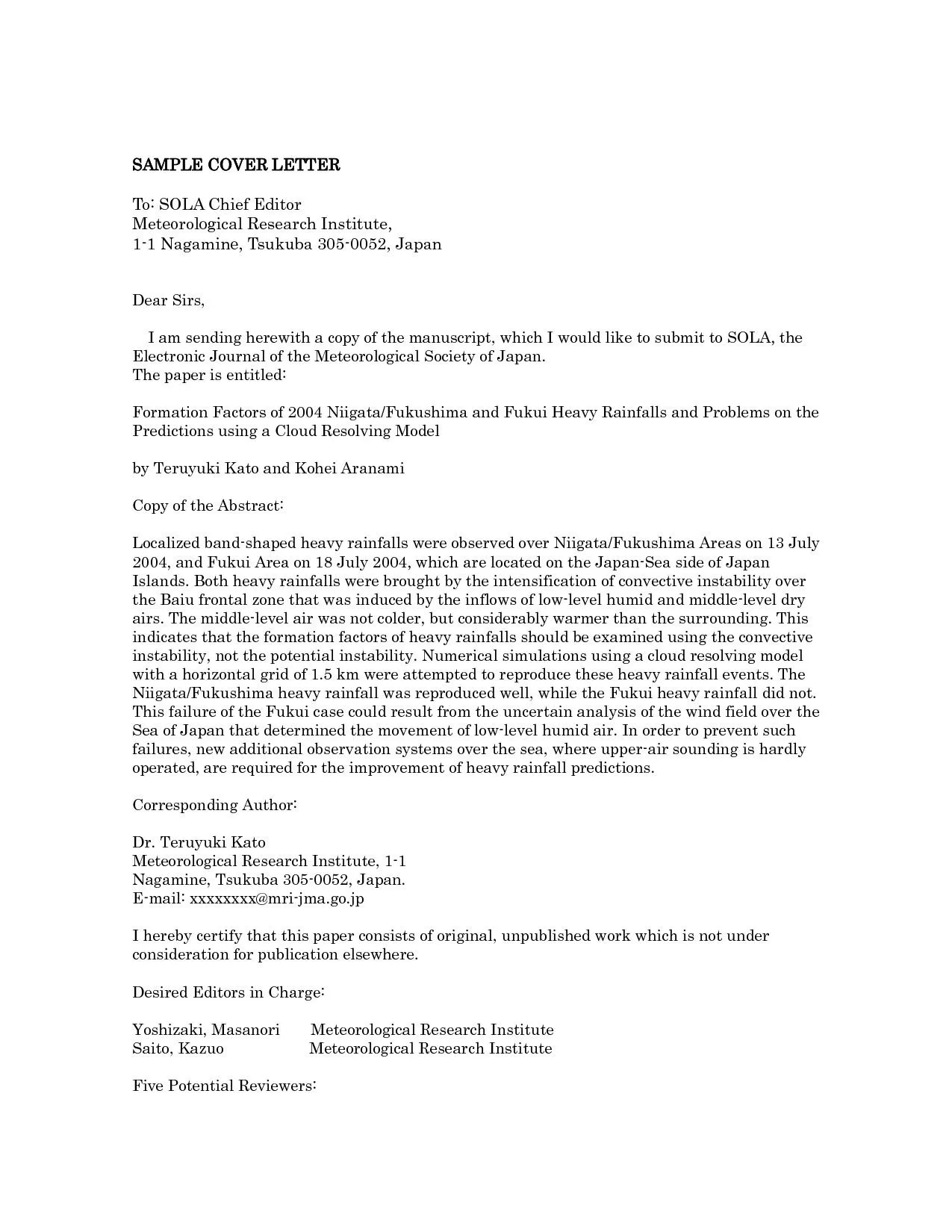
Crafting a Compelling Cover Letter
A well-crafted cover letter is your first introduction to the journal editors and reviewers, making it a critical tool in the publication process. It’s your opportunity to make a strong first impression, showcase your research, and persuade the editors that your work is worthy of publication. Unlike a resume or CV, the cover letter allows you to provide context, explain the significance of your findings, and highlight your suitability for the specific journal. Therefore, mastering the art of the cover letter can significantly increase your chances of getting published. This guide provides insights into the secrets of writing cover letters that grab attention and ensure your research is noticed.
Understanding the Purpose of a Cover Letter
The primary purpose of a cover letter is to introduce your manuscript, explain its significance, and convince the journal editors that your research is a good fit for their publication. It serves as a bridge between your work and the journal’s audience and scope. A compelling cover letter goes beyond a simple introduction it highlights the key findings, explains the research’s contribution to the field, and demonstrates the importance of your work. It also provides an opportunity to address any potential issues or concerns the editors might have regarding the manuscript, such as ethical considerations or conflicts of interest. The cover letter should also be used to highlight the key arguments or the core message you want to convey.
Highlighting Your Research Experience

Your cover letter is the perfect place to showcase your research experience and expertise. This involves briefly mentioning any relevant projects, collaborations, or grants that support your study. Discussing your past research provides context and builds credibility. For instance, you may mention if your research builds on your previous studies or is part of a larger research program. Furthermore, emphasize your familiarity with the subject area and your ability to conduct and present high-quality research. If you have any relevant publications or presentations, this is the place to mention them. This section should focus on demonstrating your competence and experience in the field to add more weight to the content.
Showcasing Your Writing Skills
Excellent writing is essential for a successful publication, and your cover letter is a prime example of your writing skills. Use clear, concise language and well-structured sentences to effectively convey your ideas. Ensure your cover letter is free of grammatical errors, typos, and jargon that could confuse the readers. Consider using active voice to make your writing more direct and engaging. Furthermore, tailor the language to the specific journal’s style and audience. Demonstrating your ability to write clearly and persuasively in the cover letter shows editors that your manuscript is likely to be well-written and accessible to their readers. This skill is crucial for making your manuscript more appealing.
Formatting and Structure
Proper formatting and structure are essential for a professional and easy-to-read cover letter. Start with your contact information, the date, and the recipient’s information. Use a clear and professional font, such as Times New Roman or Arial, and maintain a consistent font size throughout the document. Divide your cover letter into distinct paragraphs, each focusing on a specific aspect of your manuscript or your qualifications. Keep the cover letter concise, ideally within one page. Use headings and subheadings to organize the content logically and make it easier for the editors to quickly grasp the key points. A well-formatted cover letter enhances readability and makes a positive first impression.
Essential Elements of a Cover Letter

Contact Information and Salutation
Begin your cover letter with your contact information, including your name, affiliation, email address, and phone number. This ensures the editors can easily reach you if needed. Next, address the editor or the appropriate person by name if possible; this demonstrates your attention to detail and personalization. If you don’t know the editor’s name, use a generic greeting like “Dear Editor” or “Dear Editorial Team.” Avoid generic greetings, as they do not make a good impression. Always ensure that you are providing the correct details and the appropriate salutation to the recipient.
Opening Paragraph Capturing Attention
The opening paragraph sets the tone for your cover letter, and it is crucial that you capture the editor’s attention. State the purpose of your letter immediately, mentioning the title of your manuscript and the journal to which you are submitting. Briefly summarize your study’s main findings or its most significant contribution to the field. Indicate why the journal is the ideal venue for your research, aligning your work with the journal’s scope and audience. Your opening paragraph should generate interest and encourage the editors to read the rest of your letter and review your manuscript.
Body Paragraphs Highlighting Achievements

The body paragraphs provide a deeper dive into your research, highlighting your most significant achievements and contributions. Explain the main findings of your study and emphasize their importance to the field. Discuss the methodology, ensuring it aligns with the journal’s standards. Point out any unique aspects of your research, such as novel methods, innovative approaches, or significant results. Address any potential concerns the editors might have, such as ethical considerations or conflicts of interest. Demonstrate how your research aligns with the journal’s aims and scope, and explain why it is relevant to the journal’s audience. This section should provide a clear understanding of the value of your research.
Closing Paragraph and Call to Action
The closing paragraph should summarize your main points and reiterate your enthusiasm for publishing in the journal. Express your confidence that your manuscript will be of interest to the journal’s readers and that it fits well with the journal’s goals. Thank the editors for their time and consideration, and include a clear call to action. Request that they review your manuscript and welcome any questions they may have. Provide your contact information and state that you are available for any clarifications. End with a professional closing, such as “Sincerely” or “Best regards,” followed by your name.
Tailoring Your Cover Letter
Matching Your Letter to the Journal

Customizing your cover letter for each journal is crucial for demonstrating that you understand their specific aims and audience. Before submitting your manuscript, carefully review the journal’s guidelines and website. Familiarize yourself with the journal’s scope, the types of articles they publish, and the style they prefer. Reference specific articles published in the journal to show your understanding of their focus and how your work aligns with their interests. Tailor your language, tone, and the information you highlight to align with the journal’s unique characteristics. This personalization significantly improves your chances of publication and showcases your attention to detail.
Emphasizing Relevance and Fit
When tailoring your cover letter, make sure to emphasize the relevance of your research to the journal’s audience and scope. Explain how your study contributes to the existing literature and aligns with the journal’s mission. Highlight any specific aspects of your research that make it particularly relevant to the journal’s focus. If your work builds on previous publications in the journal or addresses a topic of particular interest to their readership, make sure to mention this. By demonstrating a clear fit between your research and the journal, you increase the likelihood that the editors will recognize the value of your manuscript and consider it for publication.
Keywords and Their Importance
Use keywords in your cover letter that reflect your research topic and are also relevant to the journal’s focus. Keywords help editors quickly understand the subject of your manuscript and ensure it aligns with their areas of interest. Review the journal’s guidelines to identify the keywords they recommend. Integrate these keywords naturally into your cover letter, particularly in the introduction, body paragraphs, and abstract (if you are including one). Strategic use of keywords increases the visibility of your cover letter and improves your chances of capturing the editors’ attention. Make sure the keywords represent your research effectively.
Common Mistakes to Avoid

Generic Cover Letters
One of the most significant mistakes is using a generic cover letter that is not tailored to the specific journal. Generic letters show a lack of effort and a lack of interest in the journal. Each journal has its own unique focus, audience, and style. Customize your cover letter for each submission, referencing the journal’s aims, scope, and specific articles. Demonstrate that you understand the journal’s mission and that your research is a good fit for their publication. Customization is important to create a positive first impression and increase the likelihood of acceptance.
Typos and Grammatical Errors
Typos and grammatical errors can severely damage your credibility and make a negative impression on the editors. Your cover letter is a professional document, and any errors can be perceived as a sign of carelessness or lack of attention to detail. Always proofread your cover letter carefully before submission. Use spell-check and grammar-check tools to identify and correct any mistakes. Consider having a colleague or mentor review your letter for any errors that you may have missed. A polished, error-free cover letter reflects well on your professionalism and increases the likelihood of your manuscript being taken seriously. This is key to the publication process.
Ignoring Instructions

Failing to follow the journal’s specific instructions is another common error that can lead to rejection. Most journals have strict guidelines for cover letters, including formatting requirements, word limits, and the information they expect to see. Always read and adhere to these guidelines. This demonstrates your respect for the journal and your attention to detail. If you have any questions about the guidelines, contact the journal’s editorial team for clarification. A cover letter that complies with the journal’s instructions is more likely to be reviewed favorably.
Proofreading and Reviewing Your Cover Letter
Seeking Feedback
Seeking feedback from colleagues, mentors, or writing experts is an important step in ensuring your cover letter is polished and effective. Ask experienced researchers to review your letter and provide constructive criticism. Ask them to look for clarity, conciseness, and the overall impact of your letter. Their feedback can help you identify areas for improvement, such as unclear language or missing information. Be open to suggestions and willing to revise your letter based on their input. Getting a fresh perspective can significantly improve your cover letter and increase your chances of publication.
Using Proofreading Tools
Utilize proofreading tools to ensure your cover letter is free of errors. Spell-check and grammar-check tools can identify typos, grammatical errors, and stylistic inconsistencies. However, these tools are not foolproof, so always review the results carefully. Consider using more advanced tools that can check for readability, clarity, and overall tone. These tools can also help you identify any potential issues with your writing. In addition to using these tools, you should always proofread your cover letter manually. By combining these methods, you can produce a well-written and polished cover letter.