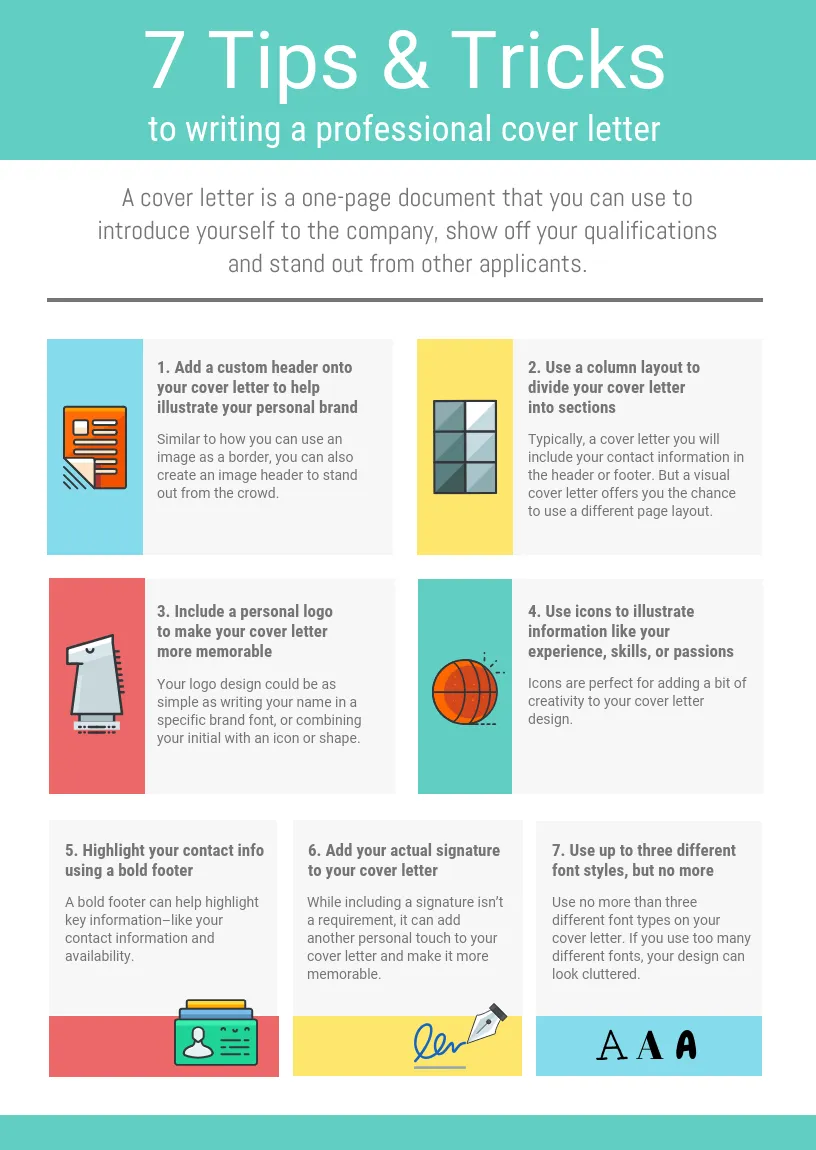
What is a Cover Letter?
A cover letter is a crucial document accompanying your resume when applying for a job. It serves as your introduction to the hiring manager, offering a chance to showcase your personality, skills, and interest in the specific role and company. It’s a formal letter tailored to the particular job you’re applying for, and allows you to provide more context and detail than your resume alone.
The Importance of a Cover Letter
In today’s competitive job market, a well-crafted cover letter can make all the difference. It’s your opportunity to distinguish yourself from other candidates by demonstrating a genuine interest in the position and the organization. Many employers consider a cover letter essential, using it to assess your communication skills, writing ability, and overall suitability for the role. A strong cover letter increases your chances of getting an interview.
Cover Letter vs Resume

While your resume provides a concise overview of your work history, skills, and education, the cover letter allows you to elaborate on your qualifications and connect them to the specific requirements of the job. Your resume lists facts; your cover letter tells a story. The cover letter explains why you are interested in the role and company. The resume doesn’t show your personality but the cover letter does.
How to Write a Cover Letter to Get Hired
Writing a cover letter that grabs attention requires careful planning and execution. The goal is to capture the hiring manager’s interest quickly and make them want to learn more about you. Start with a compelling opening, highlight your relevant skills and experience, and express your enthusiasm for the opportunity. Show, don’t just tell, and always tailor your letter to the specific job and company. The following tips will help you in crafting the perfect cover letter to get hired.
Research the Company Before Writing
Before you start writing, research the company and the specific role you’re applying for. Understand their mission, values, and recent projects. This research will enable you to tailor your cover letter to demonstrate your understanding of the company’s needs and show how your skills and experience align with their goals. You can often find this information on the company’s website, social media profiles, and industry news sources. This shows that you are genuinely interested in their company.
Use Keywords From The Job Description

Carefully review the job description and identify the key skills and keywords the employer is looking for. Incorporate these keywords naturally throughout your cover letter. This will help your application pass through applicant tracking systems (ATS) and ensure that your cover letter aligns with the employer’s requirements. However, avoid keyword stuffing; the letter should still read naturally and showcase your unique qualifications.
Customize Your Cover Letter
Never send a generic cover letter. Each cover letter should be tailored to the specific job you are applying for. Highlight the skills and experiences most relevant to the role. This shows the hiring manager that you have taken the time to understand their needs and are genuinely interested in the opportunity. Customization helps your letter stand out from the crowd and demonstrates your attention to detail. Always adapt your cover letter to each specific opportunity, making it relevant to the role.
Highlight Your Skills and Experience
Your cover letter is your chance to elaborate on the skills and experiences listed in your resume. Provide specific examples that demonstrate how you’ve successfully used your skills in past roles. Quantify your achievements whenever possible, using numbers and data to showcase your impact. For instance, instead of saying you ‘increased sales,’ mention by how much and in what time frame. Focus on the accomplishments and results that align with the job requirements.
Show Your Enthusiasm

Express your genuine enthusiasm for the opportunity and the company. Explain why you’re interested in the role and what attracts you to the organization’s mission or values. This enthusiasm can make a significant impact on the hiring manager, conveying that you’re not just looking for a job but are passionate about the work. A passionate cover letter makes your application stand out from the rest.
Cover Letter Formatting Tips
The format of your cover letter is just as important as its content. A well-formatted cover letter is easy to read and reflects your attention to detail. Use a professional font like Times New Roman, Arial, or Calibri, and maintain a consistent font size. Properly format your cover letter with a clear structure, including a header with your contact information, a professional salutation, a body with concise paragraphs, and a professional closing. Keep the letter concise, aiming for one page or less.
Use a Professional Tone
Maintain a professional and formal tone throughout your cover letter. Avoid slang, jargon, and overly casual language. Use proper grammar, spelling, and punctuation. Address the hiring manager by name whenever possible and use a respectful salutation and closing. This demonstrates your professionalism and attention to detail.
Keep it Concise

Your cover letter should be concise and to the point. Hiring managers often have limited time to review applications, so it’s crucial to make your points clearly and efficiently. Aim for a length of one page and focus on the most relevant information. Each paragraph should convey a specific point, and avoid unnecessary filler words or phrases. Focus on the most essential skills and experience.
Proofread Carefully
Proofreading is an essential step in the cover letter writing process. Typos and grammatical errors can damage your credibility and make a negative impression on the hiring manager. Carefully proofread your cover letter multiple times, checking for any errors in grammar, spelling, punctuation, and formatting. Consider asking a friend or family member to review it as a second set of eyes can often catch mistakes you might miss. Ensure that the cover letter presents you in the best possible light.
Cover Letter Examples to Get You Started
Reviewing examples can provide guidance and inspire you when crafting your cover letter. You can find numerous cover letter examples online tailored to various industries and job roles. Use these examples as a template or starting point, but always customize them to fit your unique qualifications and the specific job you’re applying for. Make sure the example you use is a match for your profession. Modify and tailor them so they accurately reflect you, your background, and your enthusiasm. Consider using examples from similar roles to gain insights.
Cover Letter for Entry-Level Positions

For entry-level positions, your cover letter should emphasize your skills, education, and any relevant internship or volunteer experience. Highlight your eagerness to learn and contribute to the company. If you lack extensive work experience, focus on transferable skills, such as communication, teamwork, and problem-solving abilities. Show your enthusiasm for the industry and express your desire to build a successful career.
Cover Letter for Experienced Professionals
Experienced professionals should leverage their cover letter to showcase their accomplishments and demonstrate their value to the company. Highlight specific achievements, quantify your results whenever possible, and demonstrate how your skills and experience align with the job requirements. Focus on leadership skills, project management experience, and any specializations or certifications that make you stand out.
Mistakes to Avoid in Your Cover Letter
Avoid common mistakes that can hurt your chances of getting hired. These mistakes can make your application go straight into the trash. Keep an eye out for these and avoid them.
Generic Cover Letters

Submitting a generic cover letter is one of the most common mistakes job seekers make. A generic cover letter doesn’t show that you have done any research on the company, or that you are enthusiastic about the role. Hiring managers can easily spot a generic cover letter, which will decrease your chances of getting an interview. Always customize your cover letter to match each specific job.
Typos and Grammatical Errors
Typos and grammatical errors reflect poorly on your attention to detail and professionalism. Always proofread your cover letter carefully before submitting it, and consider having someone else review it as well. A single typo can create a negative impression on a potential employer.
Not Tailoring to the Job
Failing to tailor your cover letter to the specific job is a missed opportunity to demonstrate your qualifications and interest. Avoid using a one-size-fits-all approach. Instead, carefully review the job description, highlight the skills and experiences most relevant to the role, and show how you can contribute to the company’s success.
Conclusion

Writing a strong cover letter is an essential step in the job search process. By following these tips, you can create a cover letter that showcases your skills, experience, and enthusiasm, and helps you stand out from the competition. Remember to tailor your cover letter to each job, highlight your achievements, and proofread carefully. A well-crafted cover letter can significantly increase your chances of getting hired, so put in the effort to make it great. Good luck with your job search!