Cover Letter Secrets Unveiled
In the competitive world of job applications, a well-crafted cover letter can be your golden ticket to an interview. Many job seekers underestimate the power of a cover letter, viewing it as a mere formality. However, a compelling cover letter goes beyond simply reiterating your resume; it’s your opportunity to showcase your personality, express your genuine interest in the role, and highlight the unique value you bring to the table. This guide unveils the secrets to writing a cover letter that not only impresses but also captures the attention of hiring managers and sets you apart from the competition. We’ll delve into the essential elements of a successful cover letter, from understanding its purpose to tailoring it to specific roles, ensuring you have the tools and knowledge to create a document that gets you noticed. Get ready to transform your cover letter into a powerful asset in your job search journey.
Understanding the Purpose of a Cover Letter
Before diving into the ‘how-to’ of writing a cover letter, it’s crucial to understand its purpose. A cover letter is your chance to make a strong first impression, introduce yourself professionally, and explain why you’re the ideal candidate for a specific position or company. Unlike your resume, which provides a summary of your skills and experience, a cover letter allows you to tell a story, connecting your qualifications to the employer’s needs and demonstrating your enthusiasm for the opportunity. It’s your chance to highlight your personality, communication skills, and what makes you a unique fit for the role and company culture. By clearly articulating your career goals and how the position aligns with them, you showcase your strategic thinking and genuine interest, making a compelling case for why you deserve an interview. Understanding this purpose allows you to approach the writing process with a clear objective, ensuring your letter is focused, persuasive, and effective.
Cover Letter Format the Basics

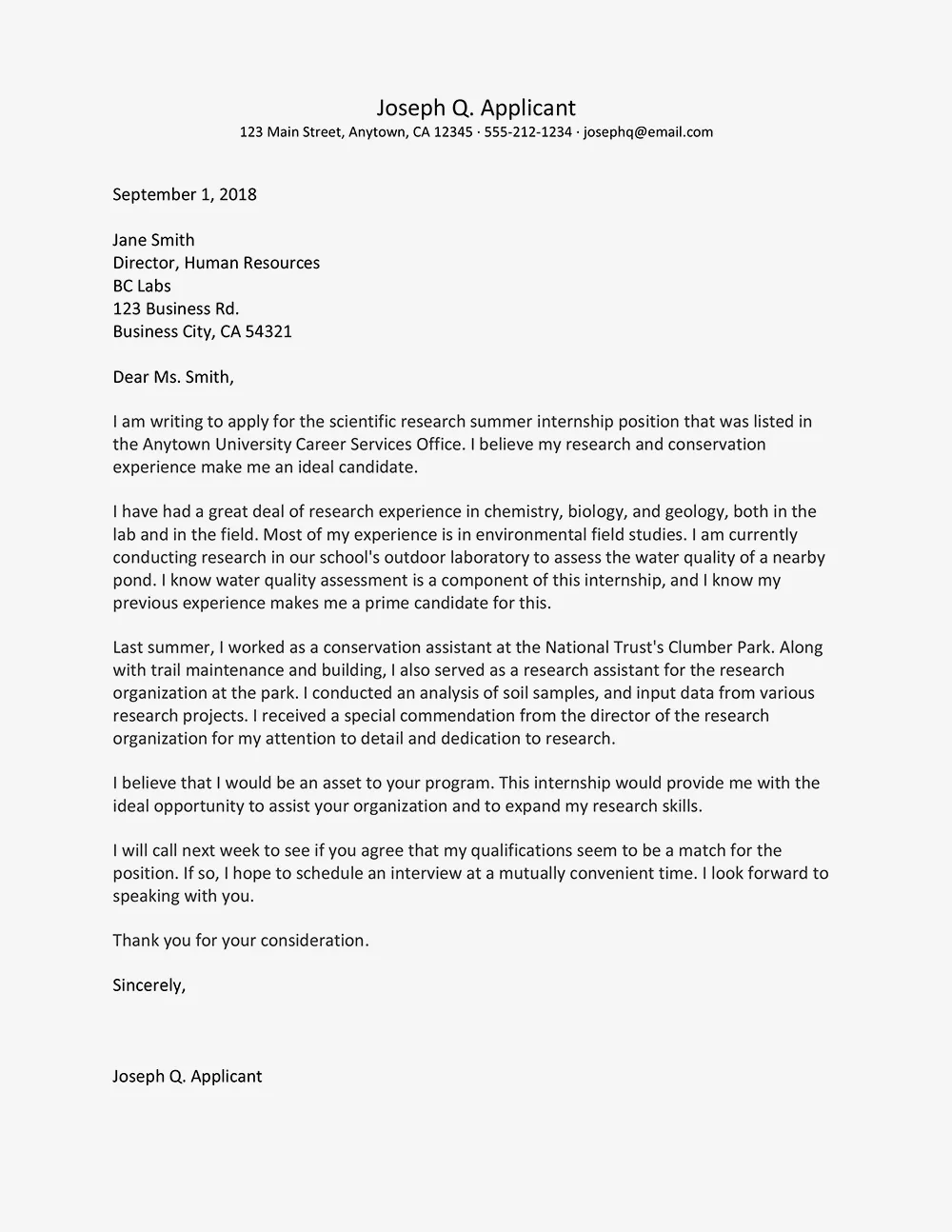
A well-formatted cover letter is the foundation of a professional and impressive document. The basic format includes several key elements, each playing a vital role in presenting your information clearly and effectively. Begin with your contact information and the date, followed by the employer’s contact details. This establishes a professional tone and ensures the hiring manager knows who is sending the letter. Following the header, a clear and concise salutation sets the stage for the content. The body of the letter should be divided into three or four paragraphs, each addressing a specific aspect of your qualifications and interest. Finally, a professional closing, including a call to action, such as inviting them to review your resume or offering to discuss your qualifications further, leaves a lasting positive impression. Proper formatting is not just about aesthetics; it shows attention to detail and respect for the reader’s time. A clean, well-organized format makes your cover letter easier to read and allows your message to be received effectively.
Header & Contact Information
The header of your cover letter is the first thing a hiring manager sees, so it’s essential to make a good impression. It should include your full name, address, phone number, and email address. This information should be clearly presented, often at the top left or right of the page. Ensure your contact information is up-to-date and professional; using a formal email address is advisable. Following your information, include the date and then the recipient’s information, including the hiring manager’s name (if known), their title, the company name, and the company’s address. This detailed contact information shows professionalism and that you have taken the time to research the company and the specific person you’re addressing the letter to. Accuracy in this section is crucial as it ensures the letter can be easily filed and that the hiring manager can contact you without any hassle.
Salutation & Addressing the Hiring Manager
The salutation sets the tone for the entire cover letter, and it’s important to get it right. If possible, always address the hiring manager by name. Research their name on the company website or LinkedIn; using a name shows you have put in the effort to personalize your application. A formal greeting, such as “Dear Mr./Ms. [Last Name],” is generally preferred, ensuring you maintain a professional demeanor. If you cannot find the hiring manager’s name, alternatives include “Dear Hiring Manager” or “Dear [Department Name] Team.” Avoid generic greetings like “To Whom It May Concern,” as these can make your letter feel impersonal. The salutation is more than a courtesy; it shows respect and helps establish a connection with the reader, making them more receptive to the rest of your cover letter.
Body Paragraph 1 Grabbing Their Attention

The first paragraph of your cover letter is crucial; it’s your opening statement and must immediately grab the reader’s attention. Start by clearly stating the position you’re applying for and how you learned about the opportunity. Whether through a job board, a referral, or the company’s website, mention the source. Next, briefly introduce yourself and highlight your most relevant skills or experience. The goal is to pique the reader’s interest and encourage them to read on. This paragraph should be concise, enthusiastic, and tailored to the specific job. Instead of a generic introduction, use this space to immediately communicate why you’re a strong candidate. For example, if the job description emphasizes problem-solving, briefly mention a specific achievement that demonstrates your problem-solving skills. This immediate connection between your skills and the job requirements will capture the hiring manager’s attention and set the stage for the rest of your letter.
Highlighting Your Relevant Skills
The body of your cover letter is where you showcase your skills and explain why you’re the best fit for the role. Focus on the skills and qualifications that are most relevant to the job description. Carefully review the job posting and identify the key requirements the employer is seeking. Then, in the body paragraphs, provide specific examples of how you’ve demonstrated these skills in previous roles or projects. Use the STAR method (Situation, Task, Action, Result) to structure your examples. Briefly describe the situation, the task you faced, the action you took, and the positive result you achieved. This approach provides concrete evidence of your abilities and demonstrates your capacity to deliver results. By providing these real-world examples, you move beyond simply listing your skills; you show how you have applied them successfully in practical settings. Make sure that each skill you mention is backed up with a clear example and quantify your achievements whenever possible to demonstrate the impact of your work.
Body Paragraph 2 Showcasing Your Achievements
The second paragraph is your chance to highlight your achievements and provide concrete examples of your successes. This isn’t just about listing what you’ve done; it’s about demonstrating the impact you’ve made in previous roles. Start by identifying your most significant accomplishments related to the job requirements. Use the STAR method to describe each achievement: the Situation, the Task you were assigned, the Action you took, and the Result of your efforts. Focus on quantifying your accomplishments whenever possible. For example, instead of saying you “improved customer satisfaction,” state that you “increased customer satisfaction scores by 15% through the implementation of a new feedback system.” This quantifiable evidence is more compelling and provides concrete proof of your abilities. Showcasing your achievements makes a strong case for why you should be considered for the role by demonstrating your ability to produce results and contribute to the company’s success.
Quantifying Your Accomplishments

Quantifying your accomplishments is a powerful way to demonstrate the impact of your work and make a strong case for your qualifications. Numbers and statistics provide concrete evidence of your achievements, making your claims more credible and memorable. Whenever possible, use data to illustrate your success. For instance, instead of stating you “managed projects effectively,” say that you “managed projects within budget and on schedule, delivering a 20% reduction in project costs.” This level of detail gives the hiring manager a clear understanding of your capabilities and the value you can bring to the organization. Think about how you can quantify your achievements in terms of time saved, money earned, customers acquired, or any other measurable results. By using specific numbers, you transform vague statements into compelling evidence of your skills and abilities.
Body Paragraph 3 Expressing Your Enthusiasm
The final body paragraph should express your enthusiasm for the opportunity and your interest in the company. This is where you can connect your skills and achievements to the specific role and the company’s goals. Research the company and mention something that resonates with you; it could be their mission, their values, or a recent project. Explain why you’re excited about the prospect of joining their team and how you believe you can contribute to their success. This demonstrates your genuine interest and that you’ve done your homework. Also, reiterate your key qualifications and how they align with the job requirements, emphasizing how your skills and experience can benefit the employer. This final paragraph reinforces your suitability for the role and highlights your desire to contribute to the company’s success, leaving a lasting positive impression.
Tailoring Your Letter to the Specific Role
One of the most critical cover letter secrets is tailoring it to each specific job. Generic cover letters are easily identified and often discarded. Instead, customize your letter to match the requirements and the culture of the company. Start by carefully reviewing the job description and identifying the key skills and qualifications the employer is seeking. Then, in your cover letter, highlight how your experience aligns with these requirements. Use the same keywords and phrases that are used in the job posting to demonstrate that you understand the role and the employer’s needs. Research the company and learn about its values, mission, and recent projects. Show the hiring manager you’ve done your homework and that you’re genuinely interested in the company. Tailoring your cover letter shows that you’re not just sending out mass applications; you’re specifically interested in the position and the company, increasing your chances of getting noticed.
Closing Your Cover Letter Effectively

The closing of your cover letter is your final opportunity to leave a lasting impression. It should be professional, concise, and include a clear call to action. Begin by thanking the hiring manager for their time and consideration. Reiterate your interest in the position and briefly summarize why you’re a strong candidate. Your call to action should tell the reader what you want them to do next. Common options include inviting them to review your resume or offering to discuss your qualifications further in an interview. Make it easy for them to take the next step. Use a professional closing such as “Sincerely” or “Best regards,” followed by your typed name. This closing reinforces your professionalism and leaves the reader with a clear understanding of your interest and your expectations.
The Importance of a Strong Call to Action
A strong call to action is a critical element of an effective cover letter, guiding the reader on what they should do next. It provides a clear instruction and makes it easy for the hiring manager to take the desired action. Common calls to action include inviting them to review your resume, offering to discuss your qualifications further, or suggesting a follow-up call to answer any questions they may have. The call to action should be specific and tailored to the job. Avoid generic phrases; instead, make it clear that you are eager to move forward in the hiring process. For example, you might say, “I am eager to discuss how my skills and experience can contribute to your team, and I am available for an interview at your earliest convenience.” A well-crafted call to action increases the likelihood of getting the desired response and moving your application forward.
Proofreading & Editing Your Cover Letter
Proofreading and editing are essential steps in creating a professional cover letter. Errors in grammar, spelling, or punctuation can create a negative impression and undermine your credibility. Before submitting your letter, carefully review it for any mistakes. Read it aloud to catch any awkward phrasing or grammatical errors, and use a grammar and spell-check tool to identify any potential issues. However, these tools are not foolproof, so it is advisable to have another person review your letter. Ask a friend, family member, or career advisor to read your letter and provide feedback on clarity, style, and content. Fresh eyes can often spot errors that you may have missed. Ensure that your contact information is accurate, and the formatting is consistent throughout the document. A well-proofread and edited cover letter demonstrates attention to detail and professionalism, increasing your chances of making a positive impression.
Common Cover Letter Mistakes to Avoid

Avoid these common cover letter mistakes to make a positive impression on potential employers. One of the most significant errors is a generic, one-size-fits-all cover letter. Always tailor your letter to each specific job. Another mistake is focusing solely on what you want rather than what you can offer the company. Instead of making it all about you, demonstrate how your skills and experience align with the company’s needs. Also, avoid typos, grammatical errors, and overly long paragraphs. Always ensure you provide concise information. Additionally, don’t be afraid to use your personality to showcase your enthusiasm for the role and the company’s culture, instead of being formal. By avoiding these pitfalls, you can create a cover letter that grabs attention and sets you apart from the competition. A well-written cover letter will demonstrate your suitability and genuine interest, which in turn, can improve your chance of getting an interview.
The Tone & Style for Cover Letters
The tone and style of your cover letter are critical in conveying your professionalism and personality. Maintain a formal and professional tone throughout the document. Use clear, concise language, and avoid jargon or overly complex sentences. The style should be engaging and enthusiastic, but not overly casual. Balance your professionalism with a touch of your personality to make the letter more memorable. Research the company culture to gauge the appropriate level of formality. Ensure your writing style is consistent throughout the letter, from the salutation to the closing. Choose active voice over passive voice to make your writing more direct and engaging. For instance, instead of saying, “The project was managed by me,” write, “I managed the project.” Your tone and style should reflect your communication skills and your ability to fit into the company’s culture. By striking the right balance, you can create a cover letter that’s professional, engaging, and effective.
Tips for Writing a General Interest Cover Letter
Writing a general interest cover letter requires a slightly different approach than one tailored for a specific job. Start by identifying your career goals and the types of positions you’re interested in. Highlight the skills and experiences that make you a versatile candidate. In the opening paragraph, state your interest in the company and the opportunity to contribute to its success. In the body paragraphs, showcase your transferable skills and provide examples of your achievements from various roles or projects. Be sure to show how your diverse skill set can benefit the company. Research the company’s mission, values, and recent activities to show you understand the company’s goals. In the closing, express your eagerness to learn more about any potential opportunities and your willingness to contribute to the team. Tailor your letter to each company by mentioning how your skills align with their values and goals, increasing the chances of an interview. Make sure to highlight any skills or qualifications that are relevant to the industry or the types of roles you are interested in.
Cover Letter for Unsolicited Applications

An unsolicited cover letter is sent to a company without a specific job posting. This requires a different approach, focusing on showcasing your value and expressing your interest in the company. Begin by researching the company and identifying departments or areas where your skills could be beneficial. In your opening, state your interest in the company and your desire to explore potential opportunities. Highlight your relevant skills and experiences, providing examples of your accomplishments. Show how you can contribute to their success. Customize your letter to the company’s industry and values to show that you have an understanding of their goals. Express your enthusiasm for the possibility of joining the team and state your willingness to learn more about potential opportunities. Also, mention how your unique skills can benefit the company. This approach demonstrates initiative and initiative to contribute to their team. A well-crafted unsolicited cover letter can open doors to opportunities you might not have found otherwise.