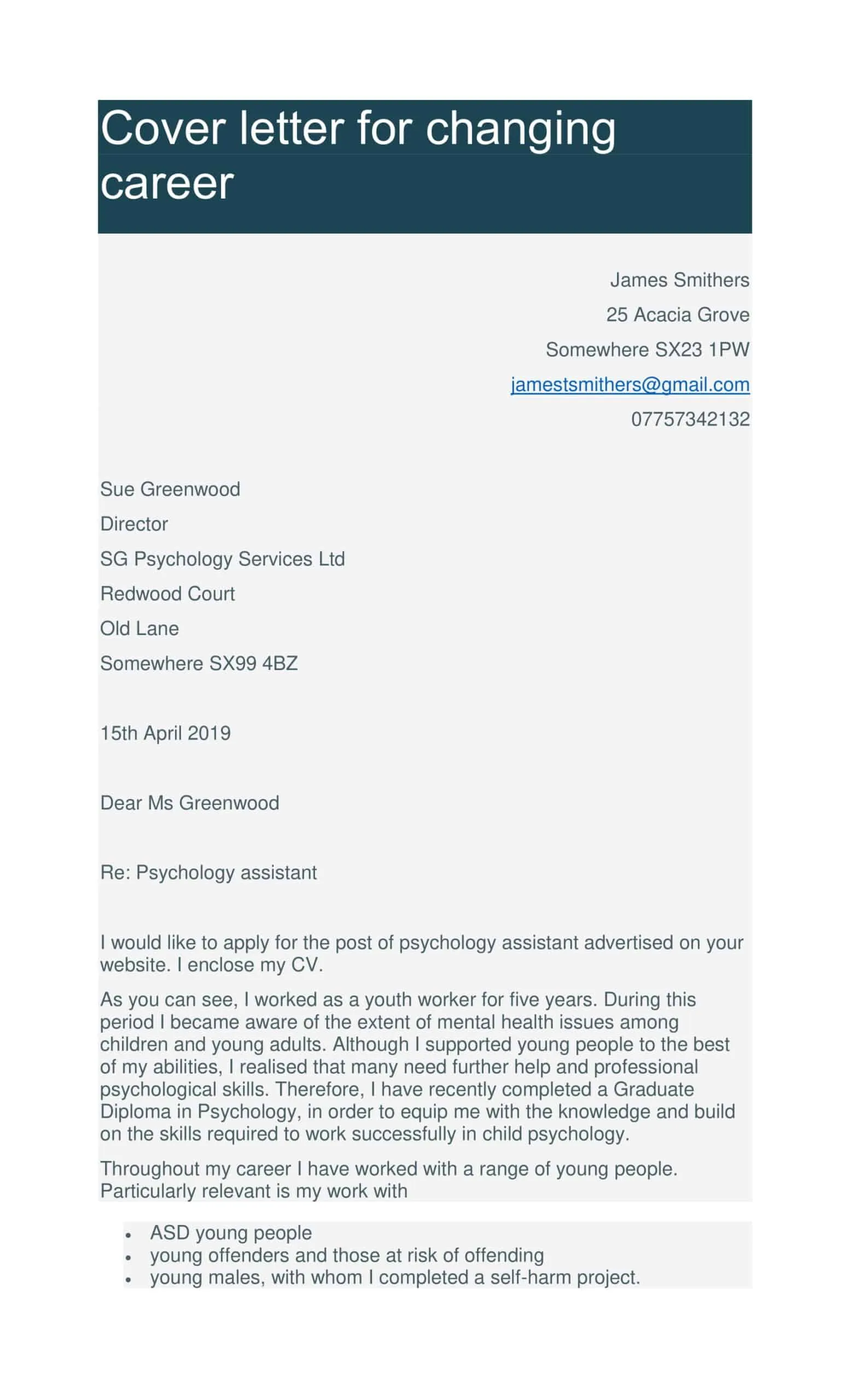
Embarking on a career change can be both exciting and daunting. You’re not alone; many professionals decide to pivot their careers to find more fulfilling work, higher salaries, or better work-life balance. A well-crafted cover letter is your secret weapon in this transition. It’s your opportunity to showcase your relevant skills and experiences, express your enthusiasm for the new field, and convince potential employers that you’re a valuable asset. This guide provides comprehensive cover letter samples for career change, offering insights and examples to help you create a compelling application that gets you hired.
Why Cover Letter Samples are Crucial for Career Change
Cover letter samples are invaluable for career changers because they provide a framework and inspiration for crafting your own narrative. They demonstrate how to effectively frame your skills and experiences in a new context, highlighting transferable abilities that may not be immediately obvious. Furthermore, samples give you a concrete idea of the language, tone, and style that resonates with recruiters and hiring managers. Without a proper cover letter, the hiring manager may dismiss your application without a second glance. Cover letter samples, tailored to various industries and career paths, can help you understand industry-specific requirements and expectations, giving you a competitive edge.
Understanding the Purpose of a Cover Letter
A cover letter is more than just a formality; it’s your chance to tell a story, one that goes beyond the bullet points of your resume. It allows you to explain the ‘why’ behind your career change, the motivations driving you to pursue a different path. Think of it as a personal introduction that complements your resume, providing context and personality. It’s your opportunity to connect with the hiring manager on a more personal level, demonstrating your genuine interest in the role and the company. Moreover, a well-written cover letter can address any gaps or concerns about your experience, making your application more appealing and memorable.
Highlighting Transferable Skills

One of the biggest challenges for career changers is demonstrating how their existing skills translate to a new field. The key is to identify and highlight transferable skills – the abilities that are valuable across different industries and roles. These might include communication, problem-solving, leadership, project management, and analytical skills. For instance, if you’re transitioning from education to project management, emphasize your organizational abilities, your ability to manage multiple tasks, and your skills in communication with different stakeholders. Cover letter samples are useful in this aspect since you can see real-world examples.
Demonstrating Your Enthusiasm
Your cover letter is your chance to express your genuine interest in the role and the company. Show that you’ve done your research, understand the industry, and are excited about the opportunity. Explain what specifically attracts you to the company and the role, and how your skills and experience align with their goals. Avoid generic statements and tailor your letter to each application. Mentioning specific projects, initiatives, or values that resonate with you can make your cover letter much more compelling. Your enthusiasm shows that you’re not just looking for a job, but a career path that matches your passions.
Cover Letter Structure for Career Changers
A well-structured cover letter ensures clarity and impact. The basic structure includes a header with your contact information, a personalized opening statement, body paragraphs that showcase your skills and experiences, and a strong concluding statement. Each section should serve a specific purpose, making your letter easy to read and understand. Proper formatting, including clear paragraphs and concise language, is crucial for maintaining the reader’s attention. Use a professional font and maintain a consistent style throughout the document. The cover letter is not your autobiography, keep it short and sweet.
Header and Contact Information

Start with your name, address, phone number, and email address. This information should be clearly visible at the top of the letter. If you’re applying online, ensure your contact details are up-to-date and professional. Below your contact details, include the date and the hiring manager’s name and title, if known. Addressing the hiring manager by name creates a personal touch, and it shows that you’ve done your research. If you can’t find the hiring manager’s name, use a generic greeting like ‘Dear Hiring Manager’ or ‘Dear [Department Name] Hiring Team’.
Opening Statement That Captures Attention
The opening paragraph is your chance to grab the reader’s attention. Start with a strong statement that immediately communicates your interest in the role and how your skills align with the company’s needs. Avoid generic openings like ‘I am writing to apply for the position…’ Instead, try stating your enthusiasm and mentioning a key accomplishment or skill that makes you a good fit. Highlight a skill relevant to the job and show how you will make an impact immediately. It can make all the difference between a rejection and an interview.
Body Paragraphs Showcasing Skills and Experience
The body of your cover letter is where you detail your relevant skills and experiences. Use specific examples to demonstrate your abilities, emphasizing the transferable skills that are valuable in your new field. Quantify your achievements whenever possible to showcase your impact. Break down your experience into separate paragraphs, with each one focusing on a specific skill or accomplishment. Address any concerns about your career change by explaining your motivations and how your previous experiences have prepared you for the new role. This section is where your story comes alive.
Concluding the Cover Letter

Your conclusion should reiterate your interest in the role and the company, while also summarizing your key qualifications. Thank the hiring manager for their time and consideration, and clearly state your intention to follow up. Provide your contact information and express your eagerness to discuss your application further. Keep the closing concise and professional. This will help make sure you make the best possible first impression.
Tailoring Cover Letter Samples
Using cover letter samples as a starting point is great, but remember to tailor them to each job application. Generic cover letters are easily identified and often discarded. Customize the content to match the specific requirements of the job and the company’s values. Research the company, understand their needs, and highlight the skills and experiences that align with their expectations. Personalize your letter to demonstrate your genuine interest in the role and the company. Show how your unique background and skills can contribute to their success.
Researching the Target Company
Before writing your cover letter, thoroughly research the target company. Visit their website, read their mission statement, and review their recent news and projects. Understand their values, culture, and goals. This research will help you tailor your letter to their specific needs and show the hiring manager that you’re genuinely interested in working for their organization. Identify the key skills and qualifications they are looking for and address them directly in your letter. This shows that you are committed to the company.
Customizing Content to Match Job Requirements

Carefully review the job description and identify the key requirements and qualifications. Use the same language and keywords from the job description in your cover letter. Highlight the skills and experiences that directly relate to the job’s responsibilities. Provide specific examples of how you’ve demonstrated those skills in the past. Customize your letter to show that you understand the role and are well-suited to perform it effectively. If the job requires skills in project management, provide examples of how you’ve managed projects in your previous roles. Be specific and relevant, showing that you can contribute to the company’s success.
Addressing Career Change Directly
Don’t shy away from addressing your career change directly. Acknowledge the shift and explain your motivations for pursuing a new path. Highlight the transferable skills and experiences that make you a suitable candidate, even if your previous roles were in different fields. Frame your career change positively, emphasizing your enthusiasm and commitment to the new field. Explain why you are excited about this opportunity and how it aligns with your long-term career goals. Showing your passion and dedication will help you stand out.
Common Mistakes to Avoid
Several common mistakes can hurt your chances of getting hired. Avoiding these pitfalls will help you create a compelling cover letter that impresses hiring managers. Be sure to proofread your cover letter before sending, and make sure to avoid some common mistakes, which are stated below.
Generic Cover Letters

Avoid sending generic cover letters that could be sent to any company. Tailor each letter to the specific job and company, highlighting relevant skills and experiences. Generic cover letters often lack the personal touch that demonstrates your genuine interest in the role. Tailor your letter by researching the company and customizing the content to match the specific requirements of the job. Generic letters will be overlooked, show you’re not just applying for a job, but pursuing a career.
Focusing on the Past, Not the Future
While it’s important to mention your past experiences, don’t dwell on them excessively. Focus on how your skills and experiences align with the new role and the company’s future goals. Show the hiring manager what you can bring to the table and how you will contribute to their success. Emphasize your enthusiasm for the new field and your willingness to learn and adapt. Show that you’re focused on the future.
Lack of Proofreading
Typos, grammatical errors, and poor formatting can undermine your credibility. Proofread your cover letter carefully before sending it, and consider having a friend or colleague review it as well. Ensure that your letter is free of errors and easy to read. Proofreading can be the difference between getting an interview and being overlooked, so take the time to ensure that your letter is polished and professional. Always get a second set of eyes.
Cover Letter Samples by Industry

Cover letter samples vary by industry. Tailoring your cover letter to a specific industry ensures that you meet the expectations of the potential employer. The language, tone, and style should align with industry standards. You can find samples tailored to industries like tech, healthcare, marketing, and finance, each addressing the specific requirements and common practices within their respective fields.
Tech Industry Cover Letter Samples
Tech industry cover letters should highlight your technical skills, problem-solving abilities, and experience with relevant tools and technologies. Emphasize your ability to learn quickly and adapt to new technologies. Mention specific projects or accomplishments, and show how you contributed to the success of those projects. If you are changing from a different field, highlight your transferable skills, such as project management or communication, and how they will benefit your potential employer. The tech industry is constantly evolving, so your cover letter should reflect your enthusiasm for the field.
Healthcare Cover Letter Samples
Healthcare cover letters should demonstrate your compassion, empathy, and commitment to patient care. Highlight your experience with relevant medical procedures, your ability to work in a team, and your knowledge of healthcare regulations. If you are changing careers, emphasize any relevant experiences, such as customer service skills or experience working in a fast-paced environment. The healthcare industry values professionalism, attention to detail, and a dedication to helping others, so highlight these attributes in your cover letter. Be sure to address why you are changing careers, especially if it has to do with healthcare.
Marketing Cover Letter Samples
Marketing cover letters should showcase your creativity, communication skills, and experience with marketing strategies and campaigns. Provide examples of successful campaigns you’ve worked on, and quantify your achievements whenever possible. Emphasize your ability to analyze data, develop creative content, and communicate effectively with target audiences. Your cover letter is a way to demonstrate your marketing skills, so make it stand out. Make sure your cover letter reflects your personal branding style and voice.
Finance Cover Letter Samples
Finance cover letters should demonstrate your analytical skills, attention to detail, and understanding of financial principles. Highlight your experience with financial modeling, budgeting, and forecasting. If you’re transitioning into finance, emphasize transferable skills such as problem-solving, communication, and analytical skills. If you have any relevant certifications, be sure to mention them. Show your understanding of the financial industry and your ability to contribute to the company’s financial goals. Always show your interest in the role and company.
Final Thoughts and Next Steps
Crafting a cover letter for a career change requires careful planning and execution. Use the provided cover letter samples to gain inspiration and adapt them to your unique situation. Tailor each letter to the specific job and company, highlighting your transferable skills and your enthusiasm for the new field. Proofread your letter carefully, and seek feedback from trusted sources. With a well-written cover letter, you’ll be well on your way to landing your dream job. Good luck, and remember to stay persistent in your job search.