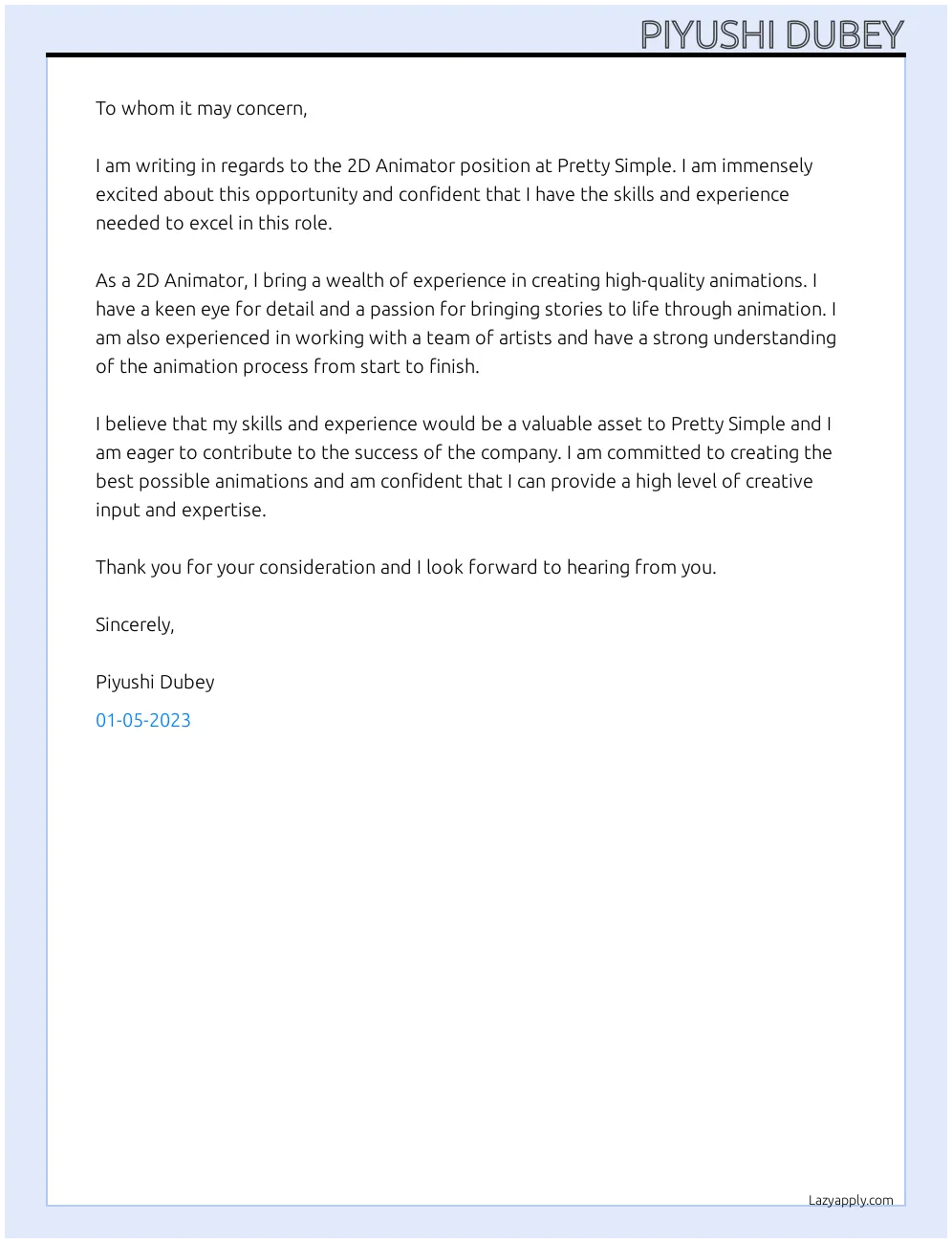
What is a Cover Letter?
A cover letter is a crucial document that accompanies your resume when applying for a job. It serves as an introduction, allowing you to expand on your qualifications, skills, and experiences in a more personalized and detailed manner than a resume alone. A well-crafted cover letter can significantly increase your chances of getting noticed by a hiring manager and securing an interview. It’s your opportunity to make a strong first impression and demonstrate your enthusiasm for the position and the company.
Purpose of a Cover Letter
The primary purpose of a cover letter is to persuade the hiring manager that you are the best candidate for the job. It provides context to your resume, explaining why you’re interested in the specific role and how your skills align with the company’s needs. The letter allows you to highlight relevant accomplishments, showcase your personality, and demonstrate your understanding of the company and the position. It should clearly articulate your career goals and explain what you can bring to the table.
Cover Letter vs Resume
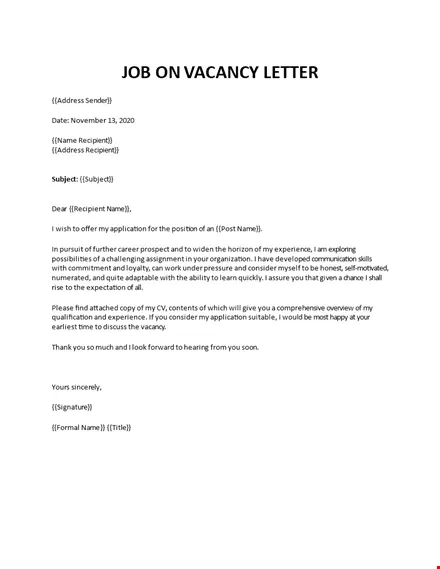
While a resume provides a concise overview of your work history, education, and skills, a cover letter allows you to tell a story. The resume presents facts, while the cover letter provides the narrative. The resume lists your achievements; the cover letter explains their significance. A resume is a formal document, and a cover letter is more personal. Both documents are essential for a job application, but they serve different functions. Together, they create a comprehensive view of your qualifications and your suitability for the role. Your resume presents the ‘what,’ while your cover letter explains the ‘why.’
How to Write a Winning Cover Letter
Writing a winning cover letter requires careful planning and attention to detail. It’s more than just summarizing your resume; it’s about tailoring your message to the specific job and the company. A well-structured cover letter that demonstrates a clear understanding of the role and a genuine interest in the organization will make a positive impact. The following tips provide a step-by-step guide to crafting a compelling cover letter that effectively showcases your qualifications and enhances your chances of getting an interview.
Research the Company
Before you start writing, research the company. Understand its mission, values, culture, and recent achievements. This information will enable you to tailor your cover letter to demonstrate how your skills and experiences align with the company’s specific needs and goals. Visit the company’s website, read news articles, and check their social media profiles to gain insights. Showing that you understand the company shows that you’ve invested time and effort in learning about the opportunity, setting a strong foundation for a good impression. Your letter should reflect your understanding and interest in the company.
Address the Hiring Manager

If possible, address your cover letter to the hiring manager by name. This personalization shows that you have taken the time to find out who will be reading your application and demonstrates a level of interest. If you cannot find the hiring manager’s name, use a professional greeting such as ‘Dear Hiring Manager.’ Avoid generic greetings such as ‘To Whom It May Concern.’ Addressing the hiring manager directly creates a connection and makes the cover letter feel more personal. Always double-check the spelling of the name and title to avoid any errors.
Start with a Strong Opening
Your opening paragraph is your first opportunity to capture the hiring manager’s attention. Start with a strong, engaging statement that immediately communicates your interest in the position and the company. State the position you are applying for and briefly mention how you learned about the opportunity. Consider using an impactful statement that highlights a key accomplishment or skill relevant to the role. A well-crafted opening sets the tone for the rest of your letter and encourages the reader to continue to learn more about your qualifications.
Highlight Relevant Skills and Experience
In the body of your cover letter, highlight the skills and experiences most relevant to the job requirements. Refer to the job description and identify the key qualifications. Provide specific examples of how you have demonstrated these skills in previous roles. Quantify your achievements whenever possible, using data and metrics to illustrate your impact. Tailor your examples to the specific needs of the company and the role. This helps the hiring manager quickly see how your skills align with the company’s requirements and the value you can bring to the position.
Showcase Your Accomplishments

Instead of simply listing your responsibilities, showcase your accomplishments. Use the STAR method (Situation, Task, Action, Result) to provide context and demonstrate the impact you have made in previous roles. Describe the situation, the task you were assigned, the action you took, and the results you achieved. This helps the hiring manager understand the value you can bring to the new role and highlights your ability to deliver tangible outcomes. Quantify your results whenever possible to provide a clear picture of your contributions.
Express Your Enthusiasm
Let your enthusiasm for the position and the company shine through. Explain why you are interested in the role and what attracts you to the organization. Demonstrate your passion for the industry and your genuine interest in contributing to the company’s success. Expressing enthusiasm will make your cover letter more engaging and memorable. This will help the hiring manager see beyond your qualifications to appreciate your personality and passion for the role, setting you apart from other applicants.
Close with a Call to Action
End your cover letter with a strong call to action. Reiterate your interest in the position and express your eagerness to discuss your qualifications further. Include a polite statement indicating your availability for an interview. Thank the hiring manager for their time and consideration. Close with a professional sign-off, such as ‘Sincerely’ or ‘Best regards,’ followed by your name and contact information. This ensures a professional finish to your cover letter and encourages the next step in the hiring process.
Formatting Your Cover Letter

The formatting of your cover letter is important to ensure readability and professionalism. A well-formatted cover letter makes it easy for the hiring manager to quickly scan the information and understand your qualifications. Proper formatting also reflects your attention to detail and your respect for the hiring process. Consistent formatting shows your care and professionalism.
Font and Style
Choose a professional and readable font, such as Times New Roman, Arial, or Calibri, with a font size between 10 and 12 points. Use a clear and consistent font throughout the entire document. Avoid using overly ornate or unconventional fonts, which can be difficult to read and may detract from the content. Ensure consistent spacing and margins to maintain a clean and organized appearance. Keep the letter concise and easy to scan.
Length
Keep your cover letter concise, ideally one page long. Hiring managers often have limited time, so it is essential to get your message across clearly and efficiently. Focus on the most relevant and impactful information, and avoid unnecessary details. Use concise language and well-structured paragraphs. Long, rambling letters may result in the hiring manager losing interest. Make every word count and avoid redundancy.
Proofreading

Proofread your cover letter carefully for any errors in grammar, spelling, and punctuation. Typos and grammatical errors can create a negative impression and indicate a lack of attention to detail. Use a grammar checker and have someone else review your letter for a fresh perspective. Ensure that your tone is professional and that your message is clear and concise. A polished and error-free cover letter will increase your chances of getting noticed.
Cover Letter Examples
Different types of jobs require different cover letters. Tailoring your letter to match the specific job will give you a competitive edge. Here are some examples to get you started:
Sample Cover Letter for Entry-Level Position
Entry-level cover letters should highlight your education, relevant coursework, internships, volunteer experiences, and any skills that relate to the job description. Emphasize your eagerness to learn, your adaptability, and your enthusiasm for the role and the company. Show how your limited experience can still bring value to the organization. Explain your career goals and how the position aligns with your aspirations. Highlight your potential and your willingness to grow.
Sample Cover Letter for Experienced Professionals

Experienced professionals should focus on showcasing their accomplishments, providing specific examples of their previous work and quantifying their results. Emphasize your transferable skills, your leadership abilities, and your ability to solve problems. Tailor your letter to match the job requirements and the company’s needs, and demonstrate how your experience makes you a valuable asset. Highlight significant achievements, projects you have led, and contributions you have made to previous organizations. Show the hiring manager how you can quickly provide value.
Cover Letter Mistakes to Avoid
Certain mistakes can immediately disqualify a candidate. Avoiding these errors increases your chance of success.
Generic Cover Letters
Avoid using a generic cover letter that is not tailored to the specific job or the company. Generic cover letters show a lack of interest and effort, and they do not highlight your relevant skills and experiences. Always customize your letter to reflect the specific requirements of the position and the company’s culture. Show that you’ve taken the time to understand the role and why you are the perfect fit.
Typos and Grammatical Errors

Proofreading is essential. Typos and grammatical errors can damage your credibility and create a negative impression. Always carefully proofread your cover letter before submitting it. Have someone else review it for errors. Paying attention to these details demonstrates your professionalism and your commitment to quality, showing that you value your work.
Lack of Enthusiasm
A cover letter that lacks enthusiasm can be a major turnoff. Hiring managers want to see that you are genuinely interested in the position and the company. Avoid sounding passive or indifferent in your letter. Express your excitement and your passion for the role. Demonstrate your understanding of the company’s mission and values, and explain why you are eager to contribute to its success. A cover letter with enthusiasm will capture the hiring manager’s attention and make you a memorable candidate.