Understanding Cover Letter Relocation
Relocating for a job can be an exciting yet challenging endeavor. Your cover letter plays a crucial role in showcasing your suitability for a role, especially when you’re not physically present in the desired location. A cover letter relocation strategy is vital for making a strong first impression and demonstrating your proactive approach. Successfully addressing relocation in your cover letter can significantly increase your chances of landing an interview. This guide provides key tips to help you navigate this process and craft a compelling cover letter that highlights your skills and enthusiasm.
Why Relocate Your Cover Letter
Your cover letter should be tailored for each specific role you apply for, and relocation is a significant aspect that should be addressed. Ignoring it can raise questions about your seriousness and commitment. A well-crafted relocation cover letter demonstrates that you’ve considered the implications of moving, understand the job market in the new location, and are prepared to make the transition. It sets the stage for a smooth and professional introduction to potential employers.
Common Reasons for Moving

People relocate for a multitude of reasons, including seeking better career opportunities, personal growth, or a change of scenery. Common reasons also include family commitments, lower cost of living, or a desire to experience a new culture. Recognizing the driving forces behind your move is critical. Clearly communicate your reasons without oversharing personal details, framing your motivations in a way that aligns with the employer’s needs and expectations.
The Importance of Tailoring
Tailoring your cover letter is essential when relocating. Generic applications often get overlooked. Customize your letter to match the specific requirements of the job, highlighting skills and experiences that directly align with the employer’s needs. Research the company and its values, and adjust your tone and content to reflect their culture. Make sure the cover letter is as focused as possible to maximize your chances of success. This shows your dedication to understanding the role and the company.
Top 5 Tips for Cover Letter Relocation
Highlight Relevant Skills

When writing a cover letter for relocation, make sure to prioritize skills that are directly related to the job description and the company’s needs. Showcase your core competencies with specific examples, quantifying your achievements whenever possible. This could include project management, problem-solving abilities, or any technical skills relevant to the role. Use keywords from the job posting to make your application stand out.
Demonstrate Adaptability
Relocating itself demonstrates a level of adaptability. In your cover letter, explicitly mention your ability to adapt to new environments, learn quickly, and embrace change. Provide examples of how you’ve successfully navigated transitions in the past, such as adapting to new work environments or learning new skills. These examples prove your readiness to embrace the challenges of relocating and integrating into a new workplace.
Emphasize Location-Specific Experience
If you have any experience or knowledge related to the new location, be sure to highlight it. This could include understanding the local market, previous experiences in the area, or any familiarity with local businesses or demographics. Such details can show potential employers that you have taken the time to research and are familiar with the area.
Address the Gap Clearly

If there’s a gap in your employment history, such as time spent searching for a new job or relocating, address it transparently and briefly. Explain any relevant experiences or skills gained during this time, framing the gap positively. Avoid dwelling on the past. Instead, focus on how you have used the time to improve your skills and prepare for the new role. This shows your professionalism and proactive attitude.
Show Enthusiasm for the New Location
Express genuine enthusiasm for the new location. Explain what interests you about the area, the company, and the role itself. Mention how you envision contributing to the team and the organization’s goals. This enthusiasm can make a significant difference in making a positive first impression on the hiring manager. Also, research the company and demonstrate your genuine interest in joining their team.
Crafting Your Cover Letter for Relocation
Formatting Your Cover Letter

Keep your cover letter concise and professional. Use a clear and readable font, such as Arial or Times New Roman, and maintain consistent formatting throughout. Divide the content into logical paragraphs with clear headings and subheadings to improve readability. Avoid lengthy paragraphs. Use bullet points to highlight key skills and achievements. Ensure your cover letter looks clean and organized to grab the reader’s attention.
Content of Your Cover Letter
Your cover letter should begin with a professional greeting and an engaging introduction. Highlight your relevant skills and experiences, then explain your reasons for relocating and your interest in the specific role. Use the body to expand on these points and provide specific examples of how your skills align with the job requirements. Conclude with a strong call to action and express your eagerness for an interview.
Proofreading and Editing
Proofreading is a must. Before submitting your cover letter, carefully proofread for any typos, grammatical errors, or inconsistencies in formatting. Ask a friend or colleague to review your letter as well. This helps eliminate any errors that you may have missed. Ensure your cover letter is error-free. Attention to detail showcases your professionalism and commitment to the job.
Common Mistakes to Avoid

Failing to Address Relocation
One of the biggest mistakes is neglecting to mention your relocation plans. If you are not clear about your relocation status, potential employers may assume that you are not serious about the job or do not understand the demands of relocating. Be transparent and demonstrate your commitment to the position by clearly stating your intention to relocate and when you plan to be available.
Generic Cover Letters
Avoid using a generic cover letter that could be sent to any company. Tailor each letter to the specific role and the organization you’re applying to. Generic cover letters do not capture the attention of the hiring manager. They do not highlight the most relevant skills. Always conduct research about the company and tailor your cover letter accordingly.
Ignoring the Local Job Market

Failing to demonstrate an understanding of the local job market can show a lack of initiative. Research the industry trends, the company’s competitors, and the local business climate. Mention any knowledge or experience you have related to the new location, demonstrating your commitment to adapting to the new environment. This can prove that you are committed to starting a career in the area.
Relocation Cover Letter Example
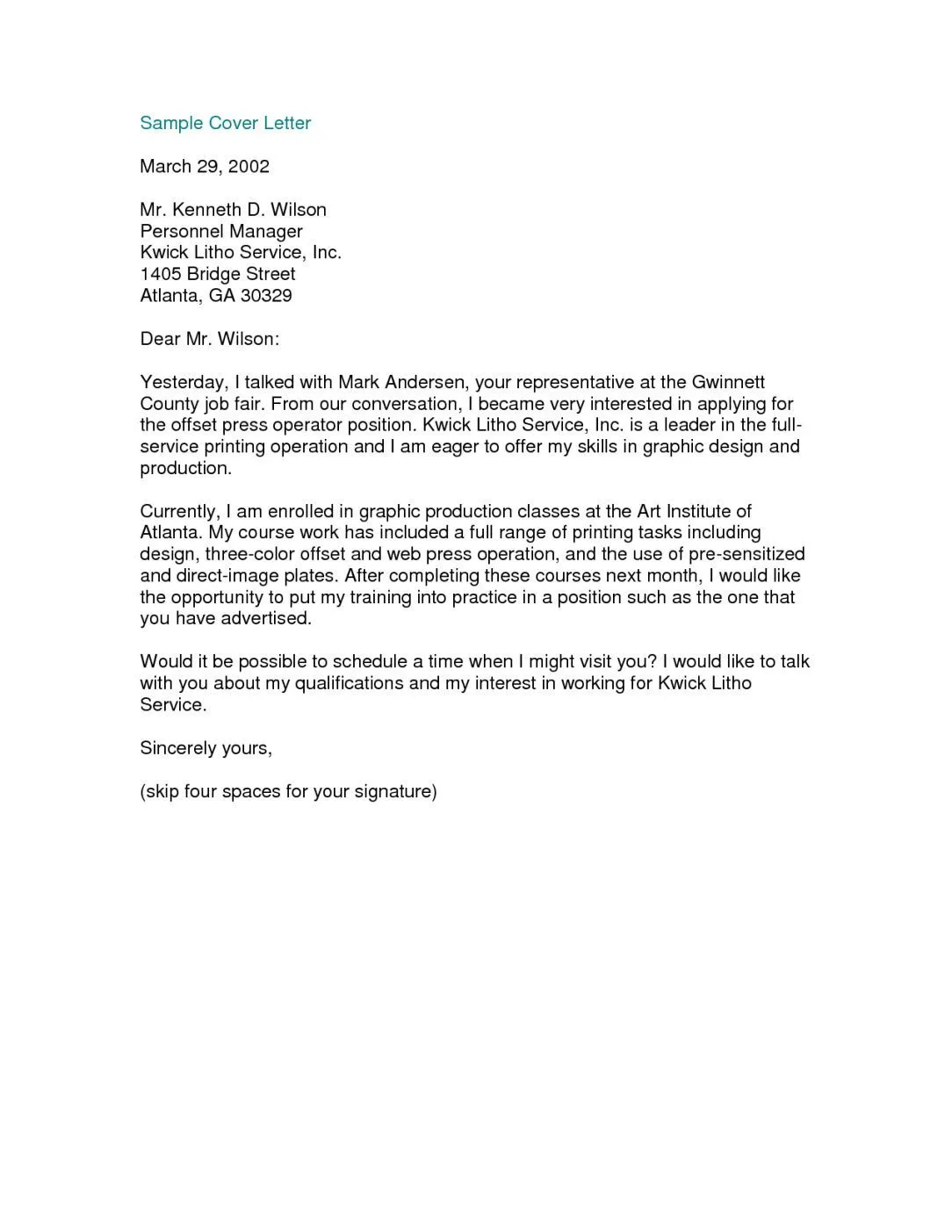
While a full example can vary, a strong relocation cover letter includes a brief introduction about yourself, mentioning your interest in the position and the company. Explain your desire to relocate to the new city, highlighting your reasons. Briefly discuss the skills and experiences that align with the job requirements. Reiterate your enthusiasm and a call to action to encourage the employer to contact you for an interview. Remember to make sure the cover letter is tailored to the specific job and location to show your seriousness.
In conclusion, writing a compelling cover letter for relocation requires careful planning and a strategic approach. By following the tips outlined in this guide, you can significantly increase your chances of landing an interview and securing your desired job. Highlight your skills, demonstrate your adaptability, and show your genuine enthusiasm for the opportunity. With a well-crafted cover letter, you can turn your relocation into a career advantage. Remember, the key is to be proactive, specific, and enthusiastic about the opportunity.