Understanding the Importance of a Cover Letter
A cover letter is far more than just a formality in the job application process; it’s your first opportunity to make a strong impression and demonstrate your genuine interest in a specific role and company. Even when you lack direct work experience, a well-crafted cover letter serves as a powerful tool to showcase your personality, enthusiasm, and potential. It provides context to your resume, allowing you to explain why you’re a suitable candidate, even if your experience isn’t a perfect match for the job description. The cover letter is your chance to tell a story, to connect with the hiring manager on a personal level, and to highlight your unique qualities that make you stand out from other applicants. This document is crucial for illustrating how your skills and experiences align with the job requirements, even when those experiences stem from volunteer work, academic projects, or extracurricular activities. It’s your first step toward securing an interview.
Why a Cover Letter Matters Even Without Experience
The absence of professional experience doesn’t diminish the importance of a cover letter; in fact, it amplifies it. When you don’t have a lengthy employment history, a cover letter becomes your primary vehicle for demonstrating your skills, passion, and potential to the hiring manager. It allows you to articulate your career goals, your understanding of the role, and how you intend to contribute to the company’s success. This is especially vital for recent graduates or individuals making a career change. The cover letter gives you an opportunity to explain any gaps in your resume, such as time spent volunteering, traveling, or pursuing personal development activities, and to frame them in a way that shows how these experiences have prepared you for the job. It allows you to address the elephant in the room—the lack of traditional experience—and turn it into a narrative of ambition, adaptability, and eagerness to learn.
Highlighting Transferable Skills

Transferable skills are the core competencies you’ve developed in one context that can be applied to another, and they’re a goldmine when you lack direct work experience. Identifying and emphasizing these skills is key to crafting a successful cover letter. Think about skills such as communication, problem-solving, time management, teamwork, leadership, and adaptability. These aren’t limited to the workplace; they can be gained through academic projects, volunteer work, extracurricular activities, and personal pursuits. For example, if you were the leader of a student group, highlight your leadership and organizational skills. If you volunteered at an event, emphasize your teamwork and communication abilities. When you can connect these transferable skills to the job requirements, you build a compelling case for your candidacy. Demonstrate how these skills will enable you to succeed in the role, even if you haven’t held a similar position before. This approach allows you to frame your experiences in a relevant and engaging way.
Identifying Your Skills and Abilities
Before you start writing, take the time to conduct a thorough self-assessment of your skills and abilities. This involves more than just listing your qualifications; it’s about understanding what you bring to the table. Start by reviewing the job description carefully, identifying the key skills and requirements. Then, make a list of your own skills, both hard and soft, and match them to the job’s needs. Think about the tasks you’ve performed in previous roles, academic projects, or volunteer work, and the skills you used in those activities. Consider situations where you demonstrated problem-solving, critical thinking, communication, or leadership abilities. Write down specific examples that illustrate these skills. This will give you a solid foundation for writing your cover letter. This proactive process not only aids in cover letter writing but also boosts your self-confidence, helping you to better articulate your strengths during the interview process. Remember to focus on skills that are most relevant to the job and highlight them with specific examples.
Researching the Job and Company
Thorough research is essential for tailoring your cover letter to the specific job and company. Start by carefully reading the job description. Analyze the required skills, responsibilities, and company culture. This will help you understand what the employer is looking for in a candidate. Next, research the company itself. Visit its website, read news articles, and check its social media presence to learn about its mission, values, and recent developments. Understanding the company’s goals and challenges can help you demonstrate how your skills align with its needs. The more you know about the company, the more effectively you can tailor your cover letter to show your genuine interest and understanding. By demonstrating that you’ve done your homework, you’ll make a strong impression and increase your chances of getting noticed. This level of detail communicates your proactive attitude and your serious interest in the position, which can be highly valued even when experience is limited.
Tailoring Your Cover Letter

Generic cover letters are easily recognized and often discarded. To stand out, you must tailor each cover letter to the specific job and company. This involves customizing the content to reflect the job requirements and the company’s values. Begin by addressing the hiring manager by name, if possible. Then, highlight the skills and experiences that are most relevant to the job description. Use the keywords from the job posting, but incorporate them naturally into your writing. Show how your skills and experiences align with the specific responsibilities of the role. Describe how you can contribute to the company’s goals and explain why you’re excited about the opportunity. Make sure your cover letter reflects the company’s tone and culture. If the company emphasizes innovation, show how you bring creativity and fresh ideas. If it prioritizes teamwork, provide examples of your teamwork skills. Always proofread carefully to ensure that your cover letter is free of errors and reflects your attention to detail.
Structuring Your Cover Letter The Basics
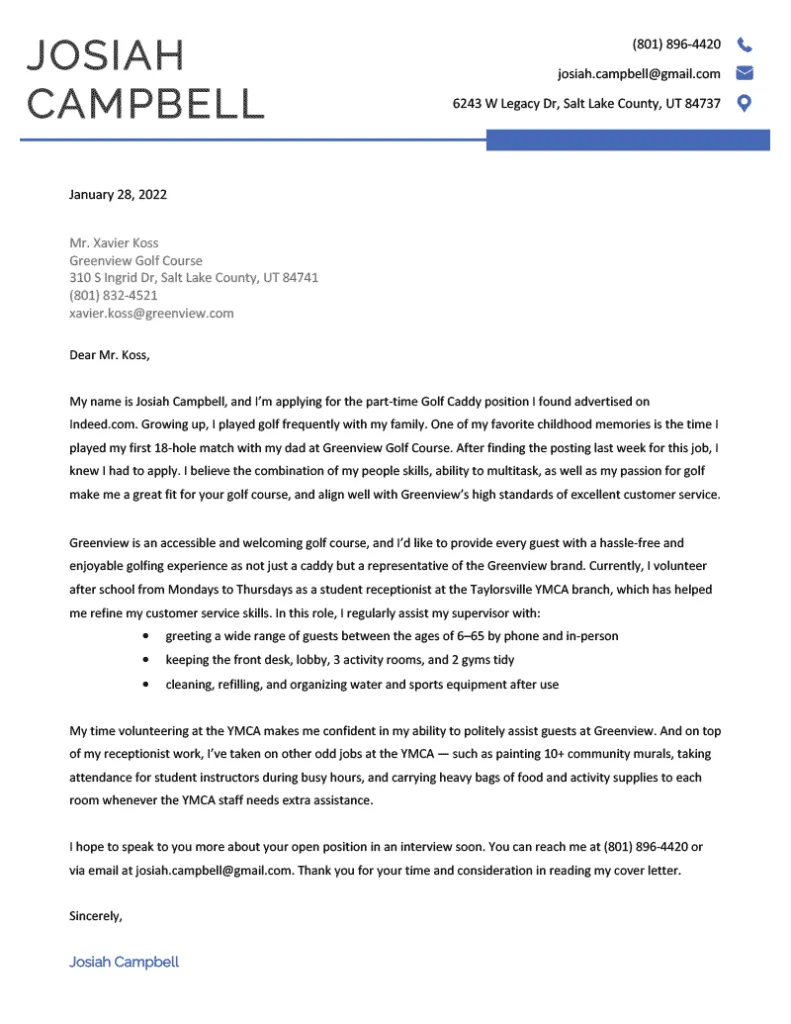
A well-structured cover letter is easy to read and makes a positive impression. A standard cover letter typically includes these sections: your contact information, the date, the hiring manager’s contact information, a salutation, an opening paragraph, body paragraphs, a closing paragraph, and a closing signature. Your contact information should include your name, phone number, email address, and LinkedIn profile URL, if you have one. The salutation should be addressed to the hiring manager by name, when possible. The opening paragraph should state the position you are applying for and how you learned about the opportunity. The body paragraphs should highlight your relevant skills and experiences, showcasing how they align with the job requirements. The closing paragraph should summarize your interest in the position and express your enthusiasm for an interview. Finally, use a professional closing such as ‘Sincerely’ or ‘Best regards’, and sign off with your name. Maintaining a clear and concise structure makes it easier for the hiring manager to grasp your key points and assess your suitability.
Crafting a Compelling Opening
The opening of your cover letter is critical; it’s your first chance to grab the hiring manager’s attention and convince them to read further. Start by stating the position you’re applying for and how you learned about the opportunity. Make your opening engaging and memorable. Don’t just repeat what’s in your resume. Instead, highlight your enthusiasm and demonstrate your understanding of the company and the role. You can start with a brief anecdote that showcases your skills, or you can express your excitement about the opportunity and explain why you’re a good fit. Avoid generic opening lines like ‘I am writing to express my interest…’ Instead, use a more direct and engaging approach. Show the hiring manager why you’re excited about the role and what you can bring to the company. Show a glimpse of your personality and communicate your genuine interest. The most effective openings clearly state your intention and provide a glimpse into your suitability for the role, setting a positive tone for the rest of the letter.
The Body of Your Cover Letter Showcasing Potential

The body of your cover letter is where you demonstrate your skills, experience, and potential. Since you might lack direct experience, focus on transferable skills and how they relate to the job requirements. Explain how your skills align with the job responsibilities and provide specific examples of how you’ve demonstrated those skills in the past. Use the STAR method (Situation, Task, Action, Result) to describe your experiences. For each skill you highlight, provide a brief description of the situation you were in, the task you had to complete, the actions you took, and the results you achieved. Quantify your accomplishments whenever possible. For example, ‘Increased website traffic by 15% through the implementation of SEO strategies.’ This data will give the hiring manager a clear idea of your capabilities. When you can, tie your skills to the needs of the company. Showcase your knowledge of their industry, culture, or challenges. Illustrate what you can bring to the company, even without direct professional experience.
Using Action Verbs to Describe Your Skills
Action verbs are crucial for making your cover letter more engaging and impactful. These verbs add energy to your writing and help the hiring manager visualize your abilities and the results you’ve achieved. Instead of writing ‘Responsible for,’ use action verbs like ‘Managed,’ ‘Led,’ ‘Created,’ ‘Developed,’ ‘Implemented,’ ‘Improved,’ ‘Achieved,’ ‘Collaborated,’ or ‘Organized.’ Begin each bullet point or paragraph with a strong action verb to describe your skills and accomplishments. When describing your previous experiences, use verbs that are relevant to the job description. For instance, if the job requires project management skills, use verbs like ‘Coordinated,’ ‘Planned,’ ‘Executed,’ and ‘Monitored.’ The use of these verbs not only adds depth to your description but also provides the hiring manager with a clearer understanding of your abilities and potential. This will create a vivid picture of your capabilities and demonstrates your proactive approach to the job.
Quantifying Your Accomplishments Even Without Experience
Even when you don’t have traditional work experience, you can quantify your accomplishments by using data and metrics to demonstrate the impact of your actions. Think about any projects you’ve completed, volunteer work you’ve done, or academic achievements you’ve earned. What results did you achieve? How did you contribute to the success of a project or activity? If you organized an event, how many people attended? If you improved a process, how much time did you save? If you led a team, what were the outcomes? Quantifying your accomplishments provides concrete evidence of your skills and abilities. For example, instead of writing ‘Improved communication skills,’ write ‘Improved communication skills, resulting in a 10% increase in project completion rates.’ Numbers help the hiring manager better understand your contributions and potential value. Always use numbers when possible to showcase what you’ve accomplished and create a compelling picture of your impact.
Emphasizing Enthusiasm and Passion

Your cover letter is an excellent opportunity to express your enthusiasm for the role and the company. Hiring managers want to see that you’re genuinely interested and passionate about the opportunity. Show your excitement by mentioning specific aspects of the job that appeal to you, or by explaining how the role aligns with your career goals. Research the company’s mission, values, and recent achievements, and then express your interest in being a part of their team. Explain how you see yourself contributing to the company’s success and why you believe you’re a good fit. Avoid using generic phrases like ‘I am interested in this position.’ Instead, use more enthusiastic language, such as ‘I am extremely excited about this opportunity’ or ‘I am eager to contribute to your team.’ When you show genuine interest, the hiring manager is more likely to consider you a strong candidate, even if you lack direct experience. Let your personality shine through.
Writing a Strong Closing
Your closing paragraph should summarize your interest in the position and encourage the hiring manager to take the next step. Reiterate your enthusiasm for the opportunity and highlight your key skills. Reiterate your eagerness to discuss your qualifications in more detail during an interview. Make sure to include a call to action, asking the hiring manager to contact you or consider your application. Thank the hiring manager for their time and consideration. Close the cover letter with a professional closing, such as ‘Sincerely’ or ‘Best regards’, followed by your typed name. A strong closing reinforces the key points of your cover letter and leaves a lasting positive impression. Ensure that your closing is concise, professional, and reiterates your interest in the position. A well-crafted closing increases the chances of receiving a positive response and moving forward in the hiring process.
Proofreading and Editing Your Cover Letter
Proofreading and editing are crucial steps in the cover letter writing process. Errors in grammar, spelling, and punctuation can create a negative impression and undermine your credibility. Always proofread your cover letter carefully before submitting it. Read it multiple times, looking for any errors. Then, ask someone else to read it. A fresh pair of eyes can often catch mistakes that you might have missed. Use grammar and spell-checking tools, but don’t rely on them entirely; these tools might miss errors. Make sure that your cover letter is well-organized and easy to read. Pay attention to the formatting, including the font, margins, and spacing. Ensure that your cover letter is free of any typos, grammatical errors, and inconsistencies. A polished and error-free cover letter demonstrates your attention to detail and your professionalism. This makes a strong impression, increasing your chances of getting the job.
Key Tips to Make Your Cover Letter Stand Out

To make your cover letter stand out, focus on these key tips. Tailor your cover letter to each job and company. Highlight your transferable skills and explain how they align with the job requirements. Quantify your accomplishments whenever possible. Use action verbs to describe your skills and experiences. Show your enthusiasm for the role and the company. Research the company thoroughly and demonstrate your understanding of its mission, values, and goals. Make sure your cover letter is well-structured, easy to read, and free of errors. Address the hiring manager by name, when possible. Get feedback from others and revise your cover letter accordingly. Customize your cover letter for each job application to show the hiring manager why you are a good fit for that specific opportunity. By following these tips, you can create a cover letter that captures the hiring manager’s attention and makes a lasting impression.
Formatting Your Cover Letter for Success
Effective formatting is vital for ensuring your cover letter is easy to read and makes a positive impression. Use a professional and legible font, such as Times New Roman, Arial, or Calibri, and keep the font size between 10 and 12 points. Use standard 1-inch margins on all sides. Use single spacing within paragraphs and double spacing between paragraphs. Include clear headings and subheadings to break up the text and make it easier to scan. Use bullet points to highlight key skills or accomplishments, but use them sparingly. Make sure the formatting is consistent throughout the document. Proofread the formatting carefully to ensure that it’s free of any errors. Save your cover letter as a PDF file to maintain the formatting across different devices and ensure that your cover letter looks the way you intended it to. A well-formatted cover letter is easy to read and helps to highlight the most important parts of your document. A clean and organized appearance demonstrates your professionalism and attention to detail.
Common Mistakes to Avoid
Avoid these common mistakes to ensure your cover letter is effective. Avoid generic cover letters. Tailor each cover letter to the specific job and company. Do not include information that’s not relevant to the job. Don’t use overly casual language or slang. Avoid repeating information from your resume. Don’t make spelling or grammatical errors. Don’t be too long. Keep your cover letter concise and focused. Don’t be negative or critical of your previous employers. Don’t forget to proofread your cover letter carefully. By avoiding these common mistakes, you can create a cover letter that stands out for the right reasons. Always ensure your cover letter projects professionalism, enthusiasm, and the skills that match the job requirements.
Leveraging Keywords in Your Cover Letter

Keywords are the words and phrases that employers use to describe the skills, qualifications, and responsibilities of a job. Incorporating relevant keywords into your cover letter can increase your chances of getting noticed by both hiring managers and applicant tracking systems (ATS). Review the job description carefully and identify the key skills and qualifications that the employer is looking for. Use these keywords throughout your cover letter, but do so naturally. Avoid keyword stuffing, which is the practice of including too many keywords in your text. Instead, integrate keywords into your sentences in a way that makes sense and adds value to your writing. By strategically using keywords, you can demonstrate that you’re a good fit for the job and make it easier for the hiring manager to find you.
Seeking Feedback on Your Cover Letter
Getting feedback is an essential step in the cover letter writing process. Ask trusted friends, family members, career advisors, or mentors to review your cover letter and provide constructive criticism. Ask them to assess the clarity, grammar, spelling, and overall effectiveness of your cover letter. They should also check if the cover letter is tailored to the specific job and company. Be open to their suggestions and use their feedback to improve your cover letter. Consider asking for feedback from a career counselor or a professional resume writer. A professional can give you valuable insights and help you refine your cover letter. Revising your cover letter based on the feedback you receive will help you create a compelling document that showcases your skills, experience, and potential. Getting a second opinion will enhance the quality of your cover letter and boost your confidence when applying for jobs.