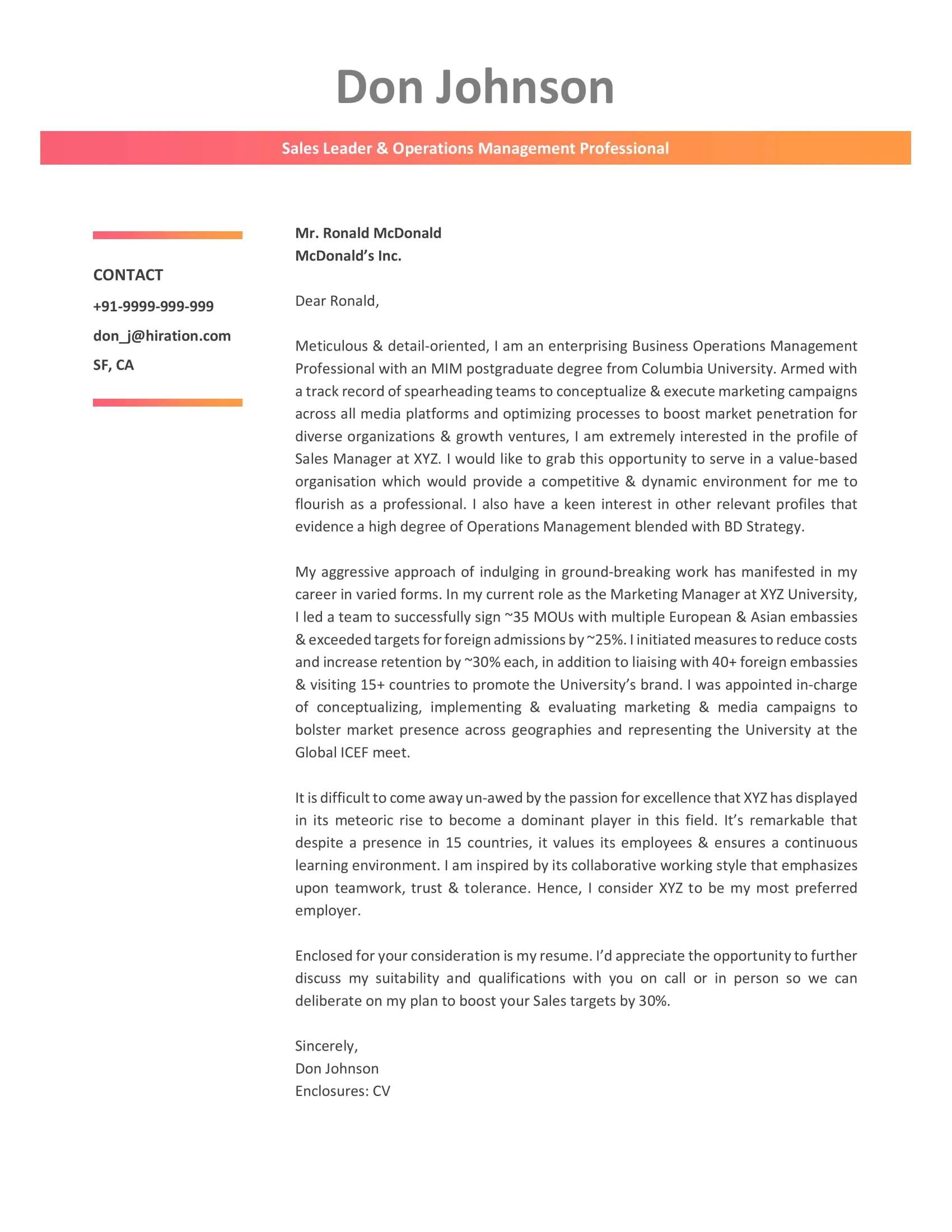
What is a Cover Letter and Why is it Important?
A cover letter is a crucial document that accompanies your resume when applying for a job. It serves as your personal introduction to the hiring manager, providing an opportunity to highlight your qualifications, skills, and experiences in a way that a resume alone cannot. Unlike a resume, which offers a concise overview of your work history and education, a cover letter allows you to express your personality, demonstrate your genuine interest in the role, and explain why you’re a perfect fit for the company. Its importance lies in its ability to create a strong first impression and increase your chances of securing an interview. A well-written cover letter can set you apart from other applicants by showcasing your communication skills, attention to detail, and enthusiasm.
The Purpose of a Cover Letter
The primary purpose of a cover letter is to persuade the hiring manager to read your resume and consider you for an interview. It’s your chance to make a positive first impression and articulate why you are the best candidate for the job. A cover letter also allows you to elaborate on your skills and experience, providing context and demonstrating how your qualifications align with the specific requirements of the role. By highlighting your accomplishments and showcasing your personality, you can create a compelling narrative that captures the reader’s attention and motivates them to learn more about you. A well-crafted cover letter demonstrates your understanding of the company, your enthusiasm for the position, and your commitment to excellence, all of which can significantly enhance your job application.
Cover Letter vs Resume

The resume and cover letter serve different yet complementary functions in the job application process. The resume is a detailed, factual summary of your professional history, education, skills, and accomplishments. It’s a comprehensive document that provides a snapshot of your qualifications. In contrast, the cover letter is a personalized document that introduces you to the employer and explains why you are the ideal candidate for the specific role. It allows you to elaborate on your skills, demonstrate your personality, and showcase your genuine interest in the company. The cover letter is less about listing facts and more about creating a narrative that highlights your suitability for the job. It allows you to explain how your skills and experiences align with the job requirements, and why you are the best fit for the position.
While a resume provides a comprehensive overview, the cover letter offers a targeted and persuasive introduction that can significantly enhance your application. They work together, with the resume providing the facts and the cover letter providing the context and persuasion. Image: cover-letter-vs-resume.webp
Key Components of a Winning Cover Letter
A winning cover letter is composed of several key components that work together to create a compelling narrative. These include a professional header with your contact information, a personalized greeting, a captivating introduction, well-structured body paragraphs that highlight your skills and experiences, a tailored approach that reflects the specific job requirements, a strong closing with a clear call to action, and impeccable proofreading and editing. Each element plays a vital role in making a positive impression on the hiring manager. The header ensures that your contact details are easily accessible. The greeting sets the tone, the introduction grabs attention, the body paragraphs showcase your qualifications, and the closing reinforces your interest. Attention to detail and tailoring your letter to the specific job are essential. Image: cover-letter-header.webp
Header and Contact Information
The header of your cover letter should be at the top of the page and include your name, address, phone number, and email address. It’s essential to use a professional email address, such as your first and last name. The header also typically includes the date and the hiring manager’s name and title, if known. This section ensures that the recipient can easily contact you. Always double-check that your contact details are accurate and up-to-date to avoid any miscommunication or missed opportunities. The header is the first thing a hiring manager sees, so it’s important to present a clean and organized layout. The correct formatting demonstrates your professionalism and attention to detail, setting a positive tone for the rest of the letter.
Professional Greeting

The greeting, or salutation, is your first chance to address the hiring manager. Using a personalized greeting such as “Dear Mr./Ms. [Last Name]” is highly recommended, as it shows that you have taken the time to research the company and identify the appropriate person. If you are unsure of the hiring manager’s name, you can use a general greeting like “Dear Hiring Manager” or “Dear [Department Name] Team.” Avoid overly casual greetings. Always ensure the spelling and title of the person are correct to demonstrate your attention to detail. The right greeting sets a professional tone and establishes a positive connection before the reader even gets to the main content of your letter.
The Introduction – Hook the Reader
The introduction of your cover letter is your opportunity to capture the reader’s attention and create a strong first impression. Begin with a concise and compelling statement that clearly states the position you are applying for and how you learned about it. You can mention a mutual connection, an exciting project the company is involved in, or a skill you bring to the table that directly aligns with the job requirements. Highlight a key achievement or a relevant experience that immediately grabs the reader’s interest. This initial paragraph should showcase your enthusiasm and demonstrate that you have a clear understanding of the company and the role. Avoid generic introductions. Make your introduction memorable and relevant. Image: cover-letter-writing.webp
Body Paragraphs – Showcase Your Skills
The body paragraphs are the core of your cover letter, where you showcase your skills and experiences and demonstrate how they align with the job requirements. Each paragraph should focus on a specific aspect of your qualifications, providing evidence and examples to support your claims. Highlight your achievements using the STAR method (Situation, Task, Action, Result) to provide context and illustrate your impact. Quantify your accomplishments whenever possible. Demonstrate your understanding of the company’s needs and how you can address them. Tailor each paragraph to the specific job description, focusing on the most relevant skills and experiences. Image: body-paragraphs-cover-letter.webp
Highlight Relevant Skills and Experiences

Identify the key skills and experiences the employer is seeking and highlight how you have demonstrated them in your previous roles. Use keywords from the job description to ensure your cover letter resonates with the hiring manager. Provide specific examples to support your claims, illustrating how you applied your skills to achieve positive outcomes. For instance, if the job description emphasizes project management skills, describe a project you successfully managed, the challenges you faced, and the results you achieved. Focus on the most relevant skills and experiences that match the job requirements, making it easy for the hiring manager to see your potential fit for the role.
Quantify Your Achievements
Whenever possible, quantify your achievements to demonstrate the impact of your work. Use numbers and data to illustrate your successes. For example, instead of saying “Improved sales,” state “Increased sales by 15% in one quarter.” Similarly, instead of saying “Managed a team,” you could say “Managed a team of 10 employees.” Quantification adds credibility to your claims and provides concrete evidence of your abilities. This helps the hiring manager to understand the value you bring to the table. Adding concrete numbers immediately makes your achievements much more compelling. It helps show the hiring manager the real impact you’ve had in previous roles.
Tailor Your Letter to the Job
A generic cover letter is unlikely to impress a hiring manager. Tailoring your cover letter to each job application is essential to demonstrate your genuine interest and show that you have taken the time to understand the specific requirements of the role and the company. Review the job description carefully, highlighting the key skills and experiences the employer is seeking. Then, customize your cover letter to address these requirements directly. Mention specific projects, achievements, or experiences that align with the job description. Research the company to understand its mission, values, and culture, and incorporate this knowledge into your letter. Personalized cover letters are far more effective in capturing the attention of the hiring manager. Image: tailoring-cover-letter.webp
The Closing – Call to Action

The closing of your cover letter should reiterate your interest in the position and include a clear call to action. Express your enthusiasm for the opportunity and briefly summarize why you are the ideal candidate. State your availability for an interview and how the hiring manager can contact you. Thank the reader for their time and consideration. Keep the closing concise and professional. Examples of call to action phrases include “I am eager to discuss my qualifications further in an interview” or “I welcome the opportunity to speak with you.” A well-crafted closing leaves a lasting positive impression and increases your chances of advancing to the next stage of the hiring process.
Proofreading and Editing
Proofreading and editing are crucial steps in the cover letter writing process. Errors in grammar, spelling, and punctuation can create a negative impression and undermine your credibility. Always proofread your cover letter carefully. Read the document aloud to catch any awkward phrasing or mistakes. Use grammar-checking tools to identify any potential errors. Ask a friend, family member, or career counselor to review your letter for clarity, accuracy, and professionalism. A polished cover letter shows attention to detail and demonstrates your commitment to excellence.
Cover Letter Formatting Tips
Proper formatting enhances the readability and professionalism of your cover letter. Adhering to formatting best practices ensures that your cover letter is visually appealing and easy to read. Choose a clean, professional font, use consistent spacing, and maintain a clear structure. Ensure that your contact information is easy to find. A well-formatted cover letter shows that you value professionalism and attention to detail. Pay attention to these key aspects of formatting to make the best impression.
Font and Style

Selecting the right font and style for your cover letter is vital to ensure readability and a professional appearance. Use a standard, easy-to-read font such as Times New Roman, Arial, or Calibri, with a font size between 11 and 12 points. Avoid using overly ornate or unusual fonts. Ensure consistent spacing throughout the document. Maintain a clean and uncluttered layout, with appropriate margins and paragraph spacing to improve readability. The overall formatting should be consistent with your resume. A well-formatted cover letter demonstrates professionalism and respect for the reader’s time.
File Format and Submission
The file format and method of submission are crucial to ensure your cover letter reaches the hiring manager in a usable format. Always save your cover letter as a PDF (Portable Document Format) file. PDF files maintain the formatting across different devices and operating systems. This ensures that your cover letter looks the same for the recipient. Follow the instructions provided in the job posting regarding how to submit your cover letter. If no specific instructions are given, attach your cover letter to your application email as a PDF file. Make sure the file name is clear and professional, for example, “YourName_CoverLetter.pdf”. Double-check to make sure you’re attaching the correct file before submitting.
Cover Letter Examples for Different Industries
Cover letters should be customized to reflect the specific industry and role you are applying for. Different industries and positions have different expectations and standards. Tailoring your cover letter to each role increases its relevance and effectiveness. The following are some examples to guide you in crafting your own cover letter, showing the varied approaches needed for success. These samples can guide you to create your personalized cover letter.
Example Cover Letter for Marketing

A marketing cover letter should highlight your understanding of marketing principles, your creativity, and your ability to drive results. Begin by showcasing your knowledge of the company’s brand and marketing strategies. Highlight relevant marketing campaigns you have worked on, emphasizing your accomplishments and their impact. Use marketing language to showcase your skills. Include examples of your creative campaigns and how they increased brand awareness and/or sales. Include relevant keywords. Show your understanding of digital marketing, content creation, and market analysis. Emphasize any data driven achievements. Image: marketing-cover-letter.webp
Example Cover Letter for Software Developer
A software developer cover letter needs to emphasize your technical skills, experience with programming languages, and your understanding of software development processes. Mention your experience with relevant programming languages, tools, and technologies. Describe your experience with projects that showcase your ability to solve technical problems. Demonstrate your understanding of software development methodologies like Agile or Scrum. Highlight any certifications or contributions to open-source projects. Focus on achievements such as improving code efficiency or reducing debugging time. Show your attention to detail and commitment to delivering high-quality results. Image: software-developer-cover-letter.webp
Common Cover Letter Mistakes to Avoid
Avoiding common cover letter mistakes is essential for making a positive impression on potential employers. These errors can lead to your application being rejected. Being mindful of these pitfalls will significantly increase the effectiveness of your cover letters.
Typos and Grammatical Errors

Typos and grammatical errors can create a negative impression and undermine your credibility. Always proofread your cover letter carefully to ensure accuracy. Read the document aloud and use grammar-checking tools to identify any potential errors. Asking a friend or career counselor to review your letter for you helps to reduce these errors. A polished cover letter demonstrates attention to detail and a commitment to professionalism.
Generic and Uninspired Content
Generic, cookie-cutter cover letters fail to capture the reader’s attention. Avoid using generic phrases. Tailor your letter to each job application. Show your genuine enthusiasm and highlight the relevant skills and experiences. Research the company and the role to demonstrate your understanding of their needs. This personalization is crucial for making a lasting impression and securing an interview.
Failure to Research the Company
Failing to research the company indicates a lack of interest and can lead to your application being overlooked. Demonstrate your understanding of the company’s mission, values, and culture. Tailor your cover letter to address the specific requirements of the role. Mention specific projects, achievements, or experiences that align with the job description. Showing that you have taken the time to learn about the organization will impress the hiring manager and increases your chances of getting an interview.
Final Thoughts
Writing a winning cover letter is an art that requires careful planning, thoughtful execution, and attention to detail. By following the guidelines and tips outlined in this guide, you can create a compelling cover letter that will capture the hiring manager’s attention. Always tailor your cover letter to each job application, highlighting the relevant skills and experiences. Ensure that your cover letter is free of errors and professionally formatted. Remember that your cover letter is your opportunity to make a strong first impression and showcase your qualifications. Use this as a guide to craft a standout cover letter to get your dream job.