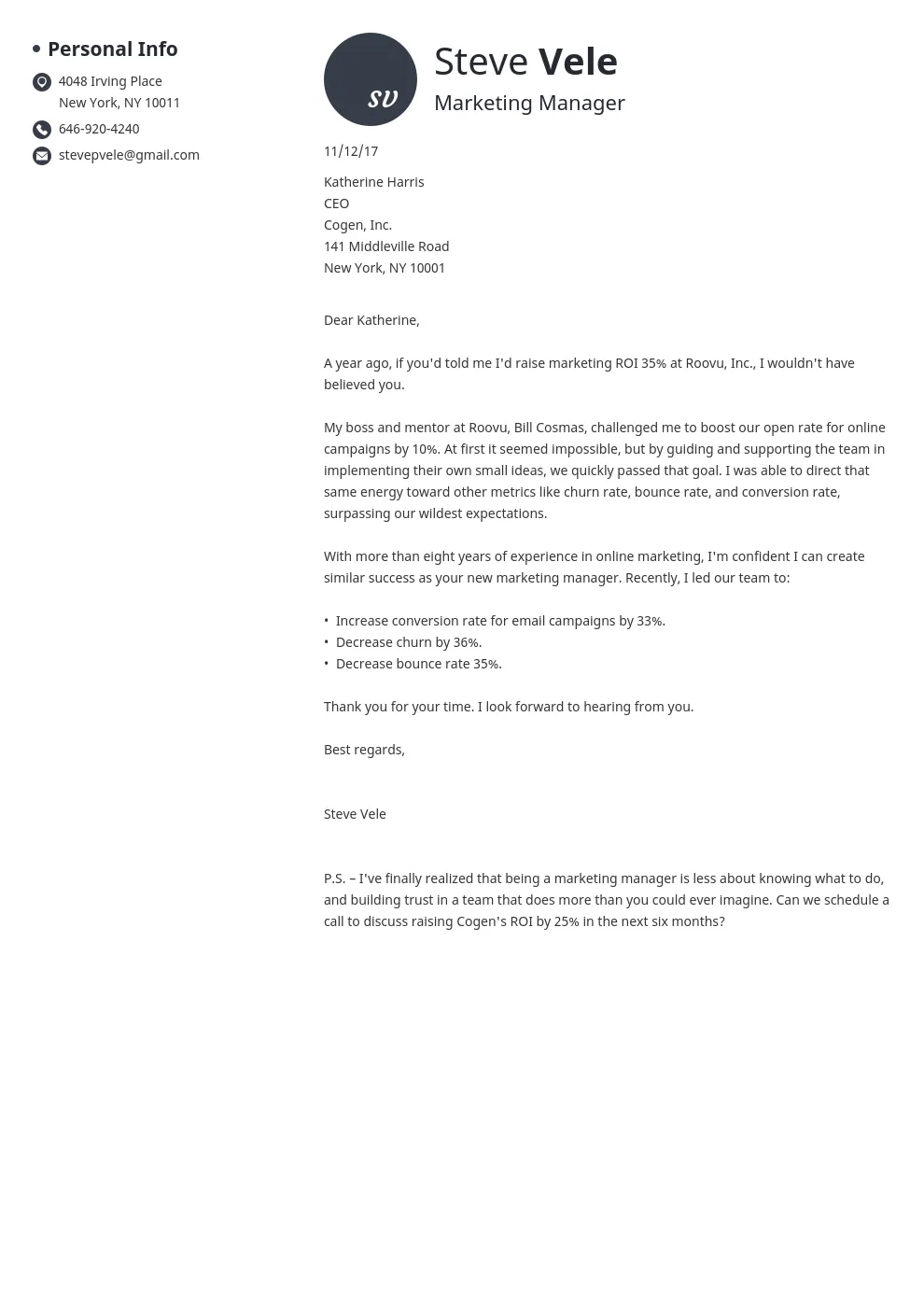
Understanding Cover Letter Importance
In the competitive landscape of job applications, your cover letter serves as your personal introduction, a crucial tool to highlight your qualifications and personality beyond your resume. Many job seekers underestimate the impact of a well-crafted cover letter, often treating it as a formality rather than a strategic opportunity. However, it’s often the first impression you make on a potential employer and can significantly influence whether your application moves forward. A strong cover letter not only complements your resume but also provides context, demonstrating your enthusiasm for the specific role and company. It’s your chance to tell a story that captures the reader’s attention, setting you apart from the multitude of applicants vying for the same position. By taking the time to perfect your cover letter, you’re investing in your career and increasing your chances of landing an interview.
Why Your Cover Letter Matters
Your cover letter matters because it provides a platform to expand on your resume, offering a narrative that your resume cannot convey. It is where you can demonstrate your genuine interest in the position and the company, showcasing your understanding of their needs and how you can contribute to their success. It shows that you’re not just sending out applications, but that you’ve taken the time to understand the job requirements and tailor your message accordingly. This personalization is key. Moreover, a well-written cover letter helps you explain gaps in employment, career changes, or any unique circumstances that might be relevant to your application. In essence, it is a chance to make a compelling case for why you should be the one selected for an interview, going beyond the facts to connect with the hiring manager on a personal level.
The Role of a Cover Letter in the Application Process

Within the application process, the cover letter often acts as a preliminary screening tool. Recruiters and hiring managers use it to quickly assess whether your application is worth further consideration. It gives them a snapshot of your communication skills, your ability to convey your message clearly, and your overall professionalism. This initial review is critical, as it decides whether your resume, where all your qualifications and work experience are detailed, gets a closer look. A strong cover letter therefore significantly increases the likelihood of your application being seen, providing the first indication of your suitability for the role. It sets the tone for your application, signaling to the employer that you are a serious candidate who has taken the time to understand the role and the company.
Crafting a Compelling Cover Letter
Creating a compelling cover letter starts with a solid understanding of the job requirements and the company’s values. It’s not a one-size-fits-all document; each cover letter should be tailored to the specific position you are applying for. Research the company, its mission, and the specific demands of the role. This level of insight allows you to directly address the employer’s needs and show how your skills and experience align with their goals. Highlighting relevant skills and experiences is crucial, but do so in a narrative form, showing your accomplishments and what makes you the ideal candidate. A compelling letter should be concise, well-structured, and engaging, capturing the reader’s attention from the very start. It should be a showcase of your written communication skills, demonstrating your ability to present yourself and your qualifications effectively.
Key Elements of an Effective Cover Letter
An effective cover letter has several key components that contribute to its overall impact. Begin with a professional salutation, addressing the hiring manager by name if possible. Then, clearly state the position you are applying for and where you found the job posting. The body of your letter should highlight your relevant skills and experience, using specific examples to illustrate your achievements. Quantify your accomplishments whenever possible, using numbers and data to demonstrate your impact in previous roles. Show your enthusiasm for the opportunity and the company. The closing should reiterate your interest and include a call to action, such as expressing your willingness to discuss your qualifications further in an interview. Finally, always proofread your letter for any grammatical errors or typos, which can undermine your credibility.
Highlighting Your Skills and Experience

In your cover letter, highlighting your skills and experience is a critical step. This involves identifying the key skills and experiences the employer is seeking and then demonstrating how you possess them. Go beyond merely listing your qualifications; instead, provide concrete examples of how you have utilized these skills to achieve results in past roles. Use the STAR method (Situation, Task, Action, Result) to structure your examples, making them more impactful and memorable. For instance, instead of saying “I have strong communication skills,” describe a specific project where you effectively communicated with a team to achieve a particular goal. Tailor your examples to the specific job requirements, emphasizing the skills and experiences that are most relevant to the position, showing how you are a good fit.
Tailoring Your Letter to the Job
Tailoring your cover letter to each job application is non-negotiable in today’s competitive job market. Generic cover letters are quickly discarded by recruiters, so personalize each letter to the specific job and company. Start by carefully reviewing the job description, noting the key requirements and preferred qualifications. Then, customize your letter to address these needs directly. Show how your skills and experience align with the specific demands of the role and provide examples that demonstrate your ability to meet those requirements. Research the company to understand its culture, values, and mission. Reflect this understanding in your letter by expressing genuine interest in the company and explaining why you want to work there. Highlighting your understanding of the company’s goals proves your dedication.
Showcasing Your Achievements
Showcasing your achievements is a powerful way to set yourself apart from other applicants. Instead of simply listing your responsibilities, use your cover letter to highlight your accomplishments in previous roles. Focus on the positive results you achieved, such as increased sales, improved efficiency, or successful project completion. Quantify your achievements whenever possible by including numbers and data to demonstrate your impact. For instance, you might say, “Increased sales by 15% in one quarter” or “Managed a project that was completed two weeks ahead of schedule and under budget.” Use action verbs to describe your accomplishments and provide specific examples. This makes your achievements more tangible and memorable, showing the hiring manager the value you can bring to the company.
Formatting and Structure for Impact

The formatting and structure of your cover letter play a significant role in its impact. A well-formatted letter is easy to read and visually appealing, which helps to keep the reader engaged. Choose a professional font, such as Times New Roman, Arial, or Calibri, and maintain a consistent font size. Use clear and concise language, breaking up large blocks of text into smaller paragraphs. The structure of your cover letter should include a clear opening, body, and closing. In the opening, state the position you are applying for and where you found the job posting. The body should highlight your relevant skills and experience, providing specific examples and quantifiable results. The closing should reiterate your interest in the position and the company. Proper formatting and structure contribute to a polished and professional presentation.
Choosing the Right Tone and Style
The tone and style of your cover letter should be professional, enthusiastic, and tailored to the company and the specific role. Research the company’s culture and values to determine the appropriate tone. If the company has a more relaxed culture, it might be acceptable to use a slightly more informal tone, but always maintain professionalism. Use active voice and positive language, avoiding negative phrasing or self-deprecating comments. Demonstrate your enthusiasm for the position and the company, but avoid sounding overly eager or desperate. Your writing should be clear, concise, and error-free. Proofread your letter carefully to ensure that your tone and style are consistent and that your message is conveyed effectively. Choose words that demonstrate your writing skills and leave a great impression.
Making a Strong Opening
The opening paragraph of your cover letter is your first opportunity to capture the hiring manager’s attention. It should immediately state the position you are applying for and where you found the job posting. Instead of simply stating these facts, try to make your opening more engaging. Start with a brief anecdote, a compelling statement about your passion for the industry, or a specific achievement that aligns with the job requirements. This will hook the reader and encourage them to continue reading. You might express enthusiasm for the company and the opportunity. Ensure your opening is tailored to the specific job and company, demonstrating that you have done your research and are genuinely interested in the role. A strong opening sets the stage for the rest of your letter, making a positive first impression.
Grabbing Attention from the Start

To grab attention from the start, make your cover letter unique and tailored to the specific job and company. Avoid generic opening lines and instead, immediately show your enthusiasm and interest. If you know someone at the company, mention them. Highlight a specific skill or experience that aligns with the job requirements. Use a strong, confident tone from the beginning, but don’t be arrogant. Quantify your achievements or provide a compelling statistic to capture the reader’s interest. Show that you understand the company’s needs and that you are genuinely interested in the opportunity. Make sure your opening paragraph is concise and to the point, capturing the essence of your message in a few sentences. The goal is to make the hiring manager want to read more and consider your application.
Writing a Powerful Body
The body of your cover letter is where you make the case for why you are the right fit for the job. This section should expand on your resume, providing specific examples of your skills, experience, and accomplishments. Use the STAR method to structure your responses, providing context, your task, your actions, and the results. Tailor your content to the specific requirements of the job, focusing on the skills and experiences that align with the employer’s needs. Back up your claims with data and quantifiable results whenever possible. This allows you to showcase the positive impact you have made in previous roles. Structure your paragraphs logically, using clear topic sentences and transitions to guide the reader. The body of your cover letter is your opportunity to present yourself as a valuable asset.
Structuring Your Paragraphs for Clarity
Structuring your paragraphs for clarity is essential for making your cover letter easy to read and understand. Each paragraph should focus on a single idea or topic, with a clear topic sentence that introduces the main point. Use supporting sentences to provide specific examples, details, and evidence that support your claim. Maintain a logical flow between paragraphs, using transition words and phrases to connect your ideas. This helps the reader follow your train of thought and understand how your skills and experience align with the job requirements. Keep your paragraphs concise and to the point, avoiding overly long or complex sentences. Proper paragraph structure ensures your message is communicated effectively, making a lasting impression.
Using Action Verbs to Describe Accomplishments

Using action verbs is an effective way to make your cover letter more impactful and engaging. Action verbs bring your accomplishments to life and show that you are a proactive and results-oriented individual. Instead of using passive language, start your sentences with strong verbs that describe your actions and achievements. For example, instead of saying “Was responsible for managing projects,” use “Managed and successfully delivered projects.” When describing your skills and experience, use verbs that are relevant to the job requirements. Research the job description and identify the key skills the employer is seeking. Then, use action verbs that demonstrate how you have used those skills to achieve results. Action verbs allow you to craft a narrative that tells how you brought value to the company.
Adding Quantifiable Results
Adding quantifiable results to your cover letter is crucial for demonstrating your impact in previous roles. Whenever possible, back up your claims with data, metrics, and statistics. This makes your accomplishments more tangible and persuasive, allowing the hiring manager to understand the value you can bring to their company. Use numbers to show your success, such as the percentage of sales increased, the number of projects completed, or the amount of money saved. These details quantify your achievements, making them more impressive. Use quantifiable results throughout your letter to show your abilities, demonstrating that you are focused on performance. This will create a great impression on your future employer.
Creating a Memorable Closing
Your closing paragraph is your final opportunity to leave a lasting impression on the hiring manager. It should reiterate your interest in the position and the company, expressing your enthusiasm for the opportunity. Thank the hiring manager for their time and consideration, demonstrating your appreciation. Include a call to action, such as expressing your willingness to discuss your qualifications further in an interview. Make sure your closing is concise, professional, and enthusiastic, leaving the reader with a positive impression of you. The closing should summarize why you are a great fit for the role and the next steps the company could take.
Reiterating Your Interest and Value

In your closing, reiterating your interest and value is essential for reinforcing your message and making a strong impression. Restate your enthusiasm for the position and the company, demonstrating that you are genuinely excited about the opportunity. Summarize the key skills and experiences that make you a good fit for the role, reminding the hiring manager of your qualifications. Show how your skills and experience align with the company’s needs and goals. By reiterating your interest and value, you leave the reader with a clear understanding of what you can bring to the table. This is a chance to summarize how your skills fit the job requirements.
Including a Call to Action
Including a call to action in your closing is a powerful way to encourage the hiring manager to take the next step. Make it easy for the hiring manager to take action by stating your willingness to discuss your qualifications further in an interview. Provide a specific action, such as mentioning your availability for a phone call or an in-person interview. This shows that you are proactive and eager to move forward in the application process. Including a call to action increases your chances of getting an interview and ultimately landing the job. Make sure to thank the hiring manager for their time and consideration, demonstrating your professionalism.
Polishing Your Cover Letter
Polishing your cover letter involves proofreading and editing your work carefully. Pay close attention to grammar, spelling, punctuation, and sentence structure. These errors can undermine your credibility and make a negative impression on the hiring manager. Read your letter aloud to catch any awkward phrasing or unclear sentences. Have a friend, colleague, or career advisor review your letter for feedback and suggestions. Proofread your letter multiple times to catch any errors. Take the time to review it. A well-polished cover letter is a reflection of your professionalism and attention to detail. It is an investment in your career, increasing your chances of getting noticed and landing an interview.
Proofreading and Editing for Perfection
Proofreading and editing for perfection is a non-negotiable part of the cover letter writing process. Errors in grammar, spelling, and punctuation can immediately disqualify your application. Carefully review your cover letter multiple times, looking for any mistakes. Read it aloud to catch any awkward phrasing or unclear sentences. Use spell check and grammar check tools, but don’t rely on them entirely. Consider having someone else review your cover letter for feedback, as a fresh pair of eyes can often catch errors you might miss. Make sure that the tone and style are consistent throughout your letter. Proofreading and editing is about attention to detail. Make it a priority so you can showcase your writing skills.
Avoiding Common Cover Letter Mistakes
Avoiding common cover letter mistakes can significantly improve your chances of success. One of the most common mistakes is using a generic, one-size-fits-all cover letter. Make sure you tailor each letter to the specific job and company. Another mistake is not proofreading and editing your letter carefully. Ensure your letter is free of grammatical errors and typos. Some people write cover letters that are too long or too short. Aim for a concise and well-structured letter that is easy to read. Avoid using clichés or overly formal language. Choose a professional and engaging tone. Finally, do not include information that is not relevant to the job or the company. By avoiding these mistakes, you can create a compelling cover letter.
Seeking Feedback for Improvement
Seeking feedback is an essential step in improving your cover letter. Ask friends, colleagues, career advisors, or mentors to review your letter and provide honest feedback. Provide them with the job description and ask them to assess whether your letter effectively addresses the key requirements. Be open to their suggestions and willing to make revisions based on their input. You might ask someone who has experience in the hiring field. You can also use online cover letter review services or resources to get additional feedback. Constructive criticism can help you identify areas where you can strengthen your letter. Embrace feedback as an opportunity to refine your cover letter and improve your chances of landing an interview and getting hired. The process of improving makes you better.