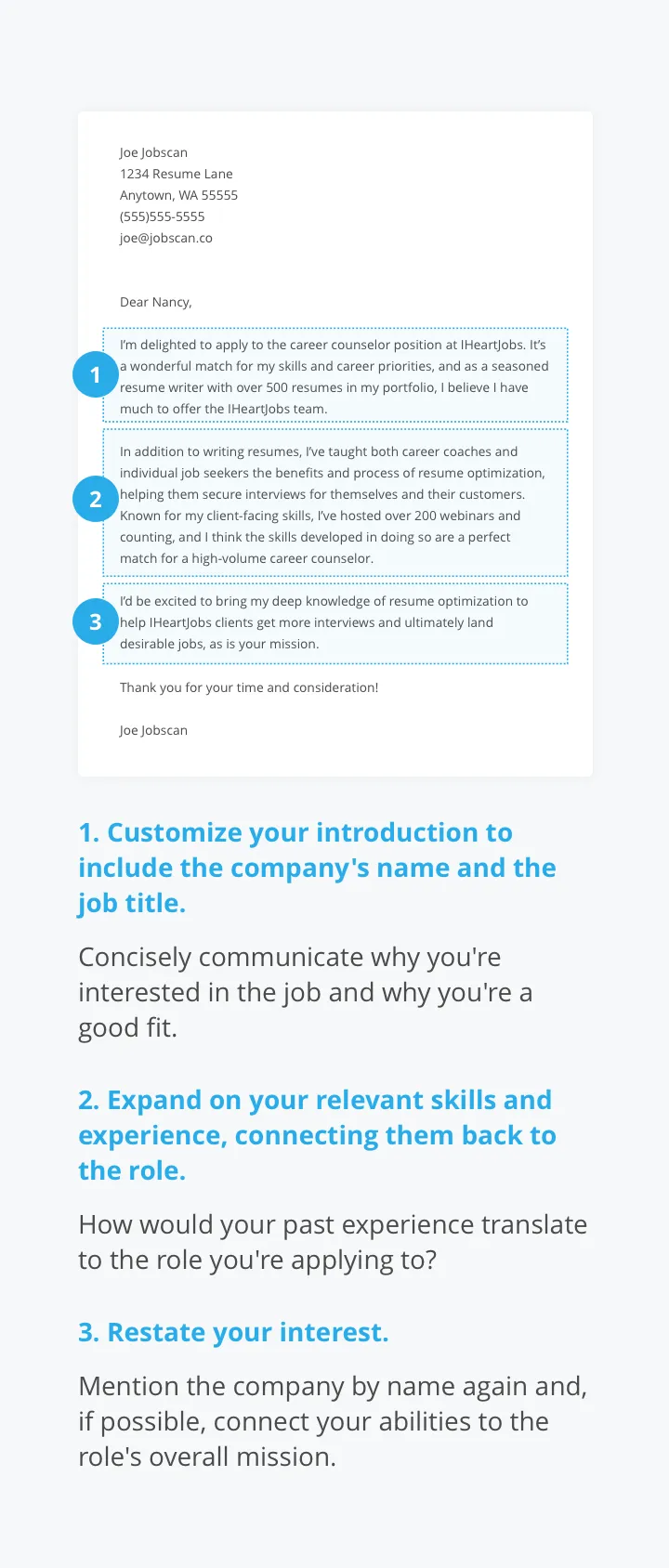
What is a Cover Letter
A cover letter is a one-page document that you submit as part of your job application alongside your resume. It serves as an introduction to your qualifications and expresses your interest in a specific job opportunity. Think of it as your first impression – it’s your chance to make a strong statement and convince the hiring manager to read your resume. Unlike a resume, which provides a factual overview of your skills and experience, a cover letter allows you to showcase your personality, writing skills, and enthusiasm for the position. It bridges the gap between your resume and the job requirements, highlighting the most relevant aspects of your background and why you’re a great fit for the role.
The Purpose of a Cover Letter
The primary purpose of a cover letter is to get you an interview. It does this by demonstrating your interest in the company and the specific role, illustrating how your skills and experience align with the job requirements, and highlighting your key accomplishments. A well-crafted cover letter goes beyond simply restating your resume; it provides context and tells a story. It explains why you are interested in the position, what motivates you, and what you hope to achieve. It also allows you to address any potential concerns or gaps in your resume, such as a career change or a period of unemployment. Ultimately, a cover letter is your opportunity to persuade the hiring manager that you’re the ideal candidate and encourage them to invite you for an interview.
5 Key Components of a Cover Letter

A strong cover letter consists of several key components that work together to make a compelling case for your candidacy. These components ensure that your letter is well-organized, informative, and persuasive, increasing your chances of getting noticed by the hiring manager. Each component plays a vital role in conveying your qualifications, enthusiasm, and suitability for the job.
Contact Information
Start your cover letter with your contact information, including your name, phone number, email address, and optionally, your LinkedIn profile URL. This information should be clearly displayed at the top of the letter, making it easy for the hiring manager to reach you. Ensure that your contact information is accurate and professional. Double-check your email address and phone number for any typos. Consider using a professional-sounding email address (e.g., firstname.lastname@email.com) to make a positive first impression. This section is crucial for ensuring that the hiring manager can easily connect with you if they are interested in your application.
Personalized Salutation
Address the hiring manager by name whenever possible. Research the company and the specific hiring manager for the role. If you can’t find a specific name, use a professional salutation such as “Dear Hiring Manager” or “Dear [Department Name] Team.” Avoid generic greetings like “To Whom It May Concern,” which can make your letter feel impersonal. Addressing the letter to a specific person demonstrates that you’ve taken the time to research the company and shows your genuine interest in the opportunity. It adds a personal touch and makes the letter more engaging.
Body Paragraphs (Highlighting Skills & Experience)

The body of your cover letter is where you showcase your skills and experience. Tailor each paragraph to match the specific requirements of the job. Highlight relevant skills and accomplishments that demonstrate your ability to excel in the role. Use the job description as a guide to identify the key qualifications the employer is seeking, and then provide specific examples from your work history that prove you possess those skills. Quantify your achievements whenever possible by using numbers and data to illustrate your impact. For example, instead of saying “Managed social media,” say “Increased social media engagement by 30% in six months.” This section is the core of your cover letter, so make sure to clearly articulate how your background aligns with the job’s needs.
Demonstrating Value
In the body of your cover letter, go beyond simply listing your qualifications; demonstrate the value you bring to the company. Explain how your skills and experience will benefit the organization and help them achieve their goals. Show the hiring manager how you can solve their problems or contribute to their success. Research the company and understand their mission, values, and challenges. Then, in your cover letter, explain how your skills and experience can help them overcome those challenges or contribute to their mission. By focusing on the value you offer, you demonstrate that you are not just looking for a job but are eager to make a meaningful contribution to the company.
Call to Action
Conclude your cover letter with a clear call to action. This is a direct statement that encourages the hiring manager to take the next step, such as scheduling an interview. Express your enthusiasm for the opportunity and reiterate your interest in the position. Make it easy for the hiring manager to contact you by including your contact information once again. For example, you could write: “Thank you for your time and consideration. I am eager to learn more about this opportunity and discuss how my skills and experience can benefit your team. I am available for an interview at your earliest convenience.” A strong call to action leaves the hiring manager with a clear understanding of what you want them to do and motivates them to move forward with your application.
Professional Closing

End your cover letter with a professional closing, such as “Sincerely,” “Respectfully,” or “Best regards.” Avoid casual closings like “Thanks” or “See ya.” Following the closing, include your full name. A professional closing adds a polished touch to your cover letter and reinforces your professionalism. It leaves a positive impression on the hiring manager and shows that you’ve paid attention to detail. Ensure that your closing is appropriate for the tone of your letter and reflects the level of formality required for the specific job and company.
Tips for Writing a Compelling Cover Letter
Crafting a compelling cover letter requires careful attention to detail, strong writing skills, and a strategic approach. Focus on creating a letter that is personalized, concise, and tailored to the specific job and company. Here are several tips to help you create a cover letter that stands out from the competition. This will improve your chances of securing an interview and ultimately landing your dream job.
Tailoring Your Cover Letter
Always tailor your cover letter to each specific job you apply for. Generic cover letters are easily identified and often discarded. Take the time to carefully review the job description and identify the key requirements, skills, and qualifications the employer is seeking. Then, customize your letter to highlight the most relevant aspects of your experience and demonstrate how your skills align with the job’s needs. This includes using keywords from the job description, addressing the specific needs of the company, and showcasing your understanding of the role. Tailoring your letter shows the hiring manager that you’re genuinely interested in the position and have taken the time to understand what they’re looking for.
Proofreading and Editing

Before submitting your cover letter, meticulously proofread and edit it for any errors in grammar, spelling, and punctuation. Errors can undermine your credibility and make a negative impression on the hiring manager. Read your letter several times, and consider asking a friend, family member, or career counselor to review it as well. Use spell-check and grammar-check tools, but don’t rely on them completely. Pay close attention to sentence structure, word choice, and overall clarity. A well-written, error-free cover letter demonstrates your attention to detail and professionalism. It also showcases your communication skills, which are essential in most jobs.
Common Cover Letter Mistakes to Avoid
Avoiding common mistakes is crucial for crafting an effective cover letter. By being aware of these pitfalls, you can increase your chances of making a positive impression on the hiring manager. Here are some common errors to avoid, ensuring your cover letter is polished, professional, and persuasive. By avoiding these common pitfalls, you can significantly improve the impact of your cover letter and increase your chances of success in your job search.