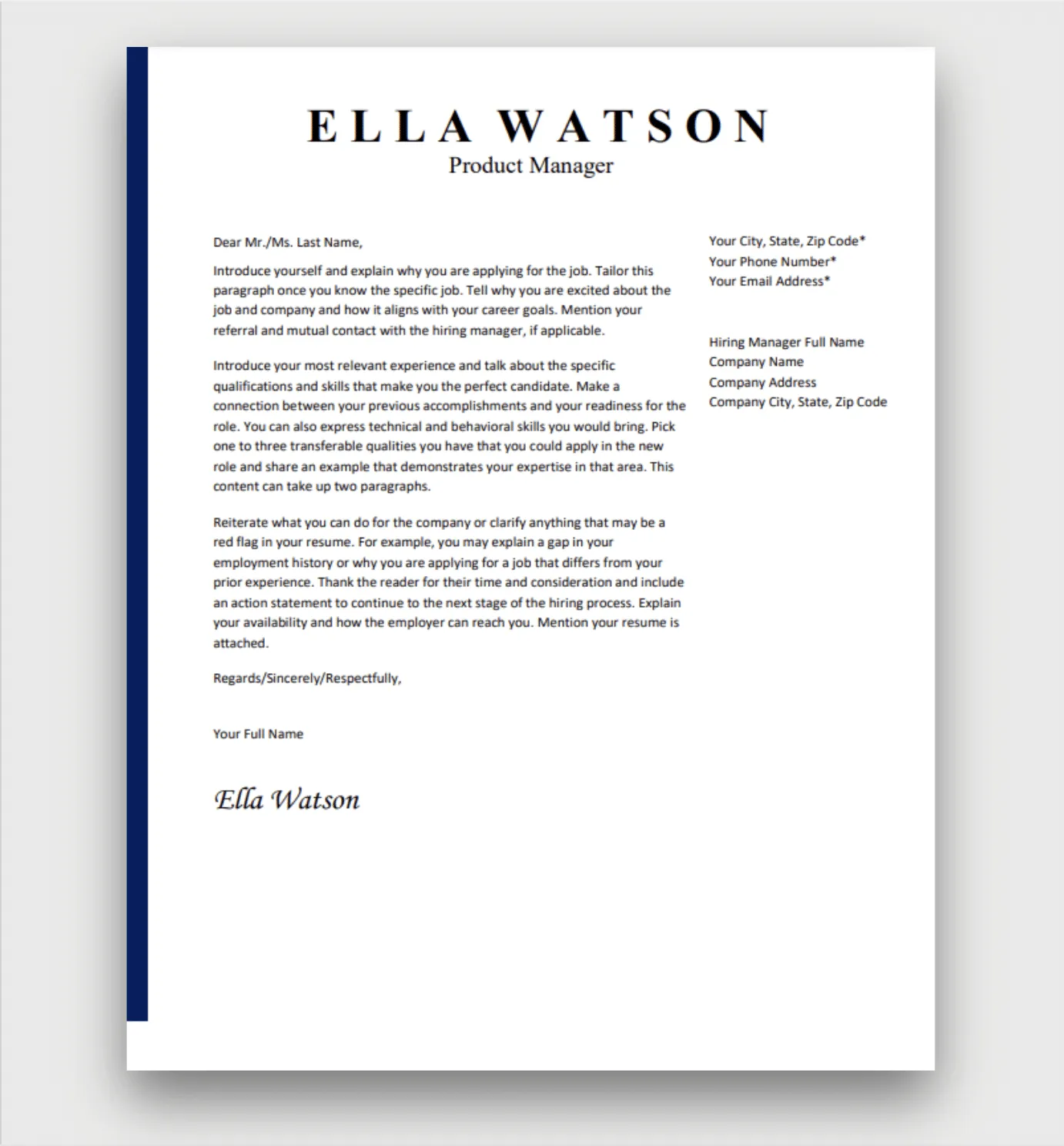
Understanding Cover Letters for Online Applications
In the digital age, online applications have become the standard for job hunting. Alongside your resume, a well-crafted cover letter is crucial. It serves as your initial introduction to a potential employer and offers a unique opportunity to showcase your personality, skills, and enthusiasm for the role. This guide provides comprehensive insights and practical tips to help you create compelling cover letters that stand out in the competitive landscape of online applications. By following these guidelines, you can significantly increase your chances of landing an interview and ultimately securing your desired job.
The Importance of a Cover Letter
Many job seekers underestimate the power of a cover letter, but it’s a vital component of any successful job application. It is your first impression and offers an opportunity to make a personal connection. A compelling cover letter can differentiate you from other applicants, especially if your resume alone doesn’t fully capture your qualifications or the nuances of your experience. Think of it as your chance to tell a story, explain your career aspirations, and highlight why you are the perfect fit for this specific position and company. Make sure to take advantage of this opportunity. (cover-letter-online-application-1.webp)
Why a Cover Letter Matters

A cover letter adds context to your resume. It provides an opportunity to explain gaps in your employment history, clarify career changes, or elaborate on your skills and experiences in ways that a resume cannot. It demonstrates your communication skills and attention to detail, which are essential qualities in most professional settings. It shows your genuine interest in the position and the company, indicating that you’ve gone the extra mile to personalize your application. This proactive approach can leave a lasting impression on the hiring manager, increasing your chances of moving forward in the application process.
Benefits of a Well-Written Cover Letter
A well-crafted cover letter can significantly increase your chances of securing an interview. It helps you showcase your personality and enthusiasm, making you more memorable to the hiring manager. You can highlight relevant skills and experiences that perfectly align with the job requirements, making your application more targeted and effective. It allows you to address any potential concerns or questions the hiring manager might have about your qualifications or background. A strong cover letter demonstrates your commitment and dedication to the job search, which can make you stand out from less prepared candidates.
Key Components of a Cover Letter for Online Applications
A well-structured cover letter follows a standard format, including key components to make it clear, concise, and impactful. Each element plays a crucial role in conveying your qualifications, expressing your interest, and persuading the hiring manager to consider you for the role. By adhering to this standard structure, you can present your application professionally, making it easy for the reader to understand your skills, experiences, and motivations. This structured approach will improve your chances of getting your foot in the door. (cover-letter-online-application-2.webp)
Contact Information

Accurate contact information is crucial for the employer to reach you. This section should include your name, phone number, email address, and optionally, your LinkedIn profile URL or personal website. Ensure that the information is up-to-date and professional. Proofread it carefully to prevent any errors that could hinder the employer’s ability to contact you. This basic step ensures that the hiring manager can quickly and easily reach you if they are interested in scheduling an interview or have any questions about your application.
Applicant’s Contact Information
At the top of your cover letter, on the left or right side, include your full name, address, phone number, and email address. This ensures that the hiring manager can easily find your contact details. Using a professional-sounding email address is also advisable; avoid using nicknames or unprofessional language. Always double-check that your phone number and email address are correct and that your voicemail is set up professionally.
Recipient’s Contact Information
Below your contact information, include the date and the hiring manager’s name, title, and the company’s address if you have it. Researching the hiring manager’s name is highly recommended, as addressing your letter to a specific person demonstrates your attention to detail and genuine interest in the role. If you’re unable to find the hiring manager’s name, addressing the letter to the Hiring Manager or the Recruitment Team is also acceptable.
The Salutation

The salutation sets the tone for the rest of your cover letter. Using a formal and professional greeting shows respect for the hiring manager and the company. The correct salutation will create a positive initial impression and set the stage for a well-received application. It demonstrates that you are taking the application process seriously. (cover-letter-online-application-3.webp)
Appropriate Greetings
Use formal greetings such as “Dear Mr./Ms./Mx. [Last Name]” or “Dear Hiring Manager.” If you’re unsure of the hiring manager’s gender, “Dear [First Name] [Last Name]” is acceptable. Avoid informal greetings like “Hello” or “Hi.” Always capitalize the first word of the greeting and include a colon after the name or title. Maintaining this formality helps create a positive first impression, demonstrating your professionalism and respect for the recipient.
How to Address the Hiring Manager
Research the hiring manager’s name and use it in your salutation. Addressing the letter to a specific person shows that you’ve done your homework and are genuinely interested in the position. If you cannot find the name, “Dear Hiring Manager” is acceptable. Always use the appropriate title (Mr., Ms., or Mx.) and double-check the spelling of the name. This personalized approach makes your cover letter stand out from generic applications, showing you have taken the time to connect with the company.
Body Paragraphs

The body paragraphs are where you showcase your qualifications, skills, and enthusiasm for the role. Each paragraph should serve a specific purpose, from grabbing the reader’s attention to highlighting your relevant experiences. Use this space to create a compelling narrative, demonstrating why you are the ideal candidate for the job. A well-structured body will hold the reader’s attention and make them more interested in your application. (cover-letter-online-application-4.webp)
Opening Paragraph
The opening paragraph is your opportunity to make a strong first impression. It should immediately capture the reader’s attention and clearly state your interest in the position. Your opening paragraph should be concise, engaging, and directly related to the job requirements. It sets the tone for the rest of the letter and influences the hiring manager’s perception of your application. Start with a strong, clear statement of your interest and then connect your experience with the company’s needs.
Grab Attention
Start your opening paragraph with a strong hook to grab the reader’s attention. Consider mentioning how you learned about the position, a particular aspect of the company that excites you, or a brief statement about your relevant experience. Avoid generic opening lines such as “I am writing to express my interest.” Instead, use a sentence that highlights something unique or demonstrates your specific interest in the role or company.
State Your Interest

Clearly state the position you’re applying for in the opening paragraph. Be specific and mention the job title. Indicate where you found the job posting (e.g., “I am writing to apply for the Marketing Manager position, as advertised on LinkedIn”). This ensures that the hiring manager immediately knows the purpose of your letter. This clarity sets the stage for the rest of the letter and helps the hiring manager quickly understand your intentions.
Middle Paragraphs
The middle paragraphs are where you delve into your skills, experience, and accomplishments. The goal is to demonstrate how your qualifications align with the job requirements and why you are the best candidate. Tailor these paragraphs to the specific job, highlighting the skills and experiences most relevant to the position. These paragraphs should provide concrete examples of your accomplishments and demonstrate how you have contributed to past successes, supporting your claims with evidence.
Highlight Relevant Skills and Experience
Identify the key skills and experiences that the job description emphasizes and showcase how you have demonstrated those skills in the past. Provide specific examples to back up your claims. Use action verbs to describe your accomplishments and quantify your achievements whenever possible. Focus on the abilities and experiences most relevant to the job. This approach will show the hiring manager that you understand the job requirements and are well-equipped to handle the responsibilities.
Quantify Achievements

Whenever possible, quantify your achievements to demonstrate the impact of your work. Use numbers, percentages, or other measurable data to highlight your successes. Instead of saying “Improved customer satisfaction,” state “Improved customer satisfaction by 15% through implementing a new feedback system.” Quantifying your achievements makes your accomplishments more tangible and gives the hiring manager a clearer understanding of your value. This quantifiable data shows your impact and provides solid evidence to support your claims.
Closing Paragraph
Your closing paragraph should express gratitude and include a clear call to action. Reiterate your interest in the position and thank the hiring manager for their time and consideration. Keep the closing concise and professional, leaving a positive and lasting impression. Your closing paragraph is your last chance to reinforce your interest in the position and give the hiring manager a clear path to the next step in the application process. (cover-letter-online-application-5.webp)
Express Gratitude
Thank the hiring manager for their time and consideration. Show your appreciation for their reviewing your application. A simple statement like “Thank you for your time and consideration” is sufficient. This small gesture shows respect and professionalism. This closing demonstrates your appreciation for the opportunity and makes the hiring manager feel valued.
Call to Action
Include a call to action by expressing your interest in an interview. State that you are available for an interview and provide your contact information again. Offer to provide any additional information they may need. This demonstrates your enthusiasm and makes it easy for the hiring manager to take the next step. A clear call to action prompts the hiring manager to contact you, making it more likely that your application will move forward in the selection process.
Formatting Your Cover Letter for Online Applications
Proper formatting is essential to ensure your cover letter is easy to read and visually appealing. It is important to choose the right font, font size, spacing, and file format to make your cover letter professional. Following these guidelines helps the hiring manager quickly understand and appreciate your letter. Formatting affects the readability, making your application more accessible and professional. (cover-letter-online-application-6.webp)
Choosing the Right Font
Selecting a professional and readable font is important for creating a good first impression. The right font can make your cover letter look polished and easy to read. This will help the hiring manager focus on the content. The wrong font choice can distract and make your application look unprofessional. Fonts should be simple and clear, ensuring the hiring manager will find your application easy to read.
Font Recommendations
Use standard, professional fonts such as Times New Roman, Arial, Calibri, or Helvetica. These fonts are widely recognized and easy to read on various devices. Avoid using overly ornate or unusual fonts. Stick to fonts that are clear, clean, and easily accessible. Standard fonts enhance readability and create a polished look.
Font Size and Spacing
Use a font size between 10 and 12 points. Use single spacing for the body of the letter and double spacing between paragraphs. Ensure there is sufficient white space to make the letter look clean and uncluttered. Adequate spacing enhances readability and makes the text easier to scan. The right font size and spacing allow the hiring manager to read your letter without difficulty, showing professionalism. (cover-letter-online-application-7.webp)
File Format and Submission
When submitting your cover letter online, choosing the correct file format and adhering to the application instructions are essential. The file format determines how easily the hiring manager can open and view your document. Make sure you follow the application instructions to ensure your application is received correctly. (cover-letter-online-application-6.webp)
Preferred File Types
The preferred file format for cover letters is typically PDF (Portable Document Format). PDFs preserve the formatting of your document, ensuring that the hiring manager sees it as intended. This format ensures that your layout, fonts, and spacing are consistent across different devices and operating systems. Word documents (DOC or DOCX) are sometimes accepted, but PDF is generally preferred for consistency.
How to Name Your File
Use a clear and descriptive file name that includes your name and the job title or company name. For example, “JohnDoe_CoverLetter_MarketingManager.pdf.” This allows the hiring manager to easily identify your cover letter among numerous other applications. A well-named file is a simple yet effective way to demonstrate your attention to detail and professionalism. This easy identification will keep your application organized, making it simple to locate.
Common Mistakes to Avoid
Avoiding common mistakes can significantly improve your cover letter and increase your chances of success. These errors can damage your application and create a negative impression on the hiring manager. Be mindful of these mistakes and take steps to prevent them when writing your cover letter.
Generic Cover Letters
Avoid sending generic cover letters that are not tailored to the specific job or company. Customize your letter for each application. Generic cover letters demonstrate a lack of interest. Tailor your cover letter to each specific role, highlighting the skills and experiences that align with the job description. This effort demonstrates to the hiring manager that you have put in the time and effort to understand the company’s needs and are genuinely interested in the position.
Typos and Grammatical Errors
Typos and grammatical errors can immediately make your cover letter look unprofessional. Proofread your letter carefully before submitting it. Use spell check and grammar check tools. Consider having a friend or family member review your cover letter for errors. Proofreading is a fundamental part of your application process. A clean, error-free cover letter showcases your attention to detail and communication skills. This effort will strengthen your chances of getting an interview.
Ignoring Instructions
Carefully review the job posting and application instructions. Follow them precisely. Ignoring instructions can signal a lack of attention to detail. This includes the required file format, length of the cover letter, and any specific questions or requests. Failure to adhere to these instructions can lead to your application being immediately rejected. Follow all the instructions to show the hiring manager that you can follow directions.
Tailoring Your Cover Letter
Tailoring your cover letter is crucial for making a strong impression on the hiring manager. Customizing your letter shows that you have researched the company and the position. Tailoring helps you demonstrate your specific qualifications and highlight how your skills and experiences align with the job requirements. Customization shows genuine interest and a clear understanding of the role and company.
Researching the Company
Before writing your cover letter, research the company. Visit their website, read their mission statement, and look at their recent news and projects. Show that you understand their values, goals, and challenges. Demonstrate how your skills and experiences can benefit the company. Showing that you have researched the company makes your application more meaningful. (cover-letter-online-application-1.webp)
Identifying Key Skills
Carefully review the job description and identify the key skills and qualifications the employer seeks. Make a list of the skills and experiences that match those requirements. This helps you tailor your cover letter to highlight the most relevant information. Highlighting the key skills the employer is looking for helps you target your application effectively. By carefully analyzing the job description, you can ensure your cover letter directly addresses the company’s needs. This ensures your application aligns with what the employer is seeking.
Matching Skills to Job Requirements
In your cover letter, clearly demonstrate how your skills and experiences align with the job requirements. Provide specific examples of your achievements and quantify your accomplishments whenever possible. Instead of saying, “I have experience in project management,” you could say, “Managed projects with budgets up to $500,000, delivering them on time and within budget.” By matching your skills, you make your application relevant and appealing. By aligning your skills with the job requirements, you show the hiring manager that you are a strong fit. This focused approach significantly increases your chances of getting an interview.