Crafting a Compelling Cover Letter for Content Managers
As a content manager, you’re in the business of crafting compelling narratives, engaging audiences, and communicating effectively. This skillset is essential not only for your professional work but also in securing your next role. A well-crafted cover letter is your opportunity to showcase your unique abilities, experience, and personality to potential employers. Think of it as a concise, targeted marketing piece for your content management expertise. This guide will walk you through the critical steps to create a cover letter that grabs attention, highlights your value, and increases your chances of landing an interview.
Understanding the Purpose of a Cover Letter
Before diving into the specifics, it’s essential to understand the role a cover letter plays. A cover letter is not just a formality; it’s your chance to make a strong first impression and provide context to your resume. It allows you to elaborate on your skills and experiences in a way that a resume alone cannot. It demonstrates your communication skills, enthusiasm for the role, and understanding of the company. By clearly articulating your value proposition, you can set yourself apart from other applicants and demonstrate why you’re the ideal content manager for the position. Consider it a direct communication channel, speaking personally to the hiring manager.
Highlighting Your Skills and Experience

Your cover letter is the ideal place to highlight your core content management skills and provide concrete examples of your achievements. Focus on the skills that align with the job description and demonstrate your ability to succeed in the role. Show, don’t just tell. Rather than simply stating you’re a skilled writer, showcase your ability by referencing successful campaigns you’ve managed, audience growth you’ve achieved, or projects you’ve spearheaded. This approach adds credibility and makes your application more memorable. Always tailor these examples to match the job requirements, demonstrating your understanding of what the employer is seeking in a content manager.
Key Components of a Content Manager Cover Letter
A well-structured cover letter is easy to read and provides the hiring manager with a clear overview of your qualifications. The core components, when put together, deliver a solid message to the employer. A disorganized and poorly written letter can be detrimental, making it seem like you lack the attention to detail expected from a content manager. Pay attention to structure and flow of information to present your skills and experience in a manner that is both effective and easy to follow. Ensure each section contributes meaningfully to the overall narrative and underscores your suitability for the content manager role.
Contact Information and Salutation
Begin your cover letter with your contact information: your name, phone number, email address, and optionally, your LinkedIn profile URL. Next, address the letter to the hiring manager by name, if possible. If the hiring manager’s name isn’t available, use a professional salutation such as “Dear Hiring Team” or “Dear [Company Name] Recruitment”. This demonstrates your attention to detail and professionalism, and is the first step in building a connection with the person reading your application.
Opening Paragraph Crafting
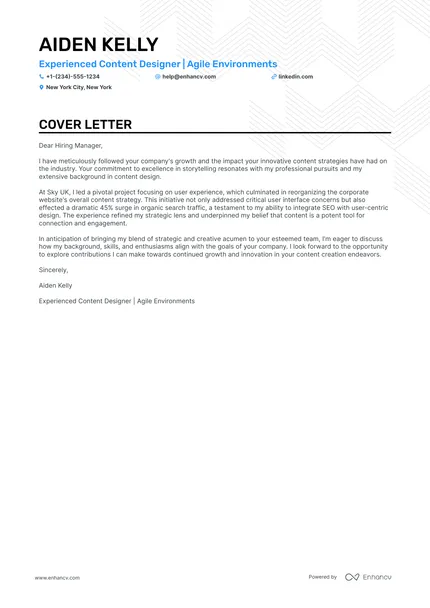
The opening paragraph should immediately grab the reader’s attention and clearly state the purpose of your letter: to apply for the content manager position. Briefly mention where you saw the job posting and why you are interested in the role and the company. Express your enthusiasm and demonstrate your knowledge of the company’s mission or values. This paragraph is your hook, designed to encourage the reader to continue reading. A strong opening sets the tone and demonstrates your understanding of the position, the industry, and the company itself.
Body Paragraphs for Impact
The body paragraphs are where you showcase your skills, experience, and achievements. Use these paragraphs to elaborate on your qualifications and provide specific examples that align with the job requirements. Connect your past experiences to the responsibilities outlined in the job description. For a content manager, emphasize your experience with content strategy, content creation, SEO, analytics, and project management. These paragraphs should provide concrete evidence of your ability to excel in the role.
Showcasing Relevant Experience
When describing your experience, focus on roles and projects that directly relate to content management. Highlight your experience in content planning, content creation, content distribution, and performance analysis. Mention any specific content management systems (CMS) you are familiar with, such as WordPress, Drupal, or HubSpot. Tailor your descriptions to match the job description; if the role requires experience with social media, ensure you highlight your related experience. This tailored approach demonstrates that you’re a good fit for the specific position.
Quantifying Your Achievements

Whenever possible, quantify your achievements with numbers and data. Instead of saying, “Increased website traffic,” state, “Increased website traffic by 30% within six months.” This approach provides tangible evidence of your impact. Quantify your experience with website traffic, lead generation, engagement rates, or any other relevant metrics. Use percentages, numbers, and specific figures to showcase your successes. This evidence helps to impress the hiring manager and showcase your achievements with confidence.
Highlighting Skills and Expertise
Outline your skills and expertise, showcasing your skills, such as content strategy, content creation, SEO, project management, and analytics. Mention any relevant software or tools you are proficient with, such as Google Analytics, SEMrush, or content marketing platforms. Show your capabilities by highlighting these different types of skills. If you have experience in a particular industry or niche, be sure to emphasize that as well. Showcasing your expertise will highlight your suitability for the role and demonstrate your qualifications.
Closing the Letter
In the closing paragraph, reiterate your interest in the content manager position and summarize why you are a strong candidate. Express your enthusiasm for the opportunity and thank the reader for their time and consideration. Include a call to action. State your availability for an interview and indicate how you can be reached. A professional closing paragraph leaves a positive final impression and encourages the hiring manager to contact you.
Call to Action and Professional Tone

End your cover letter with a clear call to action, such as, “I am eager to discuss my qualifications further. Thank you for your time and consideration.” Maintain a professional tone throughout the letter, using formal language and avoiding slang or jargon. Proofread carefully to eliminate any grammatical errors or typos. Always sign off with a professional closing such as “Sincerely” or “Best regards,” followed by your name.
Formatting and Design Essentials
The formatting and design of your cover letter are just as important as its content. Ensure your letter is easy to read, well-organized, and visually appealing. A professionally formatted cover letter demonstrates attention to detail and makes a positive impression on the hiring manager. The right formatting also enhances readability, making it easier for the hiring manager to absorb your message and appreciate your qualifications.
Choosing the Right Font and Size
Choose a clean, readable font such as Arial, Times New Roman, or Calibri. Use a font size between 10 and 12 points for the body text. Ensure that the font size is consistent throughout the letter. Avoid using fancy or overly stylized fonts that can be difficult to read. Your goal is to make the letter easy on the eyes and accessible to the reader. Consistency in font and size is a key element of professionalism.
Ensuring Readability and Clarity

Use clear and concise language. Keep paragraphs short and use bullet points to highlight key information. Use white space to separate sections and make the letter easier to scan. Maintain a consistent structure, including clear headings and subheadings. Readability is essential for the hiring manager to quickly grasp your key qualifications and value proposition. Make it simple for the hiring manager to understand your key points.
Proofreading and Editing
Proofread your cover letter carefully for any grammatical errors, spelling mistakes, or typos. Have someone else read your cover letter to catch any errors you may have missed. Errors can undermine your credibility and make a negative impression. A polished, error-free cover letter demonstrates attention to detail and professionalism. Ensure everything is perfect before sending the application.
Tailoring Your Letter to the Job
One of the most effective ways to impress a hiring manager is to tailor your cover letter to each specific job application. Generic cover letters often fall flat and fail to demonstrate your understanding of the company and the role. The time and effort invested in this process will pay dividends. Tailoring shows you’re serious about the position and have taken the time to understand the needs of the company. It demonstrates your understanding of the company and its goals.
Researching the Company and Role

Before you start writing your cover letter, research the company and the specific role you are applying for. Understand the company’s mission, values, and culture. Analyze the job description carefully and identify the key requirements and skills the company is looking for. Incorporate this information into your cover letter by highlighting how your skills and experience align with these needs. This will demonstrate your understanding of the position and your potential value.
Adapting Your Letter for Each Application
Customize your cover letter for each job application by tailoring the content to the specific requirements and the company’s needs. Highlight the skills and experiences that are most relevant to the role. Use keywords from the job description throughout your cover letter to show that you understand what the employer is looking for. Show, how you meet the requirements mentioned in the job description. This will make your cover letter far more effective than a generic one.
Avoiding Common Mistakes
Avoid common mistakes to create a compelling cover letter. Common mistakes can undermine your credibility. Avoiding these errors will increase your chances of getting noticed by hiring managers. Pay attention to details and focus on presenting your qualifications and experience in the best possible light. A strong cover letter can create a positive first impression and improve your chance of securing an interview.
Generic vs. Personalized Content
Avoid using a generic cover letter that could be sent to any employer. Tailor your cover letter to the specific job and company. Avoid generic phrases and instead, use the company’s name and the job title. Show you are a good fit for the position. Personalize your content to demonstrate genuine interest and understanding of the role. A personalized cover letter is more likely to capture the reader’s attention and make a positive impression.
Grammar and Spelling Errors
Proofread your cover letter carefully to eliminate grammar and spelling errors. Errors can undermine your professionalism and credibility. Use a grammar checker and spell checker, but also proofread the document manually. Have someone else review your cover letter to catch any mistakes you might have missed. A clean, error-free cover letter demonstrates your attention to detail and professionalism. This can be crucial in an industry where precision is paramount.
Overselling vs. Authenticity
Be authentic and genuine in your cover letter. Avoid overselling yourself or making exaggerated claims. Highlight your skills and accomplishments, but do so in a way that is honest and accurate. Present yourself as a confident and capable candidate, but avoid appearing arrogant or boastful. Authenticity builds trust with the hiring manager. This will show them a true picture of your capabilities and your passion for the content manager position.
By following these guidelines, you can create a compelling cover letter that showcases your skills, experience, and personality, increasing your chances of landing an interview and ultimately, securing your dream content manager role. Good luck!