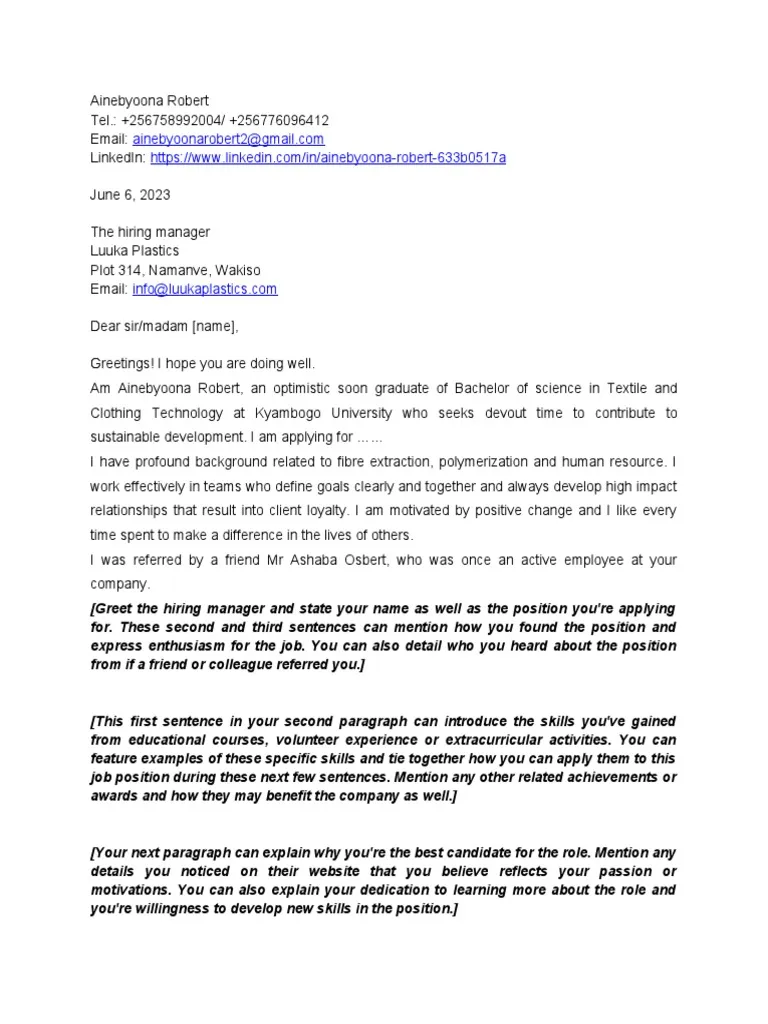
Cover Letter for College Graduates
As a recent college graduate, the job market can seem daunting, especially when you lack professional experience. However, a well-crafted cover letter can be your secret weapon. It’s your opportunity to showcase your potential and convince employers that you’re the right fit, even without a long resume. This guide provides essential strategies for crafting a compelling cover letter that highlights your strengths and secures you an interview. Remember, your cover letter is not just a formality; it’s your first impression and a chance to make a lasting impact. By focusing on your skills, enthusiasm, and the value you can bring, you can overcome the ’no experience’ hurdle and land your dream job. The key is to present yourself as a proactive, capable, and eager candidate ready to contribute to their team.
Understanding the Importance of Cover Letters
A cover letter is more than just a formality; it’s a crucial tool in your job search arsenal. It allows you to personalize your application and connect with the hiring manager on a deeper level. Unlike your resume, which provides a factual overview of your background, your cover letter enables you to tell your story, express your personality, and highlight why you’re the perfect candidate for the role. It offers a platform to address the elephant in the room – your lack of experience – and frame it in a positive light. By emphasizing your skills, academic achievements, and enthusiasm, you can demonstrate your potential and convince employers to give you a chance. Remember, a well-written cover letter shows that you’ve taken the time to understand the company and tailor your application to their specific needs.
Highlighting Skills and Abilities

Since you may lack professional experience, focus on showcasing your transferable skills. These are skills you’ve developed through your education, extracurricular activities, volunteer work, or personal projects that are applicable to the job you’re seeking. Identify the skills that the employer is looking for in the job description and provide specific examples of how you’ve demonstrated those skills in other contexts. This could include teamwork, communication, problem-solving, leadership, or time management. Quantify your achievements whenever possible. For instance, instead of saying ‘Managed a team,’ you could say ‘Led a team of five students to successfully complete a project within budget and ahead of schedule.’ This approach strengthens your cover letter and makes it more persuasive.
Transferable Skills from College
College is a hotbed for skill development, even if it doesn’t always feel that way! Highlight skills gained through academic projects, group assignments, and presentations. These experiences demonstrate your ability to collaborate, communicate, and think critically. Consider the skills you developed during your studies – research, analysis, writing, public speaking, and project management. Extracurricular activities like clubs, sports, and student government offer opportunities to hone leadership, teamwork, and organizational skills. For example, if you were the treasurer of a club, you can demonstrate financial management skills. If you participated in a debate team, emphasize your communication and critical thinking abilities. Every experience, no matter how small, can contribute to your skill set and make you a more attractive candidate.
Showcasing Relevant Coursework
Your coursework provides valuable insights into your knowledge and abilities. Carefully review the job description and identify the skills and knowledge the employer seeks. Then, highlight relevant coursework that aligns with those requirements. Briefly describe the projects, assignments, and topics you explored in those courses, emphasizing how they prepared you for the job. For instance, if applying for a marketing role, mention courses on market research, consumer behavior, and digital marketing. If applying for a programming position, showcase your experience with specific coding languages and software. By connecting your academic experience to the job requirements, you demonstrate your understanding of the industry and your readiness to contribute. Be specific and provide details rather than just listing course titles.
Demonstrating Enthusiasm and Interest

Employers want to hire people who are genuinely excited about the opportunity. Your cover letter is the perfect place to express your enthusiasm for the company and the role. Show that you’ve done your research by referencing specific projects, values, or initiatives that resonate with you. Explain why you’re drawn to the company and what motivates you to contribute to their mission. Demonstrate that you understand the job requirements and are eager to apply your skills and knowledge. Avoid generic statements like ‘I am a hard worker’ or ‘I am excited about this opportunity.’ Instead, provide concrete examples and show how your values align with the company’s culture. This personal touch makes you more memorable and demonstrates your genuine interest.
Researching the Company and Position
Before writing your cover letter, thoroughly research the company and the specific role you’re applying for. Visit their website, read industry news, and explore their social media channels. Understand their mission, values, recent projects, and target audience. This research helps you tailor your cover letter to the company’s specific needs and demonstrates that you’re genuinely interested in working there. For the position, carefully analyze the job description. Identify the key requirements, skills, and responsibilities. Use this information to craft your cover letter, highlighting how your skills and experience align with the role’s needs. Mention specific projects, initiatives, or challenges the company is facing and how your skills can help them succeed. This level of detail shows you’re proactive and ready to make a difference.
Tailoring Your Letter to the Job
Generic cover letters are easily spotted and often discarded. Tailor each cover letter to the specific job you’re applying for. Avoid using a template or sending the same letter to multiple companies. Instead, customize your cover letter to address the unique requirements of each position. Start by personalizing the salutation by addressing the hiring manager by name, if possible. Then, in the body of the letter, highlight the skills and experiences most relevant to the job description. Explain how your skills align with the company’s needs and provide specific examples of your achievements. Show that you understand the role and the company’s goals. By taking the time to tailor your cover letter, you increase your chances of getting noticed and securing an interview.
Formatting Your Cover Letter

A well-formatted cover letter is crucial for making a positive first impression. Your cover letter should be easy to read, professional, and visually appealing. Use a standard font like Times New Roman, Arial, or Calibri, and maintain a consistent font size (11 or 12 points). Use single spacing and leave adequate margins (1 inch on all sides). Keep the letter concise, ideally no more than one page. Divide the content into clear sections: introduction, body paragraphs, and conclusion. Use bullet points and short paragraphs to improve readability. Avoid typos, grammatical errors, and excessive jargon. Proofread carefully before submitting the letter to ensure a polished and professional appearance. A well-formatted cover letter shows attention to detail and professionalism.
Contact Information and Salutation
Start your cover letter with your contact information, including your name, address, phone number, and email address. Make sure your email address is professional. Avoid using nicknames or unprofessional language. Next, address the hiring manager by name, if possible. Researching the hiring manager’s name is an excellent way to show your initiative and attention to detail. If you can’t find the hiring manager’s name, use a professional salutation like “Dear Hiring Manager” or “Dear [Department] Team.” Avoid generic salutations such as “To Whom It May Concern.” If the job posting specifies a contact person, always use that name. This personalized touch sets the tone for a more professional and engaging letter.
Body Paragraphs and Content
The body of your cover letter is the core of your message. Start with a compelling introduction that grabs the reader’s attention and states the purpose of your letter. In the subsequent paragraphs, elaborate on your skills, experiences, and qualifications. Highlight your transferable skills, relevant coursework, and any extracurricular activities that demonstrate your ability to succeed in the role. Provide specific examples and quantify your achievements whenever possible. Use a positive and enthusiastic tone throughout the letter, showcasing your genuine interest in the company and the position. Avoid clichés and focus on what makes you unique and how you can contribute to the company’s success. Keep each paragraph focused and concise, presenting your information in a clear and organized manner.
Closing and Call to Action

Your closing should reiterate your interest in the position and express your eagerness to discuss your qualifications further. Thank the hiring manager for their time and consideration. Include a clear call to action, such as “I am eager to discuss how my skills and enthusiasm can benefit your team. I have attached my resume for your review and welcome the opportunity to speak with you.” Provide your contact information again for easy access. Sign off with a professional closing such as “Sincerely,” “Best regards,” or “Thank you.” Avoid casual or informal closings. Your closing should leave a positive and memorable impression, encouraging the hiring manager to contact you for an interview.
Proofreading and Editing
Proofreading and editing are crucial steps in the cover letter writing process. Even the most well-written letter can be undermined by typos or grammatical errors. Before submitting your cover letter, carefully proofread it to catch any mistakes. Read the letter aloud to check for awkward phrasing or sentence structure. Ask a friend, family member, or career counselor to review your letter and provide feedback. Ensure that all your contact information is correct and up to date. Check for consistency in formatting, font, and spacing. Proofreading is not just about finding errors; it is also about ensuring your cover letter flows logically, effectively conveys your message, and presents you as a polished and professional candidate.
Common Mistakes to Avoid
Avoiding common mistakes can significantly improve the effectiveness of your cover letter. Be aware of these pitfalls to ensure your application stands out for the right reasons. Generic language, lack of research, and a focus solely on your lack of experience can all detract from your message. By avoiding these common pitfalls, you can create a cover letter that showcases your strengths and grabs the attention of the hiring manager.
Using Generic Language

Avoid using generic language and clichés. Phrases like ‘hard worker,’ ’team player,’ and ‘results-oriented’ are overused and don’t provide any specific information about your skills or experiences. Instead, use specific examples to demonstrate these qualities. Quantify your achievements whenever possible. Instead of saying ‘Improved customer satisfaction,’ say ‘Increased customer satisfaction by 15% through implementing a new feedback system.’ Avoid vague statements and focus on what makes you unique. Your goal is to show, not just tell, the hiring manager what you can bring to the table. Be specific and provide examples.
Focusing Solely on Lack of Experience
While it’s important to acknowledge your lack of experience, don’t dwell on it. Focus on your skills, enthusiasm, and potential, and frame your lack of experience positively. Instead of saying ‘I don’t have much experience,’ say ‘Although I am a recent graduate, my coursework and extracurricular activities have equipped me with…’ or ‘While my professional experience is limited, I have developed the following skills…’. Shift the focus to your strengths and what you can offer. Your cover letter should highlight what you can do, not what you haven’t done. Emphasize your transferable skills, your eagerness to learn, and your potential to contribute to the company’s success. Show that you are a proactive and capable candidate ready to make an impact.
Neglecting to Proofread
Neglecting to proofread is a critical mistake. Typos, grammatical errors, and formatting inconsistencies can undermine your credibility and make you appear unprofessional. Before submitting your cover letter, carefully proofread it to catch any mistakes. Read the letter aloud to check for awkward phrasing or sentence structure. Use spell-check and grammar-check tools, but don’t rely on them completely. Ask a friend, family member, or career counselor to review your letter and provide feedback. A well-proofread cover letter shows attention to detail and professionalism, making you a more attractive candidate. Ensure all contact information is accurate and that the letter is formatted consistently. It is one of the easiest mistakes to avoid, but also one of the most damaging if it’s not done.