Cover Letter Format How To: The Essentials
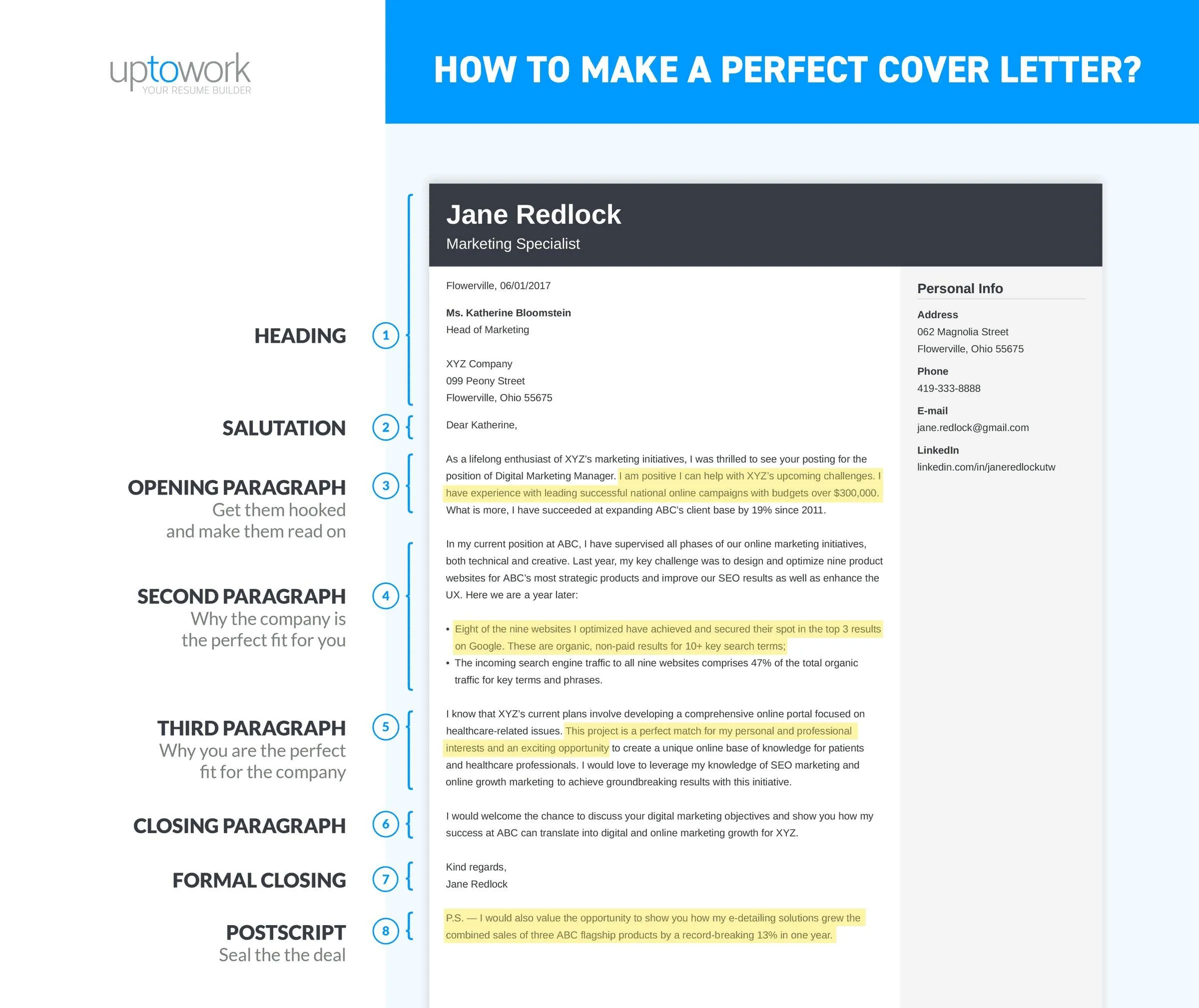
A cover letter is your first impression on a potential employer, a chance to showcase your personality, skills, and passion for the role. It complements your resume, providing context and depth to your qualifications. Mastering the cover letter format is crucial for making a strong impact. A well-formatted cover letter is clear, concise, and highlights your value proposition effectively. This guide will walk you through the essential components of a winning cover letter format, ensuring you create a document that captures attention and secures you an interview. Remember, your cover letter isn’t just a formality; it’s a powerful tool to differentiate yourself from the competition. This article delves into each section, offering tips and examples to help you craft a compelling cover letter.
Header: Your Contact Information
The header sets the stage for your cover letter, providing essential contact information for the recruiter to reach you. Ensure this section is accurate, professional, and easy to read. Consistency with your resume’s header is also key for a cohesive application. Begin by including your full name, followed by your address, phone number, and email address. It’s recommended to use a professional email address, such as your name followed by @gmail or another service. Double-check all information for accuracy, as even a small error can lead to missed opportunities. A well-formatted header ensures the recruiter can easily contact you.
Your Name and Address

Start with your full, professional name. Below your name, provide your current address. Be sure to use a consistent format. If applying for a role in a different country, ensure your address is correctly formatted to meet local standards. The appearance of your address and contact information should be clean and organized, as it’s the first visual element of your application that a recruiter will see. A well-presented header immediately demonstrates attention to detail and professionalism, setting a positive tone for the rest of your cover letter.
Date
The date is an important element, signaling when your cover letter was created. It should be formatted consistently with your region’s date conventions. Place the date directly under your address, left-aligned. This chronological marker gives context to your application, especially when combined with the recipient’s information. Ensure the date is current; submitting an outdated cover letter might be interpreted as a lack of attention to detail. The correct date on your cover letter demonstrates that you are organized and present.
Recipient’s Information
Directly below the date, provide the recipient’s information. This typically includes the hiring manager’s name (if known), their title, the company’s name, and the company’s address. If you are uncertain of the hiring manager’s name, do some research on LinkedIn or the company’s website. Address the letter to a specific person whenever possible, as it demonstrates that you have taken the time to personalize your application. Ensure that the company name and address are correct. If you can’t find the name of the hiring manager, use a professional greeting such as “Dear Hiring Manager.”
Salutation

The salutation sets the tone for your cover letter. Use a professional greeting appropriate for the context. If you know the hiring manager’s name, use ‘Dear Mr./Ms. [Last Name]’. If you don’t know the name, use a general yet professional greeting, such as ‘Dear Hiring Manager’ or ‘Dear [Department Team]’. Avoid overly casual greetings. The salutation should be followed by a comma. The correct salutation demonstrates your ability to communicate professionally and respect the recipient.
Body Paragraph 1: Introduction
The introduction is your chance to immediately grab the reader’s attention and indicate the purpose of your letter. State the position you are applying for and where you found the job posting. Briefly highlight your key skills or experiences that align with the job requirements. Keep it concise, aiming to hook the reader immediately. Avoid generic openings; instead, showcase your enthusiasm for the role. This first paragraph must clearly state your intentions and pique the reader’s interest. Ensure the introductory paragraph creates a strong first impression.
Purpose of the Cover Letter
Clearly state the specific position you are applying for. Mention the job title as listed in the job posting. Reference where you found the job posting (e.g., LinkedIn, company website, a specific recruiter). This section sets the context for the rest of the letter, ensuring the recruiter knows precisely which role you’re interested in. Including this information will help the recruiter quickly understand your application and efficiently place your application. By specifying the position and where you found it, you clearly establish the purpose of your cover letter.
Grabbing Attention

Start with a compelling hook that grabs the reader’s attention. Consider beginning with a brief statement about why you’re excited about the role or the company. You might mention a specific achievement or skill that aligns with the job’s requirements. Show that you’ve researched the company and understand their mission. Instead of a generic opening, personalize your introduction. The aim is to make the recruiter want to read the rest of your letter. This could involve sharing an enthusiastic perspective or mentioning a particular project related to the company’s needs.
Body Paragraph 2: Skills and Experience
The second paragraph should highlight your skills and experiences. Align your qualifications with the job description, focusing on the most relevant aspects of your background. Provide specific examples of how you’ve used your skills to achieve results. Quantify your achievements whenever possible. Use action verbs to demonstrate your capabilities. This paragraph should showcase your value and demonstrate your ability to meet the requirements of the role. Providing concrete examples of your skills will convince the reader that you can get the job done. The tone must be confident and direct, but avoid boasting; focus on illustrating your abilities.
Highlighting Relevant Experience
Carefully review the job description and identify the key requirements. Then, select the experiences and skills that best match those requirements. Provide specific examples of how you have demonstrated those skills in the past. Focus on accomplishments and results. Frame your experience to address the employer’s needs. Describe your achievements using the STAR method (Situation, Task, Action, Result) to effectively communicate your capabilities. Tailor your examples to show how your background is a direct fit for the role.
Quantifying Achievements

Use numbers and data to support your claims and quantify your accomplishments. For example, instead of saying “Improved sales,” say “Increased sales by 15% in one quarter.” Quantifying your achievements makes your claims more credible and gives the recruiter a better understanding of your impact. Use metrics to demonstrate the value you brought to previous employers. Quantifiable results are more persuasive and show your effectiveness. Show the impact of your actions and the results you obtained.
Body Paragraph 3: Enthusiasm and Company Alignment
In this section, express your enthusiasm for the company and the specific role. Show that you’ve researched the company, understand its mission and values, and align with them. Explain why you are interested in working for the company. This shows the recruiter that you’re genuinely interested and not just applying for any job. Demonstrate that you understand the company’s goals and how you can contribute to them. Your enthusiasm should be specific and show a genuine interest in both the company and the role.
Expressing Interest in the Company
Demonstrate your interest by mentioning specific aspects of the company that appeal to you. This could be their innovative products, their company culture, or their values. Research the company and tailor your cover letter to reflect your findings. Show that you understand the company’s mission and values and that you share them. This research shows that you’ve taken the time to learn about them. The interest you demonstrate can greatly increase your chances of being considered for the role. If possible, mention recent company news or projects that have caught your attention.
Showing Alignment with Company Values

Align your skills and experiences with the company’s values. Review the company’s mission statement, values, and culture to see how your skills and experiences align with them. Highlight how you contribute to the company’s goals. Share how your personal values match the company’s values to demonstrate cultural fit. Focus on examples that reflect these values, showing how you have demonstrated them in your previous roles. This makes the recruiter think that you are a good fit for the position.
Closing
The closing should reiterate your interest, include a call to action, and provide a professional sign-off. Express your enthusiasm for the opportunity and provide a clear and concise statement that summarizes your qualifications. Avoid generic phrases; aim for an ending that leaves a lasting impression. Keep the closing brief and professional. The conclusion is your last chance to make a good impression and encourage the reader to take action.
Call to Action
Clearly state your desire for an interview and indicate your availability. Make it easy for the recruiter to contact you. Include your contact information again, if necessary. Express your confidence that your skills and experiences align with the job requirements. A strong call to action helps encourage a response. Make it clear that you are ready for the next step. A call to action is essential, as it drives the recruiter to move the application forward.
Sign-off

Use a professional sign-off, such as ‘Sincerely,’ or ‘Best regards.’ Follow the sign-off with your typed name. Ensure that you also provide your signature above your typed name if you are submitting a printed version of your cover letter. Double-check the entire letter for any typos or grammatical errors before submitting it. The sign-off ends your letter with the correct tone and confirms that you are a professional. A well-executed sign-off reflects your attention to detail. This will leave a positive final impression.