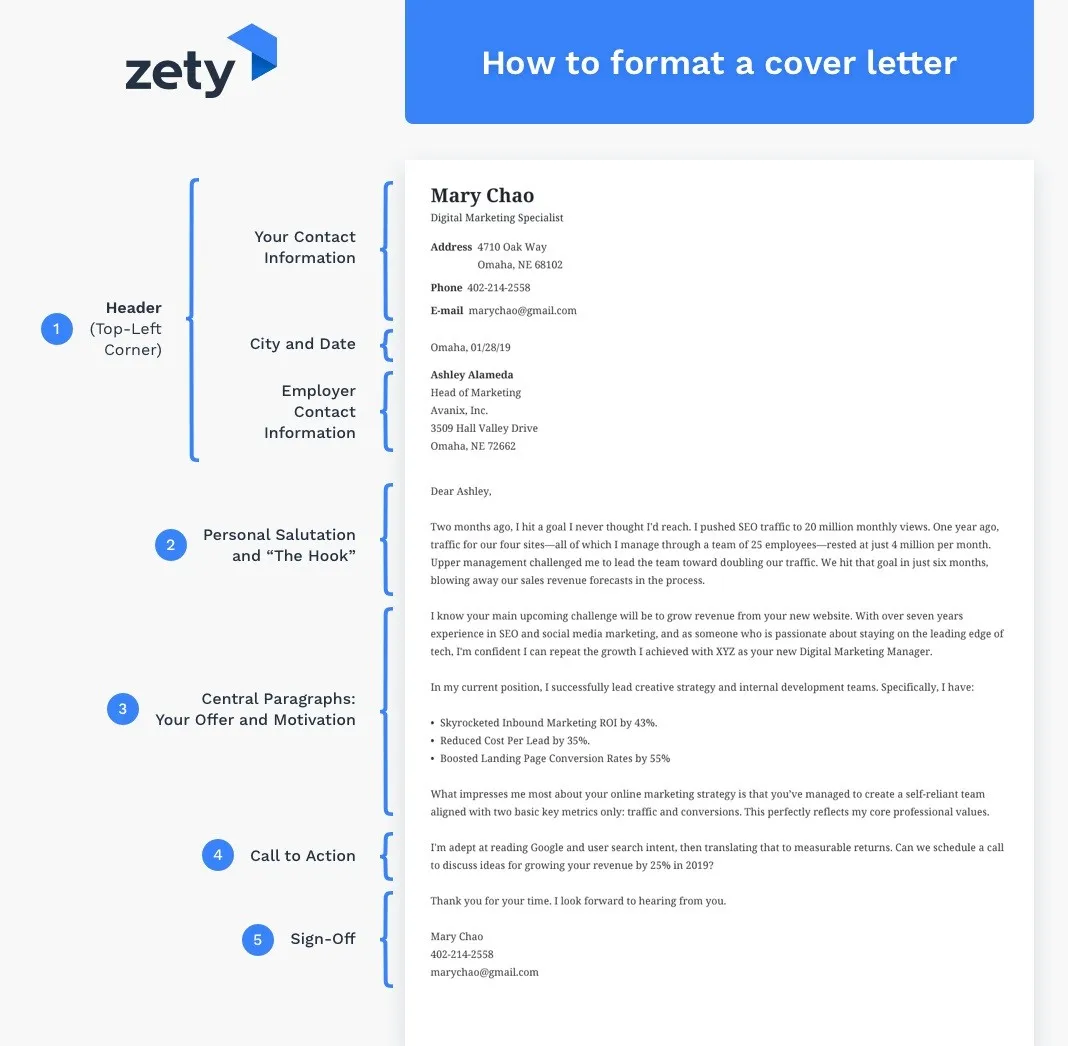
Cover Letter Format The Essentials
A cover letter is more than just a formality; it’s your chance to make a strong first impression and secure an interview. A well-structured cover letter complements your resume, providing a personalized narrative that highlights your qualifications and enthusiasm for a specific role. Understanding the proper cover letter format is crucial for effectively communicating your value to a potential employer. This guide breaks down the essential components, offering practical tips to help you craft a winning cover letter that captures attention and increases your chances of landing your dream job. The structure should be clear, concise, and tailored to each application, showcasing your skills, experience, and genuine interest in the opportunity. Remember that a compelling cover letter can set you apart from other candidates.
Header Information
The header sets the tone for your entire letter. It’s the first thing a hiring manager sees, and it needs to be professional and easy to read. Ensuring all contact information is current and accurate is also essential. Always use a professional font such as Arial or Times New Roman, and maintain a consistent font size throughout the document. Avoid using any design elements or graphics that could distract from the content. A clean, uncluttered header indicates attention to detail and professionalism. Always proofread to ensure there are no typos or errors.
Your Contact Information

Include your full name, phone number, email address, and optionally, your LinkedIn profile URL. Ensure your email address is professional-sounding. Double-check the accuracy of your contact information to avoid missing any communication from the employer. This section makes it easy for the hiring manager to reach you. Place it at the top left or right corner of the page.
Date
Below your contact information, write the current date. Ensure that the date format is consistent with the country or region to which you’re applying. This clearly indicates when the cover letter was written and helps keep the document organized.
Recipient’s Information
Include the recipient’s name (if possible), their title, the company name, and the company’s address. Researching the hiring manager’s name adds a personal touch to your cover letter. If you’re unable to find a specific person, use the title of the hiring manager or ‘Hiring Manager’. Double-check the company’s address.
The Salutation

The salutation is your opening greeting. Use ‘Dear [Mr./Ms./Mx. Last Name]’ if you know the hiring manager’s name. If the name is unavailable, use ‘Dear Hiring Manager’ or ‘Dear [Department Name] Team’. Avoid generic greetings like ‘To Whom It May Concern’ whenever possible. The salutation should set a professional tone for your entire letter. Ensure you spell the recipient’s name correctly, and tailor the greeting to the formality of the company.
Body Paragraph 1 Introduction
This is where you introduce yourself and state the position you’re applying for. Briefly explain how you learned about the opportunity. This section should immediately grab the reader’s attention and provide a clear sense of your intentions. Make a strong opening statement that aligns with the company’s values and job requirements. Keep the introduction brief and focused, highlighting your enthusiasm for the role and the company. A compelling introduction encourages the hiring manager to read on.
Express your interest
Clearly state your interest in the position and the company. Briefly explain why you’re interested in the role and what motivates you to apply. Show that you have a genuine interest and aren’t just applying for any job. This will show your dedication and passion for the role. It’s essential to show you have researched the company and understand its mission and values. This will make you stand out as a candidate who is genuinely excited about the opportunity.
Body Paragraph 2 Highlighting Your Skills

This is the core of your cover letter, where you demonstrate how your skills and experience align with the job requirements. Select a few key skills and accomplishments that directly relate to the position. Provide specific examples of how you’ve used these skills in previous roles. This should convince the hiring manager that you’re a good fit. Tailor this section to match the job description’s requirements. This means carefully reviewing the job posting and highlighting the skills and experiences most relevant to the role.
Showcase relevant skills
Focus on the skills most relevant to the job. Use the job description as a guide and identify the skills the employer is seeking. Provide concrete examples of how you’ve used these skills. Support your claims with evidence to illustrate your capabilities. This will help you to show you are a strong candidate and that you can provide value to the company.
Quantify accomplishments
Whenever possible, quantify your accomplishments. Use numbers and data to demonstrate the impact of your work. For example, instead of saying ‘Increased sales,’ say ‘Increased sales by 15% in one quarter.’ This will show your impact on previous companies and highlight your success. Make your claims stronger by showing the results of your actions. Quantifiable results are much more effective than general statements. This adds credibility to your claims and helps the hiring manager understand the value you bring.
Body Paragraph 3

In this section, you can express your enthusiasm for the company, its culture, and the opportunity. This paragraph provides a final opportunity to strengthen your candidacy and differentiate yourself from other applicants. Make it clear why you’re excited about the specific company and role. Research the company’s mission, values, and recent achievements to tailor your message accordingly. This can make you stand out from other applicants, which is what you are looking to do.
Express enthusiasm
Show genuine enthusiasm for the opportunity and the company. Discuss why you’re excited about the role and what aspects of the company appeal to you. This shows that you’ve done your research and are genuinely interested in the position. Demonstrating a true interest can set you apart. Mentioning specific projects, values, or initiatives can demonstrate your commitment to the company’s mission.
Call to Action
Conclude with a clear call to action. Express your interest in an interview and provide your contact information again. Thank the hiring manager for their time and consideration. Make it easy for the hiring manager to take the next step. This is crucial for encouraging the employer to move forward with your application. End with a positive and confident tone to leave a lasting impression.
Closing and Signature

Use a professional closing, such as ‘Sincerely’ or ‘Best regards.’ Then, leave space for your handwritten signature, followed by your typed name. If you’re submitting a digital cover letter, you can simply type your name. Keep the closing concise and professional. Ensure it aligns with the tone of your cover letter. A professional close ensures your cover letter leaves a positive impression on the reader.
Review and Proofread
Before submitting your cover letter, carefully review it for any errors in grammar, spelling, and punctuation. Ensure the content is clear, concise, and well-organized. Proofread multiple times, and consider having someone else review it as well. Errors can undermine your professionalism, so paying attention to the final details can ensure your success. A flawless cover letter is essential. Make sure the content is polished, and there are no errors that could reflect negatively on your application. It is important to have a perfectly written document.