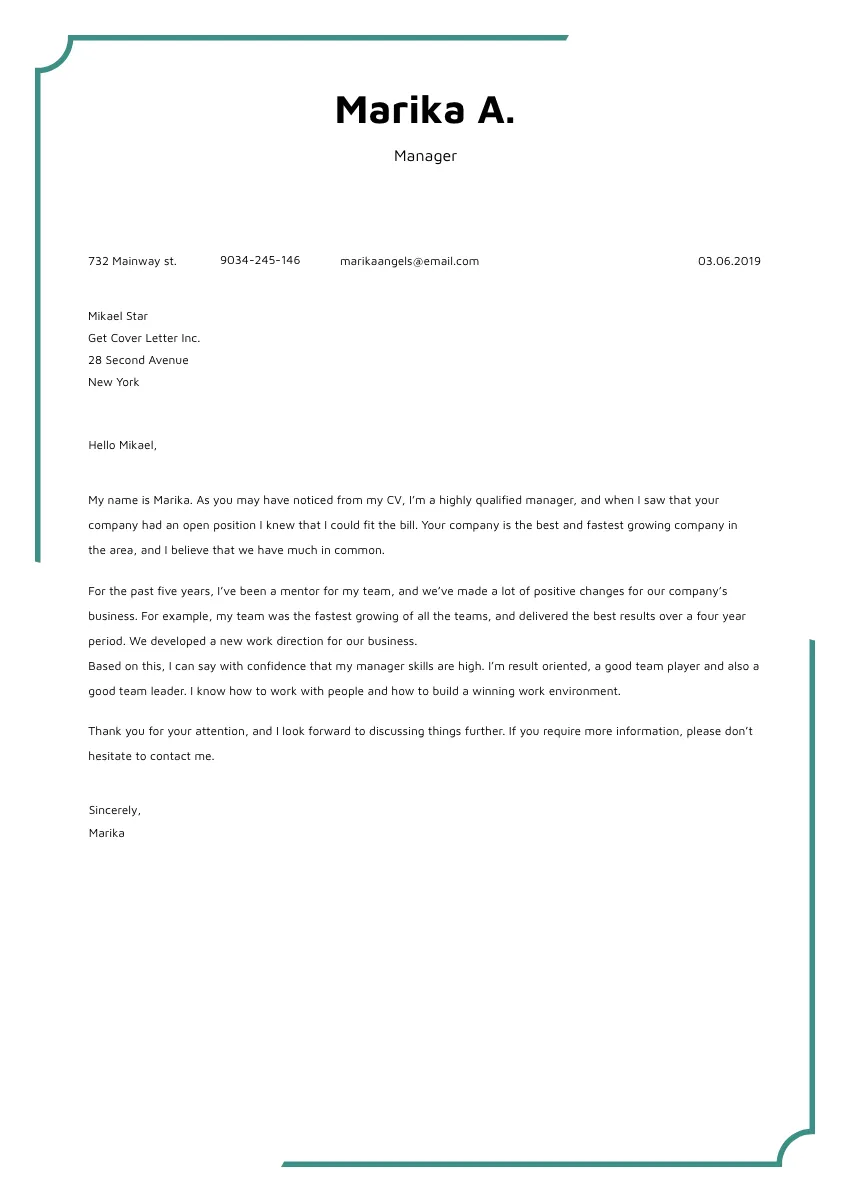
Crafting a compelling cover letter is essential for any microbiologist seeking a new opportunity. It’s your chance to shine, highlighting your skills and experience in a way that a resume alone cannot. A well-written cover letter serves as a crucial introduction, providing a glimpse into your personality, enthusiasm, and suitability for the role. This guide will help you create a cover letter that stands out, showcasing your expertise and increasing your chances of landing an interview. By focusing on key aspects such as detailing your skills, emphasizing your experience, tailoring your letter, showcasing soft skills, and ensuring proper formatting, you can significantly enhance your application and make a lasting impression on potential employers.
Highlight Your Skills
Your cover letter should immediately grab the reader’s attention by showcasing your core competencies. This section is where you demonstrate your suitability for the role by explicitly stating your relevant skills. Remember, the goal here is not just to list skills but to demonstrate how those skills make you an ideal candidate. Think about the key skills the employer is seeking and tailor your descriptions to align with those. Use action verbs to illustrate how you’ve applied these skills in previous roles and the positive outcomes you achieved.
Detailing Your Expertise
Delving deeper into your technical capabilities is critical. This involves providing specific examples of your expertise and how you’ve applied them in practical scenarios. Avoid generic statements; instead, offer concrete examples that demonstrate your proficiency. This helps the hiring manager understand the depth of your knowledge and how you can contribute to their team. Consider mentioning specific software, equipment, or methodologies you are familiar with and the context in which you have used them. This level of detail sets you apart from other applicants.
Laboratory Techniques

Showcase your proficiency in various laboratory techniques. Mention specific techniques such as culturing, staining, and biochemical testing. Describe the types of assays you have experience with, such as ELISA, PCR, or other molecular biology techniques. Be sure to mention any experience you have with quality control and quality assurance protocols. Providing concrete examples of your technical abilities will make your cover letter much more convincing and show your qualifications for the job.
Microscopy and Staining
Highlight your experience with different microscopy techniques, including light microscopy, fluorescence microscopy, and electron microscopy. Detail your experience in preparing samples, performing staining procedures (Gram staining, acid-fast staining, etc.), and interpreting the results. Mention any expertise you have with image analysis software or techniques used for advanced microscopy applications. The ability to work with different microscopes and understand the results of the findings is a core aspect of any microbiologist’s abilities.
Data Analysis and Reporting
Demonstrate your ability to analyze and interpret data. Mention the statistical software you are familiar with, such as R, SPSS, or other relevant programs. Provide examples of how you have used data to draw conclusions, identify trends, and write reports. Highlight any experience you have with data visualization tools. A key skill for a microbiologist is the ability to analyze data from the lab and provide insights into findings. Show the company how you’ve been able to do this successfully in the past.
Emphasize Relevant Experience

Your experience is one of your biggest assets. The experience section allows you to expand on your resume by describing your previous roles and responsibilities in detail. You should tailor this section to align with the requirements of the job you are applying for, highlighting the most relevant experiences and accomplishments. Be sure to quantify your achievements whenever possible, using numbers and metrics to demonstrate the impact of your work. This is your chance to provide context to your experience and show how you can make a difference in the new role.
Research Experience
If you have research experience, make sure to highlight your role in previous research projects. Mention the scope of your research, the methodologies you employed, and the outcomes you achieved. Include any publications, presentations, or other outputs that resulted from your work. If possible, explain your contributions to the research and highlight what makes your experience unique. Even entry-level roles require experience with research projects, so make sure you include any relevant work in this area.
Industry Experience
If you have industry experience, focus on the roles you’ve held within the industry. Describe the types of projects you have worked on, your responsibilities, and the teams you collaborated with. Showcase how you have contributed to the success of the company or project. Mention any certifications or awards you have received and how they relate to your experience. If you have experience working in specific industries, such as food safety, pharmaceuticals, or environmental science, mention it specifically and explain how your background translates to the new role.
Tailoring Your Cover Letter

Personalizing your cover letter to the specific job and company is crucial. Generic cover letters that are not tailored to the specific job and organization are unlikely to impress. Take the time to research the company, understand its values, and the specific requirements of the role. Then, adjust your cover letter to match. This helps you demonstrate your genuine interest in the position and the company, making a stronger connection with the hiring manager. This approach highlights that you’ve invested time in understanding the role, and it showcases your enthusiasm.
Matching Skills to the Job Description
Review the job description carefully and identify the key skills, experiences, and qualifications the employer is seeking. Then, use your cover letter to demonstrate how your skills and experience align with those requirements. Highlight any relevant skills and experiences with supporting evidence. This could be a specific project you worked on, the techniques you mastered, or the accomplishments you achieved. Always ensure that your examples are relevant to the job and provide the hiring manager with insight into your capabilities. Tailoring your skills to match the job is a great way to make your cover letter relevant.
Quantifying Achievements
Whenever possible, use quantifiable data to showcase your achievements. Instead of saying you ‘improved efficiency,’ provide specific examples, such as ‘increased efficiency by 15%.’ Numbers and metrics give your claims credibility and demonstrate the impact of your work. Did you reduce lab errors, improve testing turnaround times, or contribute to a successful project? Always show the impact of your work using numbers. Quantifying your achievements makes your cover letter much more effective in demonstrating your value.
Showcasing Soft Skills

In addition to technical skills, employers also look for soft skills such as communication, teamwork, and problem-solving abilities. These skills demonstrate your ability to work effectively with others and contribute to a positive work environment. Demonstrating these soft skills in your cover letter will make you a well-rounded candidate. By incorporating them, you can convey your adaptability and the ability to succeed in a variety of professional settings. This is how you can stand out from the crowd and show that you have qualities that go beyond the technical expertise.
Communication Skills
Highlight your ability to communicate effectively, both verbally and in writing. Mention any presentations you’ve given, reports you’ve written, or collaborations you have been involved in. Demonstrate your ability to explain complex scientific concepts in a clear and concise manner. Emphasize your active listening skills and your ability to work with others. This can involve providing a clear account of your findings, explaining the nuances of a specific project, or communicating with team members and supervisors. If you’ve managed a project, provide examples to showcase your communication skills.
Teamwork and Collaboration
Emphasize your ability to work as part of a team. Provide examples of collaborations you have been involved in, highlighting your role, contributions, and the positive outcomes achieved. Mention your ability to work well with others, your willingness to share knowledge, and your ability to contribute to a positive and productive work environment. Working in a lab requires collaboration, and a strong cover letter will make sure you can show the hiring manager that you understand the importance of team work.
Formatting and Presentation

The formatting and presentation of your cover letter are just as important as its content. Ensure that your letter is well-organized, easy to read, and free of errors. A professionally formatted cover letter indicates attention to detail, which is a critical quality for a microbiologist. A poorly formatted letter can make a negative impression and undermine your qualifications.
Structure and Layout
Use a clear and concise structure. Begin with a professional salutation, followed by an engaging opening paragraph that captures the reader’s attention. Use paragraphs to organize your information logically, with each paragraph focusing on a specific skill, experience, or achievement. Use bullet points when necessary to highlight key information. End with a strong closing paragraph that reiterates your interest in the position and includes a call to action, such as requesting an interview. Proper formatting makes the cover letter easy to read and understand, which will make it more appealing to hiring managers.
Proofreading and Editing
Proofread your cover letter carefully before submitting it. Check for any grammatical errors, spelling mistakes, or typos. Ask a friend or colleague to review your letter for clarity and accuracy. A polished cover letter shows that you pay attention to detail. Make sure you’re always double-checking your work. The overall impression of a well-written cover letter can make a substantial difference in your application. Proofreading and editing are the final steps that can guarantee your cover letter showcases your skills.
In conclusion, writing a standout cover letter is a critical step in your job search as a microbiologist. By highlighting your skills, emphasizing your experience, tailoring your letter, showcasing soft skills, and ensuring proper formatting, you can create a cover letter that will make a positive impression on potential employers. Take the time to craft a compelling cover letter that demonstrates your unique qualifications, enthusiasm, and suitability for the role. With a well-written cover letter, you can significantly increase your chances of landing an interview and securing your desired position. By following these steps, you can create a cover letter that truly shines and helps you achieve your career goals.