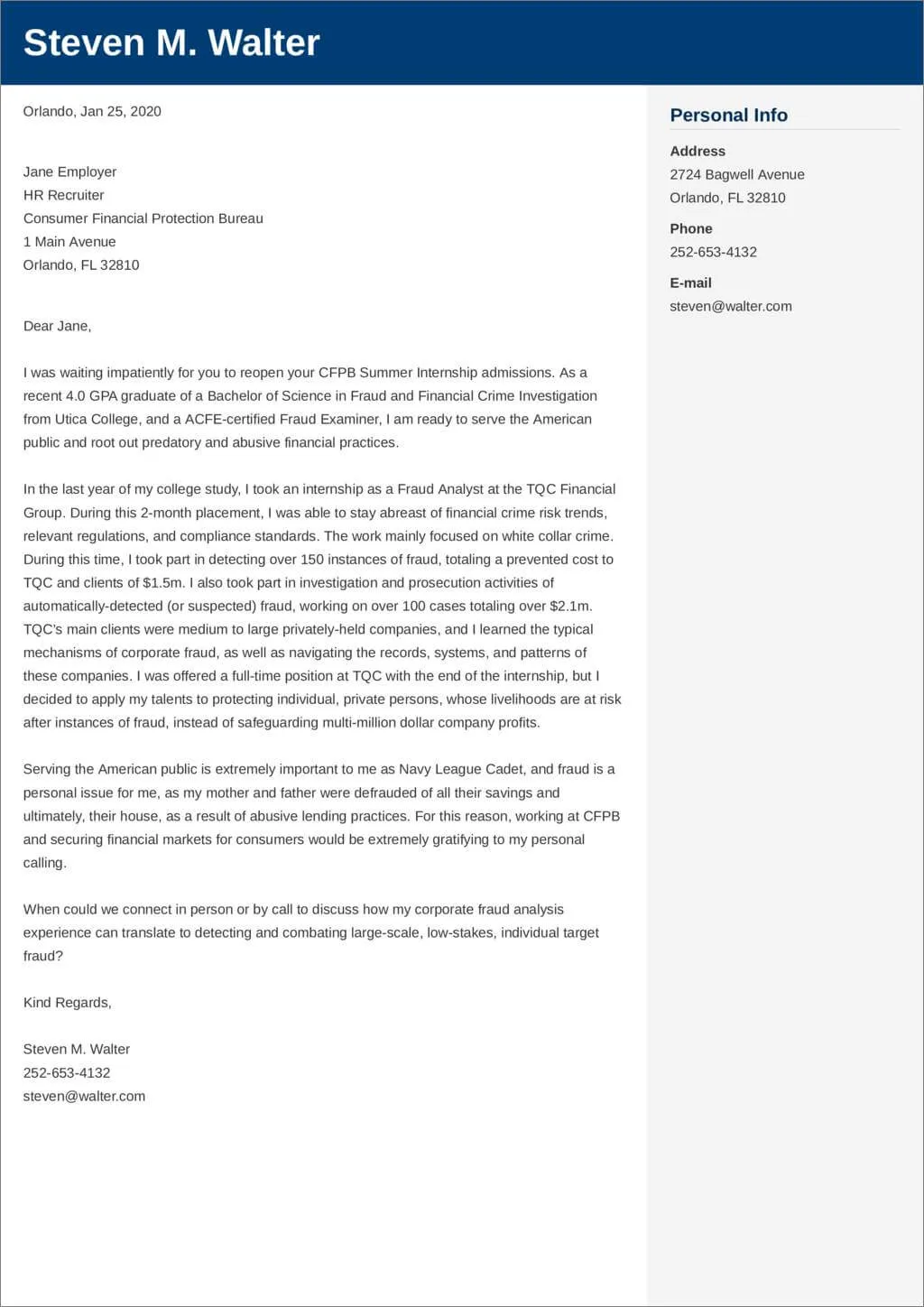
Understanding Government Job Cover Letters
Navigating the job market, especially when targeting government positions, requires a strategic approach. A well-crafted cover letter is not just a formality it’s your first opportunity to make a compelling case for why you’re the ideal candidate. Unlike private sector applications, government jobs often have specific requirements and expectations. Understanding these nuances is the first step in crafting a cover letter that grabs attention and increases your chances of securing an interview. The key is to demonstrate your understanding of the government sector, showcase relevant skills, and highlight your ability to contribute to the agency’s mission. This article will delve into the essential elements of a government job cover letter, providing you with the knowledge and tools to create a document that stands out from the competition. From formatting and content to common mistakes and proofreading, we’ll cover all aspects of crafting a persuasive cover letter that gets you hired.
Why a Government Job Cover Letter is Crucial
In the competitive landscape of government job applications, a cover letter serves as a crucial introduction, allowing you to go beyond the limitations of your resume. It offers a platform to articulate your interest in the specific role and the agency, while also providing a narrative of your skills, experience, and career goals. It’s your chance to demonstrate your alignment with the values and mission of the government entity, setting you apart from candidates who may only submit a resume. A well-written cover letter will emphasize your understanding of the job’s requirements and how your qualifications directly meet them. It helps you tell a story, connecting your past achievements to the prospective role, and showcasing your enthusiasm. A strong cover letter is also an opportunity to address any potential gaps or concerns in your application, putting you at ease before the hiring managers. Without a thoughtful cover letter, you risk appearing generic, which can lead to your application being overlooked.
Key Differences From Private Sector Cover Letters

While the core purpose of a cover letter remains the same across sectors, government job cover letters have specific distinctions from private sector applications. Government entities often prioritize adherence to specific guidelines, professional language, and a clear demonstration of relevant skills and experience. Private sector cover letters may allow for more creativity and personalization, government applications typically demand a more formal tone and a direct approach. In addition to this, government applications often place a greater emphasis on aligning the applicant’s values and experience with the agency’s mission and public service goals. This includes using keywords that match the job description and providing detailed examples of how your past achievements translate to the role. Another crucial difference is the need to address any specific requirements outlined in the job posting. Government jobs are transparent, and your cover letter should demonstrate compliance with the specific requirements and guidelines. Not doing so can quickly eliminate your application. Understanding these distinctions ensures you tailor your letter to meet the unique expectations of a government job search.
Essential Components of a Government Job Cover Letter
To craft a successful government job cover letter, understanding its essential components is crucial. These include your contact information, a professional salutation, a compelling introduction, a skills and experience section, an articulation of your interest in the role and agency, and a strong closing. Each part plays a unique role in showcasing your suitability for the position. The layout should be professional, concise, and easy to read. Focus on clarity and precision, using a tone that is formal yet engaging. Demonstrate your understanding of the role’s requirements by using relevant keywords from the job description throughout your letter. Personalize your letter to the specific government entity and position, showing that you’ve invested time and effort in the application. Tailoring your resume to the organization will make it clear that you’re not sending a generic letter. Each section of the letter must work together cohesively to make a persuasive case for your candidacy.
Contact Information & Formatting
Start with your contact information. Place your full name, address, phone number, and professional email address at the top of the letter. Make sure that the font is appropriate for a business letter. Use a professional, easy-to-read font such as Times New Roman, Arial, or Calibri, with a font size between 10 and 12 points. Align your content to the left or use a justified format with even margins. Maintain consistency throughout the letter. This attention to detail shows professionalism and creates a polished appearance. If the job posting specifies formatting guidelines, strictly follow them. When in doubt, use standard business letter formatting.
Addressing the Hiring Manager

Always address your cover letter to a specific person whenever possible. Research the hiring manager’s name and title, if not provided in the job posting. Addressing the letter to a specific person makes it more personal and demonstrates that you are detail-oriented and have taken the time to prepare your application carefully. If you cannot find the name of the hiring manager, use a formal greeting such as ‘Dear Hiring Manager’ or ‘Dear [Department Name] Hiring Committee’. Avoid generic greetings like ‘To Whom It May Concern’, which can make your letter feel impersonal. Before submitting your application, make sure you spell the hiring manager’s name correctly and use their correct title. This small detail shows that you respect the potential employer and will likely get your foot in the door.
Highlighting Your Skills & Experience
The body of your cover letter should highlight your relevant skills and experience, aligning them directly with the requirements of the job description. This is your chance to provide detailed information that shows how your capabilities match the needs of the position. Use specific examples from your work history to demonstrate your abilities and accomplishments. Don’t just list your skills. Instead, showcase how you’ve used those skills to achieve results in past roles. Emphasize experiences that align with the job’s key responsibilities. For example, if the job requires project management skills, give a specific example of a project you managed, the challenges you overcame, and the positive outcomes. Use keywords from the job description throughout your letter to show the hiring manager that you meet the requirements. Clearly articulate how your skills and experience translate into value for the agency, and demonstrate your ability to contribute to their mission.
Quantifying Your Accomplishments
To make your accomplishments more compelling, quantify your achievements whenever possible. Provide specific metrics and data to illustrate the impact of your work. Instead of saying ‘Improved customer service,’ say ‘Improved customer satisfaction scores by 15%’. Quantifying your accomplishments gives hiring managers a clear understanding of your performance and the value you bring to the table. Use numbers, percentages, and statistics to support your claims, painting a clear picture of your contributions. Whenever you describe a project or achievement, include specific details about the outcome. For instance, instead of stating ‘Managed a team’, specify ‘Managed a team of 10 employees, resulting in a 10% increase in productivity’. By quantifying your accomplishments, you demonstrate your ability to deliver results, making your cover letter more persuasive.
Tailoring Your Letter to the Specific Job

One of the biggest mistakes you can make when applying for a government job is sending a generic cover letter. Your cover letter must be tailored to each specific job and agency. This personalization tells the hiring manager that you’ve researched the position and that you are genuinely interested in the opportunity. Begin by carefully reviewing the job description and identifying the essential qualifications and skills. Then, tailor your letter to address these requirements directly. Clearly explain how your experience and skills align with the listed needs. Focus on the key responsibilities of the role and provide examples that show how you’ve handled similar tasks in the past. This shows that you are the perfect person for the role, as well as that you have taken the time to match your qualifications with the job. Demonstrate that you understand the agency’s mission and how your skills can contribute to their goals.
Researching the Agency & Position
Thoroughly researching the agency and the specific position is essential for tailoring your cover letter effectively. Visit the agency’s website to learn about their mission, values, and recent initiatives. Understanding their strategic priorities will help you align your experience and demonstrate how you can contribute to their goals. Explore the specific responsibilities of the position you’re applying for. Identify the key skills, qualifications, and experiences required. This research will provide you with the necessary information to customize your letter and showcase your suitability for the role. Use your research to align your skills with the agency’s objectives. This demonstrates your genuine interest in the agency and the position. Mention specific projects, initiatives, or values of the agency that resonate with you and show how your skills can support them. Be prepared to discuss your research during your interview.
Using Keywords From the Job Description
In addition to researching the agency, use keywords from the job description in your cover letter. Many government agencies use Applicant Tracking Systems (ATS) to scan applications for relevant keywords. By incorporating these words into your cover letter, you increase the chances of your application passing the initial screening process and reaching the hiring manager. Carefully analyze the job description, identifying the most important skills, qualifications, and requirements. Integrate these keywords naturally throughout your letter, emphasizing your relevant experience. Incorporate the keywords into the skills and experience section, and in any examples of your past achievements. Doing this will help the hiring manager see that you have the specific skills needed to succeed in the role. However, avoid keyword stuffing. Ensure your use of keywords is natural and that your letter remains easy to read and engaging. Your letter should always emphasize your qualifications, not just the keywords.
Demonstrating Your Alignment With the Agency’s Mission

Government jobs often require a strong understanding of the agency’s mission and values. Demonstrate your alignment with these in your cover letter. Research the agency’s mission, vision, and strategic goals. Explain how your values and aspirations align with theirs. This shows that you understand the agency’s goals and are committed to contributing to their success. Highlight your understanding of the agency’s work and how you can contribute to their mission. Use examples from your experience to illustrate your ability to advance their goals. Show that you’re not just looking for a job but are interested in contributing to the greater good. Including a statement about your commitment to public service can be powerful. Emphasize how your skills and experience can help the agency achieve its goals. Be specific about how you will support their mission.
Closing & Follow-Up
Your closing should be professional and direct, reiterating your interest in the position and your enthusiasm for the opportunity. Reiterate your qualifications briefly, and thank the hiring manager for their time and consideration. Include a call to action, such as expressing your interest in an interview and your willingness to discuss your qualifications further. Keep your closing concise, but make sure you express your eagerness. After submitting your application, follow up. If you haven’t heard back within a reasonable timeframe (usually a week or two), send a brief email to the hiring manager. In your follow-up, reiterate your interest and ask about the status of your application. This demonstrates your continued interest and professionalism. Ensure that your follow-up is polite, brief, and professional.
Reviewing & Proofreading Your Cover Letter
Before submitting your cover letter, thoroughly review and proofread it. This is crucial to ensure that your application is free of errors and reflects your attention to detail. Errors in your cover letter can create a negative impression, undermining your credibility and your chances of being selected for an interview. Check for grammatical errors, spelling mistakes, and punctuation issues. Review the formatting to ensure it’s consistent and professional. Make sure the content is clear, concise, and easy to understand. Read your cover letter multiple times, and consider having a friend or colleague review it as well. Fresh eyes can catch errors that you might have missed. Proofreading is a critical step in showcasing your professionalism and enhancing your application’s effectiveness.
Common Mistakes to Avoid

Avoid common mistakes that can negatively impact your application. These include sending a generic cover letter, not following the job posting guidelines, using unprofessional language or tone, making grammatical and spelling errors, and focusing on what you want instead of what you can offer the agency. Another mistake is not tailoring your letter to the specific job requirements. Each application should demonstrate your skills and abilities. Make sure to not include information that is irrelevant. The cover letter should focus only on information and achievements relevant to the role. Also avoid exaggerating or lying about your qualifications. Be truthful, as the agency will verify your information. Failing to proofread and spellcheck can also be detrimental. Take the time to catch the small mistakes. A cover letter filled with mistakes will likely get you quickly overlooked.
Seeking Feedback & Editing
Seek feedback and edit your cover letter before submitting it. Ask trusted colleagues, friends, or career counselors to review your letter. Having another set of eyes look over your application can help you identify areas for improvement and catch any errors you may have missed. When seeking feedback, ask for specific suggestions on the content, format, and overall tone of your letter. Incorporate the feedback you receive to make improvements to your cover letter. Edit and revise your cover letter multiple times. Ensure that each version is improved. You can also use online tools to help you proofread and improve the quality of your writing. Tools like Grammarly and Hemingway Editor can help catch mistakes, improve your writing style, and make your cover letter more compelling. It is important that you take the time to refine your cover letter to ensure that it is polished and effective before submitting your application.
In conclusion, a well-crafted cover letter is a pivotal element of your government job application. By understanding the unique requirements of government positions, tailoring your letter to each specific job, and highlighting your skills and experience, you significantly increase your chances of getting hired. Pay attention to detail, proofread meticulously, and seek feedback. By taking these steps, you’ll present yourself as a capable and dedicated candidate, making a lasting impression on the hiring manager. With a strong cover letter, you can effectively communicate your value and open the door to your dream government job.