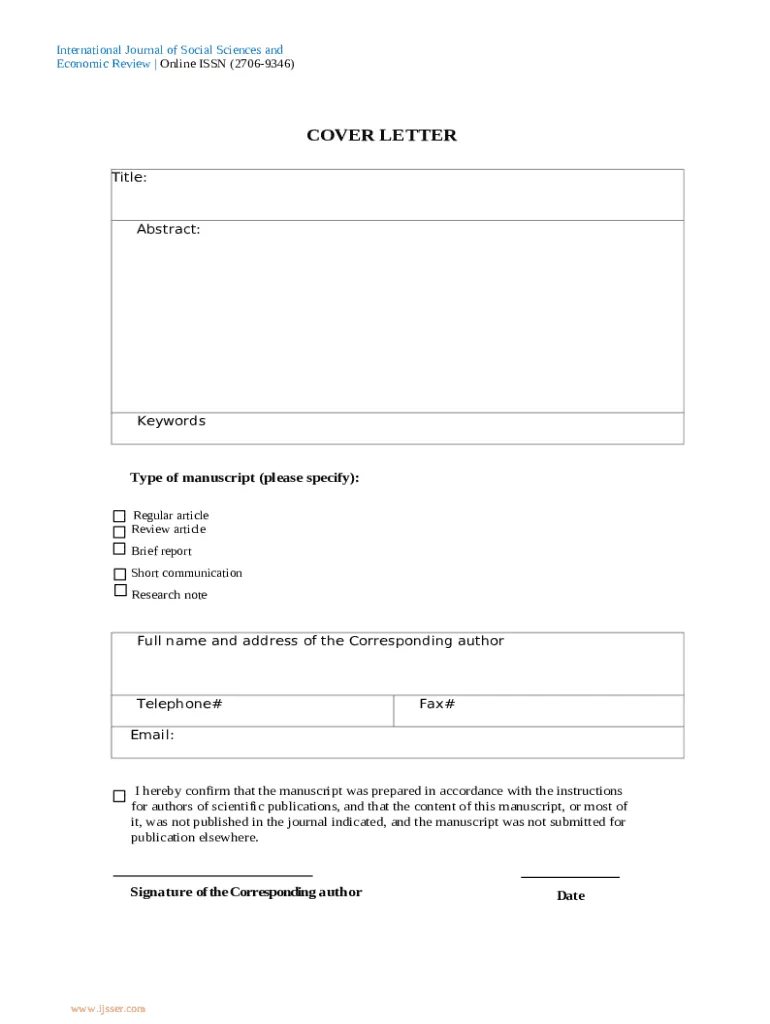
What is a Cover Letter for a Writing Contest
A cover letter for a writing contest submission is more than just a formality; it’s your opportunity to make a strong first impression and increase your chances of winning. It serves as an introduction to your work, providing context and highlighting your qualifications. Think of it as a personalized pitch that complements your submitted piece, setting the stage for the judges to appreciate your writing in its entirety. The cover letter is your chance to demonstrate professionalism, enthusiasm, and a genuine interest in the contest. It provides a space to briefly summarize your work and to give the judges context. Writing contest cover letters require more personalization than general cover letters because you are not just applying for a job, you are trying to stand out from the competition.
Why is a Cover Letter Important
In a writing contest, where numerous submissions vie for attention, a well-crafted cover letter can be the deciding factor. It’s your chance to distinguish yourself from the competition by showcasing your personality and highlighting your unique strengths as a writer. Judges often read cover letters first, and a compelling letter can capture their interest immediately. It demonstrates that you’ve taken the time and effort to present your work professionally, which can significantly boost your credibility. A well-written cover letter provides context, which can enhance the judges’ understanding and appreciation of your work. Including context can be important, depending on the prompt of the contest. Furthermore, it allows you to demonstrate your writing skills, as the cover letter is a sample of your abilities. This is especially important when submitting to contests, as you should present the best version of your writing.
Cover Letter for Contest How to Win — Before You Write

Before you start writing your cover letter, take the time to understand the contest rules and the judges’ expectations. This initial preparation will make your letter more targeted and effective. This stage involves thorough research and a clear understanding of the contest’s objectives. This also includes a reflection on your own work. The goal is to align your cover letter with the contest’s specific criteria. Your cover letter should showcase your interest in the contest, but also your ability to follow directions. This will increase your chances of winning the contest by showing that you are serious and have the skills necessary to win.
Know the Contest Guidelines
Carefully review the contest guidelines to understand the specific requirements, word count limitations, formatting instructions, and any other stipulations. This helps ensure that your submission meets all the criteria and increases your chances of being considered. Failing to adhere to the guidelines can lead to automatic disqualification, so it’s essential to pay close attention to every detail. Make sure you fully understand the purpose of the contest. Are they looking for a creative story, or a well-researched essay? Understanding the contest guidelines will help you understand the context, which will help you write the cover letter.
Research the Judges
If possible, research the judges to gain insight into their backgrounds, preferences, and areas of expertise. Understanding their perspectives can help you tailor your cover letter to resonate with them and highlight aspects of your work that align with their interests. This may involve looking for information about their writing styles, the type of work they value, or any previous awards they have given. This research allows you to personalize your cover letter, and shows that you value the work that the judges are doing. While you should not alter your work to fit their preferences, a cover letter that demonstrates that you are familiar with the judges is more likely to stand out.
Cover Letter for Contest How to Win — Crafting Your Letter

Once you’ve done your homework, it’s time to write. A well-structured cover letter should captivate the judges, express your enthusiasm, and showcase your skills in the best light possible. Focus on making a strong first impression and clearly communicating why you’re the best candidate. Your goal is to create a compelling narrative that highlights the essence of your work and leaves a lasting impression. This involves carefully selecting your words and crafting a letter that is engaging, concise, and professional. By adhering to the specific contest guidelines, you improve your chances of succeeding. Remember that the cover letter is also a writing sample, so it is vital to make it the best it can be.
Start with a Strong Opening
The opening of your cover letter should immediately grab the reader’s attention and set the tone for the rest of your submission. You should state the title of your work and briefly mention its genre or theme. Consider using a captivating hook, such as a compelling sentence from your work or a thought-provoking question. Immediately communicate your enthusiasm and demonstrate your unique voice. A well-crafted opening ensures that the judges are hooked from the start and encourages them to read further. Keep the tone professional, but inject your personality. The first few sentences of your cover letter are vital, as they are your chance to show the judges why your submission is worthy of their time.
Highlight Relevant Experience
Include any relevant writing experience, such as previous publications, awards, or workshops you’ve attended. Mentioning your accomplishments provides context for your work and demonstrates your dedication to writing. Be concise, and focus on experiences that align with the contest’s theme or genre. Quantify your achievements whenever possible. Even if you have limited experience, highlight what you’ve learned and how you’ve grown as a writer. This information can strengthen your application. Any previous experience gives the judges insight into who you are as a writer. Remember that they are just reading your work, and that they do not know you. Any insight is helpful to the judges. Furthermore, this experience can give you credibility.
Showcase Your Writing Skills

Use your cover letter to showcase your writing skills. Demonstrate your ability to write concisely, clearly, and engagingly. Pay close attention to your word choice, grammar, and punctuation. If the contest allows, consider including a brief excerpt from your submitted piece that highlights your strengths. Ensure that your writing style aligns with the tone and genre of the contest. This shows the judges that you are able to write well, which can boost your chances of winning. Just like any other form of writing, a cover letter should have its own unique style, depending on the situation. This allows you to show the judges your writing skills, which are just as important as the work that you are submitting.
Tailor Your Letter to the Contest
Customize your cover letter to fit the specific requirements of each writing contest. Avoid using a generic template. Show that you understand the contest’s goals and that you’ve tailored your submission to meet their criteria. Mention the contest’s theme, if there is one, and explain how your work aligns with it. This level of personalization demonstrates that you are genuinely interested in the contest. It can also increase your chances of winning. Tailoring your letter shows that you are serious about winning the contest and that you have prepared and researched. Showing that you are prepared shows your strengths, which is an important trait in any context.
Cover Letter for Contest How to Win — Formatting & Style
The formatting and style of your cover letter should be professional and easy to read. A well-formatted letter makes a positive impression and enhances the overall appeal of your submission. Adhere to the guidelines outlined by the contest. By paying attention to formatting, you are showing that you can write in a way that is easy to read. This makes the job of the judges easier, increasing your chances of winning. Furthermore, formatting provides a solid structure to your cover letter, which makes the letter more professional.
Keep it Concise

Keep your cover letter concise and to the point. Judges are often reviewing numerous submissions, so they appreciate a letter that gets straight to the essential information. Aim for one page, and avoid unnecessary details or fluff. Focus on what is most relevant to the contest. Brevity shows respect for the judges’ time, and it can increase your chances of success. You should be able to include all necessary information without going over a page. Long and convoluted writing can discourage the judges, making it more likely that they skip your submission.
Proofread Carefully
Proofread your cover letter meticulously for any typos, grammatical errors, or inconsistencies. Errors can detract from your credibility and undermine your professionalism. Consider using grammar and spell-checking tools, but always review the letter yourself to ensure accuracy. Proofreading is crucial, and even small mistakes can be detrimental. Have someone else review your letter for a fresh perspective. Proofreading should be a fundamental part of your submission, and is one of the most important steps to writing a cover letter. A clean cover letter with no errors will show the judges that you care about your work, and that you are serious about winning.
Format for Readability
Format your cover letter for easy readability. Use a clear font, appropriate font size, and ample spacing. Break up large blocks of text with paragraphs and headings. Make use of bullet points or lists to highlight key information. A well-formatted letter is more appealing to read. It helps the judges quickly grasp your key points. Readability makes your cover letter more accessible and helps the judges grasp your argument quicker. Making it easy for the judges to read will increase your chances of succeeding.
Cover Letter for Contest How to Win — Final Touches

Before submitting your cover letter, add the final touches to ensure that it meets the highest standards of professionalism and presentation. These final steps can significantly impact the impression your cover letter makes, and increase your chances of winning. Small details, like a polished closing, will make a difference. A polished presentation signals that you value the opportunity and respect the time of the judges.
Express Your Enthusiasm
Conclude your cover letter by expressing your enthusiasm for the contest and the opportunity to participate. Briefly reiterate your interest in the contest and highlight why your work is a good fit. A sincere closing leaves a lasting impression and conveys your passion for writing. End with a statement that shows you appreciate the judges’ time and look forward to their feedback. Make sure your enthusiasm comes across through your writing. Even if you don’t win, showing enthusiasm will help you learn from the experience. Make sure to thank the judges in advance for their time.
Include Contact Information
Make sure to include your contact information in your cover letter. This allows the judges to easily reach you if they have questions or want to contact you. Include your name, email address, and any other relevant contact details, such as your phone number. Place this information in a prominent location, such as the top or bottom of the letter. Ensuring that your contact information is included is a crucial part of the cover letter, as it allows the judges to contact you. If your cover letter is well-written, the judges will want to contact you and ask for more information. This is especially important if your submission wins the contest.
Submit Your Letter
Before submitting your cover letter, double-check that it meets all the requirements outlined in the contest guidelines. Ensure that you have included all necessary attachments and that the file is in the correct format. Once you’re confident that everything is in order, submit your cover letter and submission. Following these steps gives you the best chance to win the contest. Submitting your work can be stressful, but make sure that you are submitting a cover letter you are proud of. Take a few moments to review your work again, and correct any mistakes. Then, submit your work with confidence.
Where to Find Writing Contests
Finding the right writing contest is the first step to submitting your work. There are a variety of online resources and organizations that host writing contests. Websites, literary magazines, and writing communities often publicize these opportunities. To find the best contest for you, you can explore various platforms like Submittable, Duotrope, or Poets & Writers. You can also check the websites of literary magazines, universities, and writing organizations. Subscribing to newsletters or following writing-related social media accounts can also keep you informed about upcoming contests. These resources will help you find an appropriate contest, based on your writing style and experience.
In conclusion, writing a cover letter for a writing contest is a crucial part of your submission. A well-crafted letter provides the perfect context for your work. By following these tips, you can create a cover letter that captures the judges’ attention and significantly boosts your chances of winning. So, take the time to create a compelling cover letter and get ready to submit your work. Good luck.