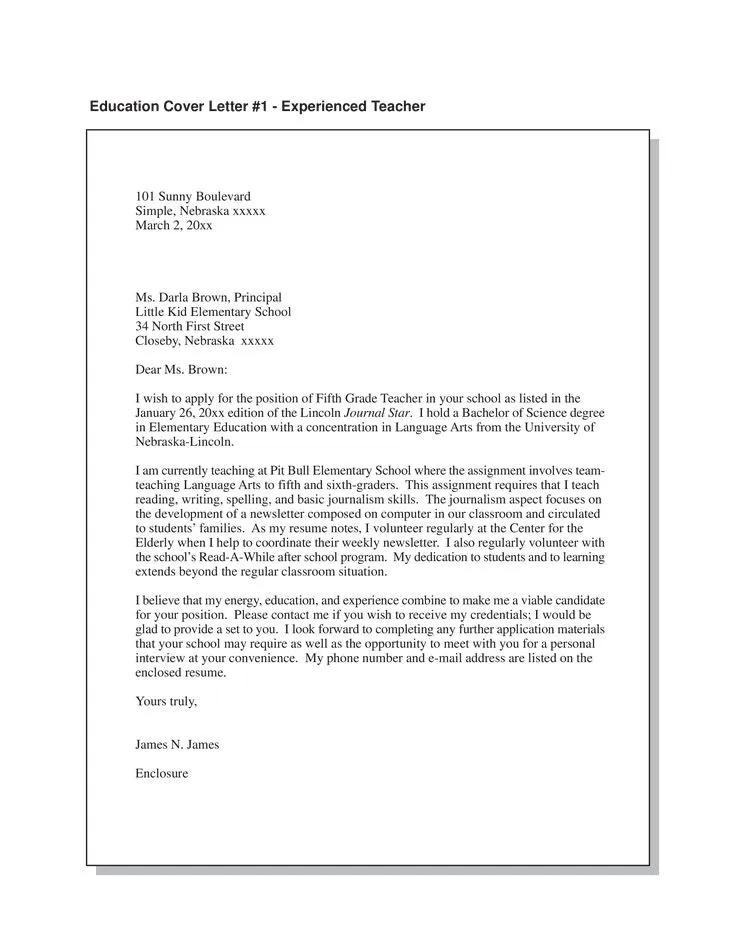
Cover Letter Examples Education The Essentials
In the competitive field of education, a well-crafted cover letter is your first opportunity to make a strong impression on potential employers. It serves as a crucial introduction, allowing you to highlight your qualifications, passion, and suitability for the role. Understanding the essentials of a compelling cover letter can significantly increase your chances of landing an interview and ultimately, securing your dream education job. This guide provides valuable cover letter examples education to help you craft a winning application.
Understanding the Purpose of a Cover Letter
A cover letter is more than just a formality; it’s a strategic tool that complements your resume. While your resume provides a comprehensive overview of your experience and skills, the cover letter offers a platform to articulate your career goals, explain your interest in the specific position, and demonstrate how your qualifications align with the employer’s needs. It allows you to provide context, show your personality, and express your enthusiasm for the opportunity.
Why is a Cover Letter Important for Education Jobs

For education jobs, a cover letter is particularly important because it allows you to showcase your understanding of educational philosophies, your ability to connect with students, and your commitment to creating a positive learning environment. It is a chance to demonstrate your ability to communicate effectively, which is a critical skill for educators. A well-written cover letter can set you apart from other candidates who may have similar qualifications, demonstrating your genuine interest in the school or district and how you can contribute to its mission.
Cover Letter Examples Education Top 5 Tips
Tailor Your Cover Letter
Avoid using a generic cover letter. Each application should be tailored to the specific job and the institution. Research the school, understand their values, and address the specific requirements mentioned in the job description. Show how your skills and experience directly align with their needs. Mention specific programs, initiatives, or philosophies that resonate with you, demonstrating your genuine interest in the position and the school’s environment. This personalization shows that you have taken the time to understand the role and are not just sending out mass applications.
Highlight Relevant Skills and Experience

Focus on the skills and experiences that are most relevant to the job. If the job description emphasizes classroom management, highlight your experience with creating and maintaining a positive learning environment. If they are looking for someone with curriculum development experience, showcase your past projects and their impact. Quantify your achievements whenever possible (e.g., “Increased student test scores by 15%” or “Developed a new curriculum used by over 100 students”). Provide concrete examples to demonstrate your capabilities and achievements, making your claims more credible and memorable.
Showcase Your Passion for Education
Your passion for education should shine through in your cover letter. Explain why you are drawn to the teaching profession and what motivates you to make a difference in students’ lives. Share a specific anecdote or experience that illustrates your commitment to education. This could be a story about a student you mentored, a successful lesson plan, or a challenging situation you overcame. Your enthusiasm is a key differentiator. Show the reader that you are truly passionate about education and dedicated to student success, which can make your application stand out.
Use a Professional Tone
Maintain a professional tone throughout your cover letter. Use formal language, avoid slang, and keep your writing concise and clear. Pay attention to grammar, spelling, and punctuation. Address the hiring manager by name if possible (research the name beforehand). Ensure that your cover letter reflects your professionalism and attention to detail. This demonstrates your respect for the position and the institution. It showcases your ability to communicate effectively in a professional setting.
Proofread and Edit Carefully

Proofreading is non-negotiable. Errors in your cover letter can undermine your credibility and suggest a lack of attention to detail. Read your cover letter multiple times, ideally out loud, to catch any mistakes. Have a friend, family member, or career advisor review it as well. Ensure that your contact information is correct and up-to-date. A polished cover letter is a reflection of your professionalism and commitment to excellence, making it more likely to secure an interview.
Cover Letter Examples Education Formatting
Header and Contact Information
Begin with a clear header that includes your name, address, phone number, and email address. Also, include the date and the hiring manager’s name and address if you know it. Use a professional font like Times New Roman or Arial, and maintain consistent formatting throughout the document. This sets a professional tone and makes it easy for the reader to find your contact details. Correct formatting demonstrates organization and attention to detail, essential qualities for educators.
Opening Paragraph

The opening paragraph should immediately grab the reader’s attention and state your purpose. Mention the specific position you are applying for and where you saw the job posting. Briefly express your enthusiasm for the opportunity and, if possible, mention something specific that attracted you to the school or district. A strong opening sets the tone for the rest of the cover letter and encourages the hiring manager to continue reading. It makes you stand out from the crowd.
Body Paragraphs
The body paragraphs are where you highlight your skills, experience, and qualifications. Use a few well-structured paragraphs to elaborate on your achievements and explain how they align with the job requirements. Provide specific examples to support your claims and quantify your accomplishments whenever possible. Tailor the content to the specific needs of the employer, demonstrating your understanding of their mission and values. Showcasing your knowledge and expertise can increase the chance of an interview.
Closing Paragraph
The closing paragraph should reiterate your interest in the position and thank the hiring manager for their time and consideration. Express your enthusiasm for an interview and mention how you can be reached. Keep it concise and professional. A strong closing paragraph leaves a positive final impression, ensuring the reader remembers your application. Ensure your contact information is current and accessible.
Cover Letter Examples Education Common Mistakes

Generic Cover Letters
Sending a generic cover letter is a major mistake. These letters lack personalization and fail to show that you have taken the time to understand the specific job or the institution. Employers can easily spot a generic letter, which can lead to your application being rejected. Always tailor your cover letter to the specific job and show your genuine interest in the role and the school’s mission.
Typos and Grammatical Errors
Typos and grammatical errors can damage your credibility and demonstrate a lack of attention to detail. Proofread your cover letter carefully and have someone else review it. Poor writing suggests a lack of professionalism and can make you appear less qualified. Ensure your writing is clear, concise, and error-free. Consider using grammar and spell-checking tools, but always review their suggestions critically.
Lack of Specificity

Avoid making vague statements. Instead of saying “I am a good teacher,” provide specific examples of your accomplishments and skills. Quantify your achievements whenever possible (e.g., “Improved student test scores by 15%”). The details make your claims more credible and make it easier for the hiring manager to assess your qualifications. Using specifics helps paint a clearer picture of your abilities.
Cover Letter Examples Education Conclusion
A well-crafted cover letter is a critical component of your application for education jobs. By following the tips and guidelines provided in this guide, you can create a compelling cover letter that highlights your skills, experience, and passion for education. Remember to tailor each cover letter to the specific job, showcase your accomplishments, and proofread carefully. A strong cover letter will significantly increase your chances of landing an interview and starting your career in the education field. With the right approach, you can create a cover letter that wins you the job.