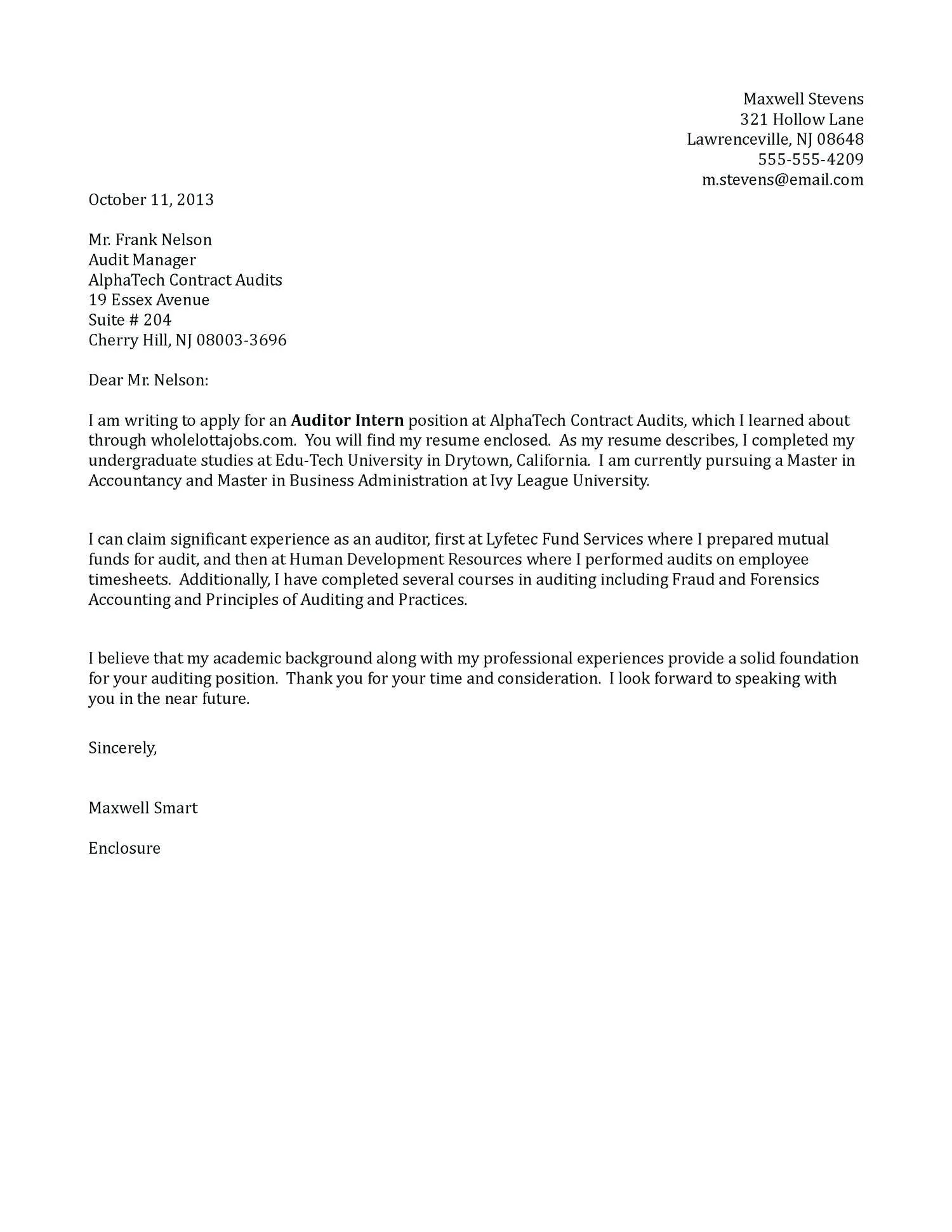
Crafting the Perfect Cover Letter Ending
Your cover letter ending is your final chance to make a strong impression on a potential employer. It’s where you can reiterate your interest in the position, showcase your value, and encourage the hiring manager to take the next step. A well-crafted closing can be the deciding factor in whether or not you land an interview. This guide will walk you through the essentials of creating a compelling cover letter ending, helping you to seal the deal and secure your dream job. It’s not just about saying goodbye; it’s about leaving a lasting positive impact that sets you apart from other applicants.
Why Cover Letter Endings Matter
The ending of your cover letter is more critical than many job seekers realize. While the body of your letter highlights your skills and experience, the closing provides a final opportunity to connect with the hiring manager on a personal level and solidify your interest in the role. A strong closing can leave a lasting impression, making you memorable among a sea of applicants. It’s the last piece of the puzzle, and if done right, it can tip the scales in your favor. It demonstrates professionalism and a clear understanding of how to communicate effectively, which are valuable assets in any workplace. The ending can also act as a call to action, encouraging the hiring manager to take the next steps in the application process.
Making a Memorable Impression

To make a memorable impression, your cover letter ending should go beyond a simple sign-off. Instead, aim to create a positive and lasting impact. Tailor your closing to the specific job and company, showing that you’ve done your research and are genuinely interested in the opportunity. Consider the tone of the letter and align your closing with it; a formal letter requires a formal closing, while a more casual one can be slightly less rigid. Highlighting what makes you unique and how you can contribute to the company’s goals can make you stand out. Briefly reiterate your strongest qualifications and why you are the ideal fit for the role. This is the moment to leave the hiring manager with a clear and compelling reason to choose you.
Key Elements of a Strong Cover Letter Ending
Expressing Enthusiasm for the Role
Your closing should reflect genuine enthusiasm for the position and the company. Phrases like “I am incredibly excited about the opportunity to…” or “I am particularly drawn to…” can signal your interest. This excitement should be genuine and specific. Show the hiring manager you’re not just applying for any job; you’re interested in this job at this company. Reference something specific about the role or the company that particularly excites you. This indicates that you’ve researched the company and understand its values and goals. Demonstrating genuine enthusiasm sets you apart from candidates who may seem lukewarm or uninterested, ultimately increasing your chances of getting noticed.
Highlighting Your Value Proposition

Briefly reiterate your key qualifications and how they align with the job requirements. This isn’t a repetition of the entire letter, but a concise summary of your most relevant skills and experiences. For example, if the job requires project management experience, you might say, “My proven ability to manage complex projects and deliver results aligns perfectly with the requirements of this role.” The goal is to remind the hiring manager of your strongest attributes and how they can benefit the company. By emphasizing your value proposition, you make it clear why you are the best candidate for the job. Tailor this section to the specific job description to demonstrate that you understand the employer’s needs.
Specifying Your Availability
Include a brief statement about your availability for an interview. Make it easy for the hiring manager to move forward by indicating your flexibility. Phrases like “I am available for an interview at your earliest convenience” or “I am eager to discuss my qualifications further and am available to meet at your convenience” work well. Avoid vague statements; be clear and professional. If there are any specific times or days when you are not available, it’s best to mention them upfront. This helps streamline the process and shows that you are proactive. This small detail can show respect for the hiring manager’s time and demonstrates your eagerness to move forward.
The Importance of a Call to Action
A call to action is a crucial element of a compelling cover letter ending. It’s a direct instruction to the hiring manager, encouraging them to take the next step. This could be something as simple as “I look forward to hearing from you” or “I am eager to discuss my qualifications further.” Avoid being overly demanding, but do make it clear that you are interested in the next phase of the hiring process. A well-crafted call to action can prompt the hiring manager to contact you sooner rather than later, increasing your chances of getting an interview. The call to action should align with the tone and context of the rest of your letter. The objective is to make it as easy as possible for the hiring manager to contact you.
Essential Closing Phrases

Formal Closing Phrases
Formal closings are appropriate for professional settings and are a sign of respect. Use these phrases for roles in industries such as finance, law, or government, or when you’re unsure of the company culture. “Sincerely,” “Respectfully,” and “Yours truly,” are all suitable choices. Follow your closing with your full name and contact information. Avoid overly casual language and ensure your closing aligns with the tone of the entire letter. Proofread carefully to eliminate any errors. The goal is to convey professionalism and attention to detail. The phrase chosen should reflect your level of professionalism, ensuring that you make a good impression. Consider how the closing will reflect your seriousness about the position.
Informal Closing Phrases
Informal closing phrases are appropriate for roles and companies that have a more relaxed or creative culture. Use these when you feel the company has a casual atmosphere, or when the job description hints at a less formal environment. Examples include “Best regards,” “Warmly,” or “Thank you for your time and consideration.” These closings still maintain a professional tone, but are less rigid than their formal counterparts. Choose the closing phrase that best suits the overall tone of your letter. The use of informal closings shows that you understand the company’s culture and are a good fit for the team. Make sure the informal closing is not too familiar; the goal is to be approachable, yet professional.
Phrases to Avoid

Certain phrases can undermine the impact of your cover letter ending. Avoid sounding overly eager, desperate, or demanding. Phrases like “I hope you hire me” or “I need this job” can come across as unprofessional. Also, steer clear of clichés like “Thank you for your time and consideration” if it feels generic. Always avoid negative language or complaining about your previous experiences. Keep the focus on your skills and the positive aspects of the opportunity. The impression you make is crucial, so aim to be confident, yet humble. Strive to appear professional and prepared to highlight the potential value you’ll bring.
Formatting Your Cover Letter Ending
Font and Spacing Guidelines
Consistent formatting throughout your cover letter is essential. Use the same font style and size as the rest of your letter, typically a professional font like Times New Roman, Arial, or Calibri, size 11 or 12. Make sure the spacing is consistent as well. Leave a few blank lines between the body of your letter and your closing phrase to visually separate these elements. Ensure there is ample white space to enhance readability. Properly formatted documents are easy on the eyes, and this can greatly impact a recruiter’s perception of you. A clean format ensures that you appear organized, which shows professionalism and attention to detail. Good formatting elevates the overall presentation of your letter.
Proofreading and Editing

Proofreading is absolutely crucial. Typos and grammatical errors can undermine your credibility and signal a lack of attention to detail. Always proofread your cover letter multiple times. Read it aloud to catch errors you might miss when reading silently. Ask a friend, family member, or career counselor to review your letter for any mistakes. Make sure all the information is accurate, including the name of the hiring manager and the company’s address. Ensure you are following the style of the job posting and have met their specific requirements. A meticulously proofread cover letter demonstrates your commitment to quality. Proofreading before sending your cover letter is time well spent.
Examples of Effective Cover Letter Endings
For Entry-Level Positions
When applying for entry-level positions, demonstrate your eagerness to learn and contribute. Focus on your transferable skills and enthusiasm. Example “I am excited about the opportunity to apply my skills and passion to contribute to your team. Thank you for your time and consideration. I look forward to hearing from you soon.” Highlight how you can support the company’s mission and add value to their efforts. Show that you are motivated and adaptable, and that you’re ready to learn and grow. Tailor the ending to the specifics of the role to convey your personalized interest. This will show that you have taken the time to understand the company and the role.
For Experienced Professionals

For experienced professionals, emphasize your accomplishments and specific contributions you can make to the company. Leverage quantifiable results and direct statements. Example “I am confident that my experience in successfully managing teams will be a valuable asset to your organization. I am available for an interview at your earliest convenience. Thank you for your consideration.” Show a high level of experience to prove your effectiveness. Focus on your achievements, and how you can solve the company’s challenges. The goal is to convince the recruiter that you are the best candidate for this position. Make it clear what kind of impact you can have, and prove it with your achievements.
For Specific Industries
Tailor your cover letter ending to the specific industry and company culture. Research the company’s values and reflect them in your language. For example, in the creative industry, your closing can be more personalized and reflect your personality. If you’re applying for a role in a more formal setting, such as finance or law, stick to a formal closing. It is necessary to adapt the content for maximum impact to the specific job. Do your research on the company and adapt your tone accordingly. This shows that you understand the needs and the tone of the industry. This attention to detail will impress potential employers and help you stand out.
Common Mistakes to Avoid
Typos and Grammatical Errors
Typos and grammatical errors can immediately disqualify you from consideration. These mistakes demonstrate a lack of attention to detail and can make you appear unprofessional. Always proofread your cover letter, ideally multiple times, and have someone else review it as well. Use spell check and grammar check, but don’t rely on them entirely. Read the letter aloud to catch errors that you might miss when reading silently. Proofreading meticulously before sending is one of the most critical steps. If you are unsure about certain grammar rules, consult a reliable resource. A polished cover letter that is free of errors greatly enhances your chances.
Being Too Generic
Avoid using generic closing phrases that could apply to any job. Statements like “Thank you for your time and consideration” are overused and can make your letter seem impersonal. Instead, personalize your closing to reflect the specific job and company. Reference something specific about the role or the company that has sparked your interest. Show that you’ve done your research and are genuinely excited about the opportunity. A personalized closing will stand out and show the hiring manager that you are truly interested. The more you show specific interest, the more they will be impressed. Demonstrate the effort to show the company that you are interested.
Failing to Proofread
Failing to proofread is a critical mistake that can lead to errors in your cover letter. Not proofreading can lead to typos and grammatical errors that undermine your credibility. You should always review your cover letter multiple times. Reading it aloud can help you catch errors that you might miss otherwise. Get a second pair of eyes to review your document. A well-written cover letter shows attention to detail, demonstrating your commitment to quality. Poorly written or unedited letters, on the other hand, may be instantly discarded. A polished, error-free cover letter can significantly increase your chances of landing an interview.
Final Thoughts
Your cover letter ending is a vital element of your job application. It’s your final chance to make a lasting impression, and it can be the key to securing an interview. By expressing enthusiasm, highlighting your value, and including a strong call to action, you can significantly increase your chances of success. Remember to tailor your closing to each specific job and company. Always proofread your letter carefully for any errors. A well-crafted cover letter ending not only showcases your skills and experience but also demonstrates your professionalism and attention to detail. So, take the time to perfect your cover letter ending to seal the deal and take the next step in your career.