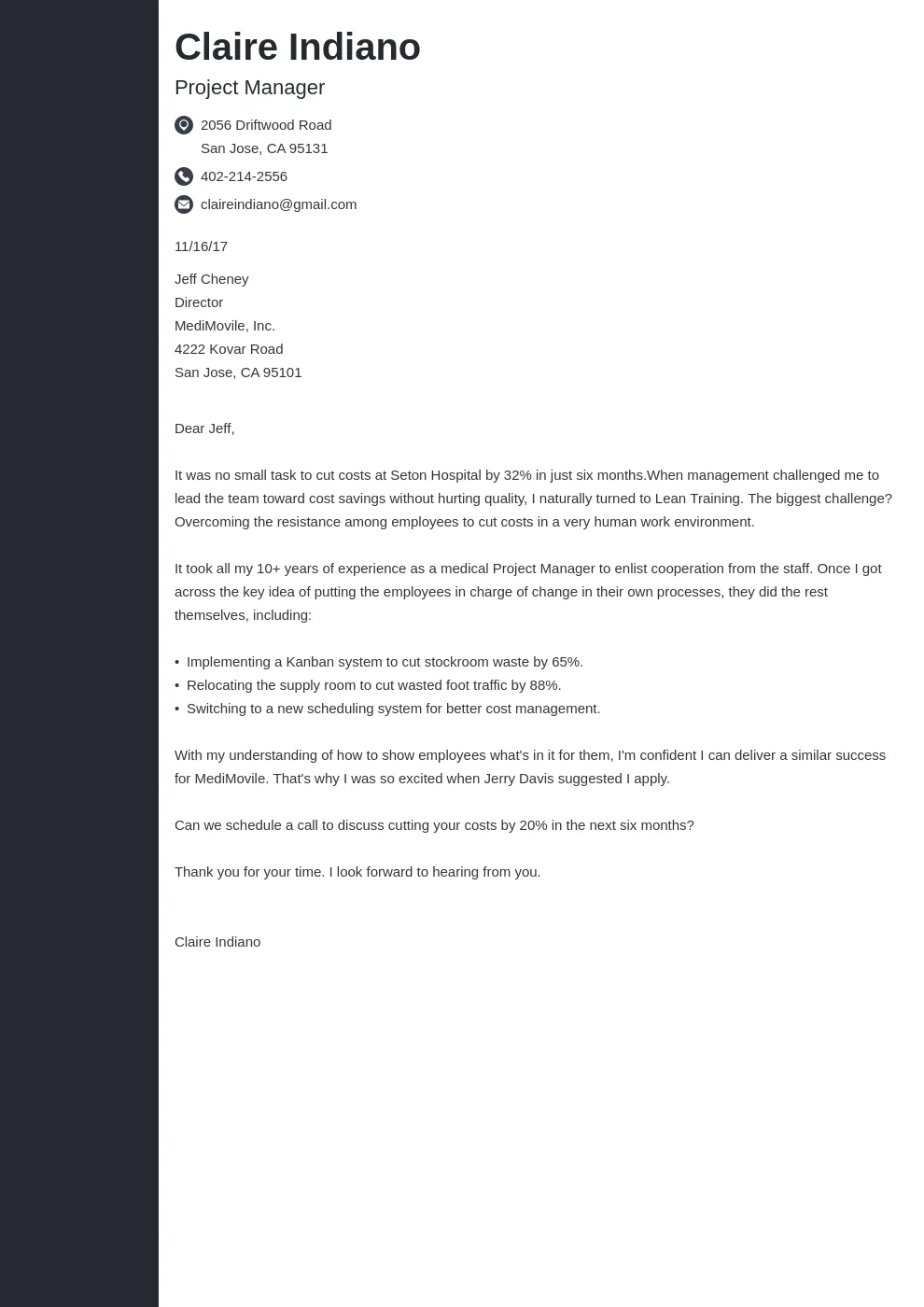
Cover Letter Basics
A cover letter is a crucial document in your job application, often overlooked but essential for making a strong first impression. It serves as your introduction to a potential employer, providing context to your resume and highlighting why you’re the perfect fit for the role. Think of it as your personal sales pitch, crafted to persuade the hiring manager to read your resume and invite you for an interview. Understanding the fundamentals of a cover letter is the first step towards mastering the art of job application and securing your desired position in the competitive job market. Mastering the art of a great cover letter will make a substantial difference in your job search process.
Understanding the Purpose of a Cover Letter
The primary purpose of a cover letter is to introduce yourself to the hiring manager and provide a snapshot of your qualifications and career aspirations. It’s your opportunity to tell your story, showcasing your personality, passion for the role, and enthusiasm for the company. Unlike your resume, which offers a factual account of your experience, a cover letter allows you to express your unique perspective and explain why you’re the ideal candidate. Moreover, it allows you to address any specific requirements or preferences mentioned in the job description. Remember, a well-crafted cover letter is a powerful tool that significantly increases your chances of landing an interview.
Why a Cover Letter Matters

In today’s competitive job market, a cover letter provides a significant advantage. It demonstrates your genuine interest in the position and allows you to personalize your application. Many employers value cover letters because they offer insights into your communication skills, writing ability, and attention to detail. It is an effective way to stand out from other candidates who may have similar qualifications on paper. A cover letter also gives you the chance to address any potential gaps in your resume or explain career changes. By addressing such concerns in the cover letter, you can proactively manage the employer’s initial perception. It showcases your professionalism and commitment, setting the stage for a successful job search.
Key Components of a Cover Letter
A well-structured cover letter typically consists of several key components. Start with a compelling opening that grabs the reader’s attention. Next, the body of your letter should highlight your relevant skills, experiences, and accomplishments, aligning them with the job requirements. This section is where you showcase why you’re the best fit for the role. Conclude with a strong closing, reiterating your interest, expressing gratitude for the opportunity, and including a call to action. Throughout the letter, maintain a professional tone and use proper grammar and spelling. Ensure to include your contact information and address the letter to the specific hiring manager whenever possible. Following these elements will make your cover letter stand out.
Crafting a Compelling Opening
The opening paragraph is your chance to make a strong first impression. Avoid generic greetings and instead, aim to grab the reader’s attention immediately. Start with a statement that reflects your enthusiasm, explains your interest in the position, or showcases something unique about your background. Consider mentioning a mutual connection, referencing a recent company achievement, or posing a thought-provoking question. Be clear, concise, and ensure your opening reflects your personality and the specific requirements of the job. A well-crafted opening sets the tone for the rest of the letter and encourages the reader to continue. The goal is to pique their interest and make them want to learn more about you and what you bring to the table. Make sure your opening is memorable.
Grabbing the Reader’s Attention

To capture the reader’s attention from the start, use compelling and original phrasing. Instead of a generic greeting, begin by referencing something specific about the company or the job. This could be a project you admire, a recent company achievement, or a specific skill mentioned in the job description. Another approach is to highlight a significant accomplishment or a unique experience that makes you stand out. Try using an anecdote that demonstrates your key skills or a question that sparks curiosity. The aim is to demonstrate your interest and make the hiring manager want to learn more about you. By using these techniques, your cover letter will immediately grab their attention and help you stand out from other applicants. Show them you’re not just sending a template, but a letter crafted especially for them.
Highlighting Your Key Skills
After your opening, the body paragraphs should showcase your key skills and experiences. Review the job description and identify the most important requirements. Then, provide examples of how you’ve demonstrated these skills in previous roles. Use the STAR method (Situation, Task, Action, Result) to structure your examples effectively. This will help you to clearly present your accomplishments and how they relate to the job. Quantify your achievements whenever possible, such as by including the percentage of sales increase or the number of projects completed. This will provide tangible evidence of your capabilities. Tailor your skills section to the specific requirements of the job and avoid simply listing skills. By highlighting your accomplishments and demonstrating their relevance, you’ll make a strong case for your suitability.
Expressing Enthusiasm and Interest
Throughout your cover letter, make sure to express your enthusiasm for the role and the company. Show that you’ve done your research by mentioning specific aspects of the company that appeal to you, such as its mission, values, or recent achievements. Explain why you’re excited about the opportunity and what you hope to contribute. Personalize your application by connecting your skills and experiences to the job’s requirements. Doing this will make it clear that you’re interested in the specific opportunity. By demonstrating genuine enthusiasm, you’ll make a positive impression on the hiring manager and make them more likely to consider you for the position. Your passion for the job should be evident in every paragraph.
Body Paragraphs Structure

The body paragraphs of your cover letter should be strategically organized to highlight your skills and experiences. Start by identifying the key requirements and responsibilities mentioned in the job description. Then, structure your paragraphs around these points, providing specific examples of how you’ve met these requirements in the past. Use the STAR method to describe each situation, the tasks you undertook, the actions you took, and the results you achieved. This structure makes it easy for the reader to understand your accomplishments and how they relate to the role. Use clear and concise language, and avoid jargon. Ensure each paragraph focuses on a single point, and connect them to show a flow from one idea to the next. Following a well-defined structure will ensure that your cover letter is clear, persuasive, and memorable.
Showcasing Relevant Experience
Your cover letter is your opportunity to provide context to the experience listed on your resume. Focus on the experiences most relevant to the job you’re applying for. Describe your role in previous positions and emphasize the skills and achievements that align with the job requirements. Don’t just list your responsibilities; instead, showcase what you accomplished in each role. Use action verbs to start your sentences, such as ‘managed,’ ’led,’ ‘developed,’ or ‘implemented.’ For each experience you mention, provide details that highlight your accomplishments and impact. By showcasing your relevant experience, you make it clear that you have the skills and expertise the employer is seeking. Remember to tailor your examples to reflect the specific needs of the job, demonstrating that you are a strong candidate.
Quantifying Achievements
When describing your achievements, always use numbers to quantify your accomplishments. This is one of the most effective ways to make your cover letter persuasive. Provide specific metrics that demonstrate the impact of your work, such as percentage increases in sales, the number of projects completed, or the amount of money saved. Instead of saying ‘improved customer satisfaction,’ say ‘increased customer satisfaction by 15%.’ Using numbers makes your claims more concrete and easier for the hiring manager to understand. Use data to highlight your successes and provide tangible evidence of your abilities. Quantifying your achievements is a powerful way to impress a prospective employer. Numbers speak louder than words.
Tailoring to the Job Description

It is essential to tailor your cover letter to each specific job description. Do not use a generic cover letter for every application. Start by carefully reviewing the job description and identifying the key requirements, skills, and qualifications. Then, use your cover letter to highlight how your skills and experience align with those requirements. Customize your examples to demonstrate that you understand the job and have the experience the employer is looking for. This demonstrates your interest in the position and shows that you’re willing to put in the effort. Research the company and understand its values and goals. By tailoring your cover letter, you will show that you are a strong match for the role, making you a more appealing candidate.
Concluding Your Cover Letter
The concluding paragraph of your cover letter is your last chance to leave a positive impression. Restate your interest in the position and briefly summarize why you’re a good fit. Thank the hiring manager for their time and consideration. Clearly express your interest in an interview and specify how you can be reached. Be direct and professional, and ensure your closing paragraph reinforces your key selling points. Avoid overly generic phrases; instead, demonstrate your genuine enthusiasm for the opportunity. Make sure your contact information is up to date and easy to find. A strong conclusion leaves a lasting impression and encourages the hiring manager to take the next step in the hiring process.
Reiterating Interest and Next Steps
In your closing paragraph, reiterate your enthusiasm for the position. Remind the hiring manager why you are a good fit and what you bring to the table. Clearly state your interest in an interview and make it easy for the hiring manager to contact you. Include your phone number and email address, and consider adding a link to your LinkedIn profile. Avoid using generic phrases and instead, demonstrate your genuine interest in the company and the job. By reiterating your interest and including a clear call to action, you make it easier for the hiring manager to take the next steps and invite you to an interview.
Formatting and Style

Your cover letter’s formatting and style are crucial for making a great first impression. Use a professional font like Times New Roman, Arial, or Calibri, and ensure that the font size is easy to read (typically 11 or 12 points). Maintain consistent formatting throughout the document, including margins, spacing, and alignment. Make sure your letter is concise, using clear and concise language, and that it is free of typos and grammatical errors. Keep the letter to one page and use short paragraphs to make it easy to scan. Structure your letter to include a header with your contact information, a formal salutation, a body with compelling paragraphs, and a professional closing. A well-formatted cover letter demonstrates your attention to detail and professionalism. Proper formatting is crucial for a professional presentation.
Choosing the Right Tone
The tone of your cover letter should be professional, yet personable. It should reflect your personality while maintaining a formal and respectful approach. Use a confident tone, but avoid sounding arrogant. Focus on the value you bring to the employer, and use enthusiastic language to show your passion for the job. Tailor the tone to match the company culture and the role you are applying for. If the company has a casual culture, your letter can be slightly more informal. If the job requires a more formal approach, your letter should be more professional. By choosing the right tone, you demonstrate that you understand the company’s values and the job requirements.
Proofreading and Editing
Before you submit your cover letter, proofread it carefully for any errors. Typos, grammatical errors, and formatting inconsistencies can create a negative impression and potentially cost you the job. Read your letter aloud to catch any awkward phrasing or unclear sentences. Ask a friend or family member to review your letter for a fresh perspective. Check for spelling and grammar mistakes, using a spellchecker and grammar checker. Ensure all your contact information is correct and up to date. Proofreading is a crucial step in the job application process. A well-edited cover letter shows that you pay attention to detail. Take the time to check and recheck every aspect of the letter.
Common Cover Letter Mistakes to Avoid

Certain mistakes can significantly reduce the effectiveness of your cover letter. It is important to avoid these pitfalls to maximize your chances of landing an interview. Common mistakes include using generic openings, focusing too much on yourself, and making typos or grammatical errors. Other mistakes include not tailoring your letter to the specific job, using a negative tone, or failing to proofread your letter. By avoiding these common errors, you can ensure that your cover letter is professional, persuasive, and tailored to each specific job application. Recognizing the pitfalls will help you create a standout cover letter.
Generic Openings
Avoid starting your cover letter with generic phrases like ‘Dear Hiring Manager’ or ‘To Whom It May Concern.’ Such greetings lack personalization and show a lack of effort. If possible, address the letter to a specific person. If you cannot find a name, try researching the hiring manager on LinkedIn or the company website. Instead of generic greetings, try more engaging openings that grab the reader’s attention. Begin by mentioning a mutual connection or a specific company achievement, or share your enthusiasm for the role or the company. Generic openings indicate a lack of interest and decrease your chances of getting noticed. A personalized opening shows that you’ve taken the time to research the company and the job, making you a more attractive candidate.
Focusing on Yourself Too Much
Avoid writing a cover letter that focuses primarily on your own needs and wants. While it’s essential to highlight your skills and experience, shift the focus to the employer’s needs. Explain what you can do for the company and how you can help them achieve their goals. Instead of saying ‘I want this job,’ try saying ‘I can help your company achieve X by doing Y.’ Make it clear that you understand the company’s objectives and have the skills to meet them. The employer is more interested in what you can do for them. Demonstrate how your skills and experience align with the job’s requirements and benefit the company. Your cover letter should be a reflection of your qualifications.
Typos and Grammatical Errors
Typos and grammatical errors are a major turn-off for hiring managers. They signal a lack of attention to detail and can make you seem unprofessional. Before submitting your cover letter, always proofread it carefully. Check for spelling, punctuation, and grammar errors. Read your letter aloud to catch any awkward phrasing or unclear sentences. Ask a friend or family member to review your letter for a fresh perspective. Use spellcheck and grammar check tools, but don’t rely on them completely. Always proofread your own work. Typos and grammatical errors can ruin your chances of getting an interview. A clean, error-free cover letter demonstrates that you are organized and professional.
Cover Letter Examples Analysis
Analyzing effective cover letter examples can provide valuable insights into how to write your own successful letter. Reviewing examples can help you understand the structure, language, and tone that work best. Pay attention to how the examples grab the reader’s attention, highlight skills, and express enthusiasm. Look for examples that match your industry and the type of job you are applying for. Study different approaches to opening paragraphs, body paragraphs, and closing statements. By studying successful examples, you can gain a better understanding of what hiring managers are looking for. Use them as inspiration and adapt the best practices to your own cover letter.
Analyzing Effective Openings
When analyzing cover letter examples, pay close attention to the opening paragraphs. Effective openings immediately grab the reader’s attention and set the tone for the rest of the letter. Identify the different techniques used to create strong openings, such as mentioning a mutual connection, referencing a company achievement, or posing a thought-provoking question. See how the examples showcase the candidate’s enthusiasm for the role and the company. Notice how the openings are tailored to the specific job and company. Study the different ways of opening a cover letter to grab the reader’s attention from the beginning. Analyzing successful openings will give you inspiration.
Extracting Best Practices
Extract the best practices from the cover letter examples you analyze. Identify the common elements in successful letters, such as the use of action verbs, quantifiable achievements, and a clear focus on the employer’s needs. Note how the candidates tailor their letters to the specific job and company. Take note of the language used and the tone employed. By extracting the best practices, you can apply them to your own cover letter. This will give you a strong foundation for writing a professional and effective letter. Incorporate the tips from the best examples to make your cover letter a standout document.
Final Checklist for Your Cover Letter
Before submitting your cover letter, use a final checklist to ensure it is polished and ready to impress. Verify that you have addressed the letter to the correct hiring manager, personalized the letter to the specific job, and highlighted your relevant skills and experience. Make sure your opening is compelling, and your closing reinforces your interest and next steps. Check the formatting, proofread for any errors, and ensure that all the contact information is correct. Confirm that your letter is the appropriate length and that it matches the tone of the job. Use a cover letter checklist to check your cover letter and ensure all requirements are met. Following the checklist will increase your chance of success.