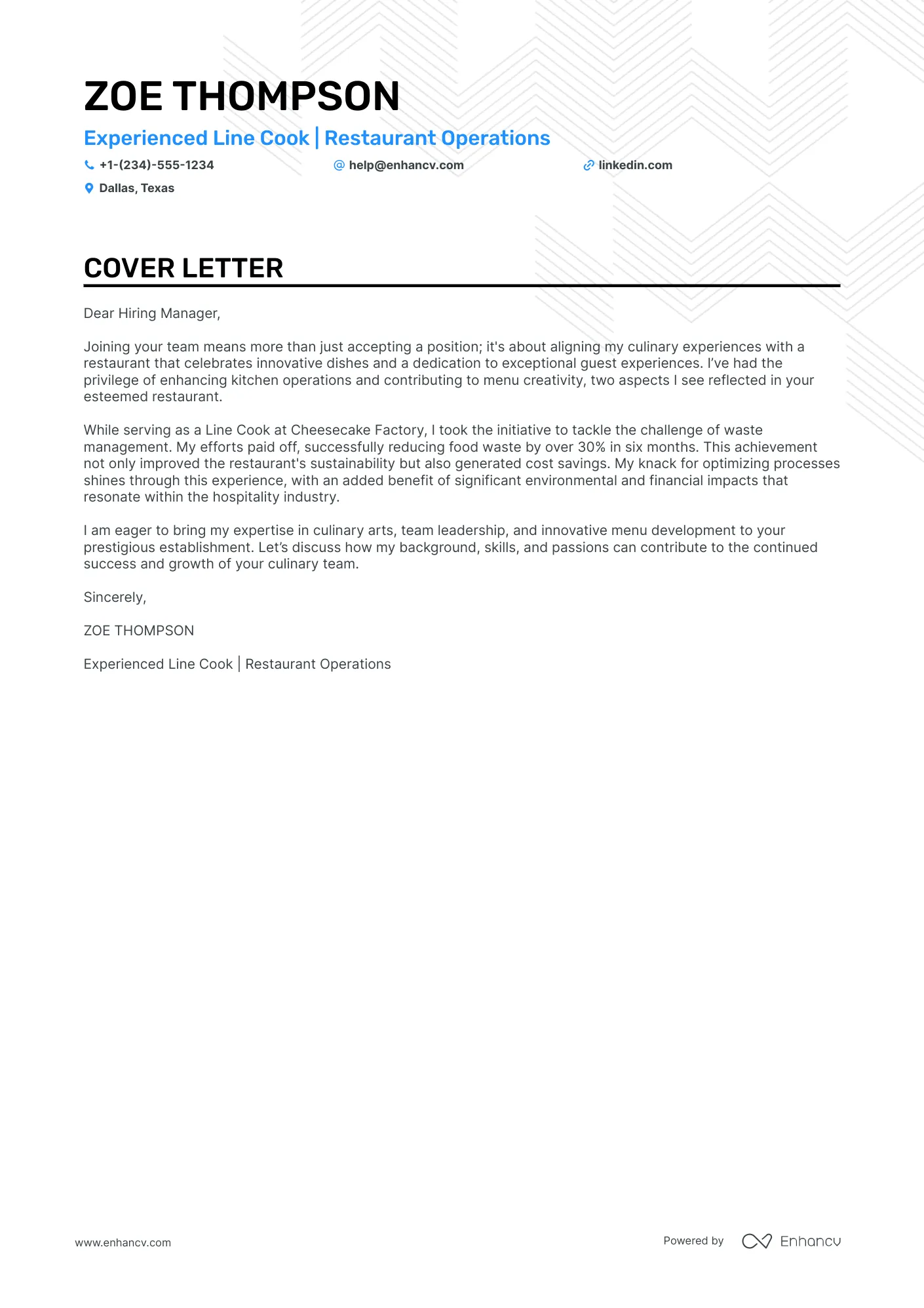
Crafting Your Cook Cover Letter
A cook cover letter is your first impression on a potential employer, and even without direct experience, you can still make a strong impact. The key is to highlight your transferable skills, express your passion for cooking, and demonstrate your willingness to learn and contribute. Remember, a well-crafted cover letter should not simply reiterate your resume; instead, it should elaborate on your strengths, tailor your skills to the specific job requirements, and convince the hiring manager that you are the right fit for their kitchen. This is your opportunity to showcase your enthusiasm and personality, making you stand out from other applicants who may also lack direct professional experience.
Highlighting Transferable Skills
When you lack direct experience, focus on transferable skills gained from other jobs, volunteer work, or even personal experiences. These skills are valuable in a kitchen environment. Consider skills such as organization, time management, teamwork, and attention to detail. If you’ve worked in retail, for example, you can highlight your ability to handle multiple tasks simultaneously, manage customer interactions (which translates to handling orders and communicating with servers), and maintain a clean and organized workspace. If you’ve volunteered, emphasize any instances where you were responsible for food preparation, even if it was on a small scale. The goal is to connect your existing abilities to the demands of a cook position, showing that you possess the necessary traits to succeed.
Identify Relevant Skills

Make a list of all your skills, then identify which ones are most relevant to a cook position. These might include knife skills (even if you’ve only practiced at home), knowledge of food safety, ability to follow recipes, and the capacity to work under pressure. If you have experience with meal planning, grocery shopping, or even hosting dinner parties, these can demonstrate your understanding of food preparation and service. Also, consider any technical skills, like operating kitchen equipment, which, even if you learned them in a home setting, can still be relevant and show your adaptability. Don’t be afraid to list any cooking software or applications you might know.
Showcasing Passion and Enthusiasm
Your enthusiasm is one of your greatest assets. Express your genuine passion for cooking and food. This could include describing your love for experimenting with new recipes, exploring different cuisines, or the joy you get from feeding others. Mention any cooking classes, online courses, or culinary books you’ve explored to expand your knowledge. If you’re applying to a specific restaurant, demonstrate that you understand and appreciate their style of food by referencing specific dishes you admire or ingredients they frequently use. Your passion will not only make your cover letter more engaging but will also show employers that you are dedicated and motivated to learn and grow in the culinary field.
Emphasize Your Willingness to Learn
A lack of experience is less of a barrier when you convey a strong eagerness to learn. Clearly state your willingness to take direction, absorb new knowledge, and adapt to the kitchen environment. Mention your openness to feedback and your commitment to continuous improvement. You can also highlight any steps you’ve taken to educate yourself, such as online culinary courses, food blogs you follow, or cookbooks you’ve studied. This shows potential employers that you are proactive and ready to invest time and effort into developing your skills. This mindset shows that you are not just looking for a job but a learning opportunity.
Researching the Restaurant and Position
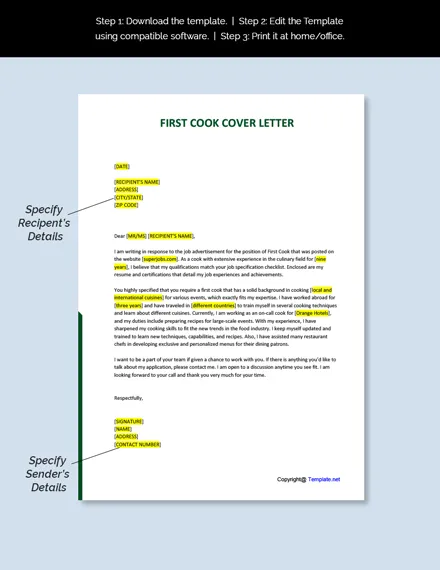
Before you write your cover letter, research the restaurant and the specific cook position thoroughly. Review their menu, understand their culinary style, and try to grasp the restaurant’s atmosphere. This will help you tailor your cover letter to their needs and demonstrate your genuine interest. Identify key requirements in the job description, and address them in your letter, specifically mentioning how your skills and enthusiasm align with the restaurant’s values and expectations. This also provides an opportunity to highlight what aspects of their restaurant appeal to you. Showing that you have taken the time to learn about the company demonstrates professionalism and an authentic interest in joining their team.
Tailoring Your Cover Letter
Avoid using a generic cover letter. Instead, tailor it to each job application. Customize your letter to the specific restaurant and the position you’re applying for. This includes mentioning the restaurant by name, referencing their menu, and highlighting the skills and experiences that are most relevant to the specific job description. Show how your skills and enthusiasm align with the restaurant’s values and expectations. A personalized cover letter shows that you care about the opportunity and have taken the time to understand the needs of the employer, increasing your chances of being noticed.
Address the Hiring Manager Directly
Whenever possible, address the hiring manager or the person responsible for recruitment by name. If you cannot find the name of the hiring manager, research the restaurant’s website or social media profiles. If this information is unavailable, use a general greeting, such as “Dear Hiring Manager.” Addressing the letter to a specific person shows that you have done your research and that you are genuinely interested in the position. It also creates a more personal connection, making your cover letter stand out from the generic applications.
Using Action Verbs and Quantifiable Achievements

Use action verbs to describe your skills and experiences. This makes your cover letter more dynamic and engaging. Instead of saying “I have experience with food preparation,” say “Prepared food for up to 50 people at a time.” Whenever possible, quantify your achievements. For example, if you have improved efficiency in a previous role, mention the percentage by which you improved it. If you have helped with a catering event, specify how many guests you served. By using action verbs and quantifiable achievements, you showcase your skills effectively and demonstrate the value you can bring to the kitchen.
Focusing on Soft Skills
Highlight your soft skills as they are highly valued in the culinary industry. These are transferable skills that enhance your ability to work in a fast-paced environment. While hard skills are important, soft skills demonstrate your ability to work with others and contribute positively to the team. Soft skills, such as communication, teamwork, time management, and problem-solving, are essential in a kitchen setting, even when you lack experience.
Communication and Teamwork
In a kitchen, clear communication and strong teamwork are essential. Mention your ability to communicate effectively with team members, follow instructions precisely, and work collaboratively under pressure. Give an example of a time when you successfully collaborated with others to achieve a common goal. This could be from a group project, a volunteer event, or any situation where you had to work with others to accomplish a task. This highlights your ability to navigate and contribute within a team environment.
Time Management and Organization

Demonstrate your ability to manage time and stay organized. Mention your ability to prioritize tasks, work efficiently, and meet deadlines. Describe a time when you successfully managed multiple responsibilities or completed a project on time. This might include organizing a party, coordinating a volunteer event, or completing several tasks simultaneously. Emphasize your attention to detail and your ability to maintain a clean and organized workspace, critical for kitchen operations.
Showcasing Your Culinary Knowledge
While you may lack professional experience, showcase any knowledge you have in the culinary field. This includes knowing about different cooking techniques, understanding the importance of food safety, and having a basic understanding of various cuisines. You may have knowledge of food storage, food preparation, or cooking methods. If you have a favorite cuisine or particular dish you like to prepare, mention it, and briefly explain what you like about it. This indicates your interest in food and your willingness to learn.
Demonstrate Your Passion for Cooking
Your passion for cooking should be evident throughout your cover letter. Describe how you enjoy cooking, what types of food you like to prepare, and what motivates you to cook. If you have a specific culinary interest, such as baking, international cuisine, or healthy eating, highlight it. Share a bit about how you got into cooking and what you enjoy the most about the process. A passionate cover letter will help demonstrate that you are serious about this career and excited about the opportunity.
Mentioning Specific Dishes or Cuisines

To show that you are truly interested and enthusiastic about the position, mention specific dishes or cuisines that interest you. If you know the restaurant’s specialty or menu items, demonstrate that you have an understanding of their culinary style. Mention any experiences or dishes you have prepared that align with the restaurant’s focus, even if it’s from personal experiences. This gives a clear indication of your interests and shows your attention to detail. Demonstrating a specific understanding of the restaurant’s culinary focus can help your cover letter resonate with the hiring manager.
Formatting and Proofreading Your Cover Letter
Ensure your cover letter is well-formatted and free of errors. The presentation reflects your professionalism and attention to detail, both crucial in a kitchen environment. A polished cover letter will show that you are serious about the opportunity.
Font and Layout
Choose a professional font like Arial, Times New Roman, or Calibri. Use a clear, easy-to-read font size (11 or 12 points). Maintain a consistent layout, with clear headings, concise paragraphs, and ample white space. Avoid overly elaborate formatting or distracting colors. The layout should be clean and organized to make your cover letter easy to read.
Proofreading for Errors

Proofread your cover letter carefully for any spelling, grammar, or punctuation errors. Typos and grammatical mistakes can undermine your credibility and show a lack of attention to detail. Use a spellchecker, and then read the letter aloud. Ask a friend or family member to review it for you. It’s always helpful to get a second pair of eyes to catch any mistakes you may have missed.
Writing a Compelling Closing
End your cover letter with a strong closing statement that re-emphasizes your interest in the position and the restaurant. Thank the hiring manager for their time and consideration. Make it clear that you are available for an interview and are eager to discuss how you can contribute to their team. Restate your enthusiasm and excitement about the opportunity, reiterating your passion for cooking and your commitment to learning and growing in the culinary field.
Expressing Your Interest and Availability
Conclude your cover letter with a clear statement of your interest in the position. Express your willingness to come in for an interview at their earliest convenience. Include your phone number and email address so the hiring manager can contact you easily. A clear and direct closing ensures the hiring manager knows you are ready to take the next step in the process.