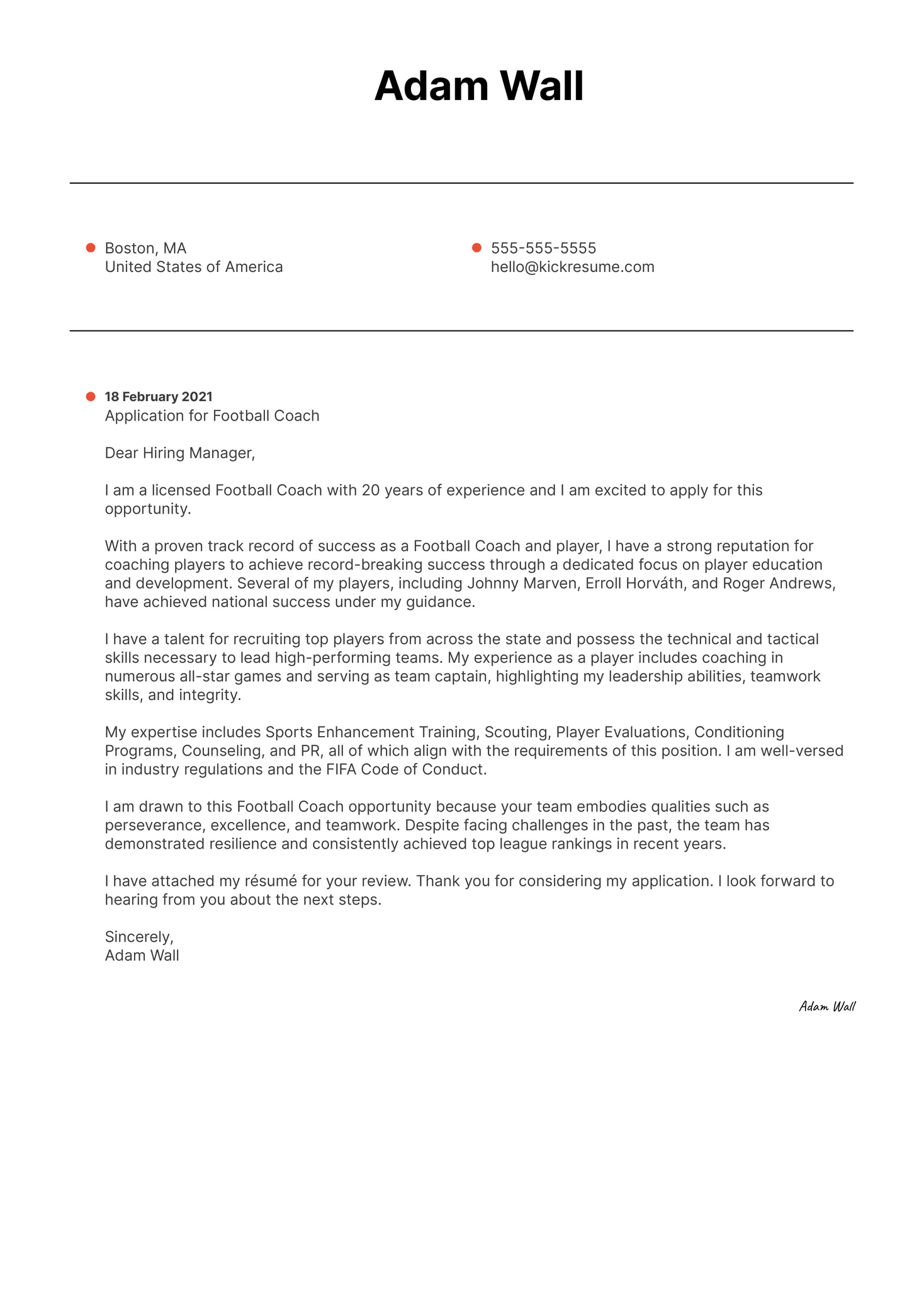
A well-crafted coach cover letter is your first opportunity to make a lasting impression on a potential employer. It’s more than just a formality; it’s your chance to showcase your expertise, passion, and qualifications in a way that a resume alone cannot. This guide provides comprehensive insights and practical tips on how to craft a coach cover letter that not only impresses but also significantly increases your chances of landing an interview. By following these steps, you’ll be well-equipped to present yourself as the ideal candidate for any coaching position.
Crafting a Coach Cover Letter That Impresses
Creating an impressive coach cover letter begins with understanding the goal: to capture the hiring manager’s attention and persuade them to invite you for an interview. This requires more than simply listing your qualifications. It necessitates a strategic approach that highlights your unique value proposition, demonstrates your understanding of the role, and conveys your genuine enthusiasm for the opportunity. The letter should be concise, well-organized, and tailored to the specific requirements of the coaching position, ensuring that you stand out from other applicants and leave a memorable impression.
Understanding the Purpose of a Coach Cover Letter
The primary purpose of a coach cover letter is to introduce yourself, your skills, and your experience to a prospective employer. It serves as a supplement to your resume, allowing you to elaborate on your qualifications and demonstrate why you are the perfect fit for the job. Think of it as your personal sales pitch, designed to convince the hiring manager that you possess the necessary attributes to excel in the coaching role. A strong cover letter conveys your passion for coaching, your understanding of the team or individuals you will be coaching, and your ability to contribute to their success.
Highlighting Your Coaching Experience and Skills

When highlighting your coaching experience, focus on the most relevant aspects of your career. Provide specific examples of how you’ve helped individuals or teams achieve their goals. Quantify your achievements whenever possible; for instance, detail how you improved performance metrics, enhanced team cohesion, or developed strategic plans that led to success. Emphasize key coaching skills such as communication, motivation, leadership, and the ability to provide constructive feedback. The goal is to demonstrate not only that you have experience, but also that you can deliver tangible results.
Showcasing Relevant Certifications and Qualifications
Incorporate your coaching certifications, licenses, and any other relevant qualifications prominently in your cover letter. Mention the specific organizations that have accredited these qualifications and the dates of completion. If you have additional qualifications such as degrees or special training that are pertinent to the coaching role, be sure to include them as well. Demonstrating that you have the necessary qualifications is crucial; it gives the hiring manager confidence in your ability to perform the job effectively and legally.
Tailoring Your Cover Letter to the Specific Role
Avoid sending a generic cover letter to every job application. Instead, customize each letter to match the requirements of the specific coaching position. Carefully review the job description and identify the key skills and experience that the employer is seeking. Then, align your cover letter to reflect these requirements. Demonstrate how your qualifications and experiences directly relate to the role and how you can contribute to the organization’s goals. This personalized approach shows the hiring manager that you have taken the time to understand their needs and are genuinely interested in the opportunity.
Structuring Your Coach Cover Letter for Impact

Organize your coach cover letter logically and coherently. Start with a compelling opening paragraph that captures the reader’s attention and states the position you’re applying for. The body of the letter should highlight your skills, experience, and achievements, supported by relevant examples. Use clear and concise language to convey your message, and break the text into easily digestible paragraphs. Conclude with a strong closing paragraph that reiterates your interest in the position and includes a call to action, such as requesting an interview. A well-structured cover letter is easy to read and allows the hiring manager to quickly grasp your qualifications.
Formatting Your Cover Letter for Readability
Ensure your coach cover letter is visually appealing and easy to read. Use a professional font, such as Times New Roman or Arial, and maintain a consistent font size throughout the document. Leave ample white space between paragraphs and around the margins to prevent the text from appearing cluttered. Consider using bullet points to highlight key skills or achievements. Keep the letter to one page if possible. Proper formatting enhances readability and makes it easier for the hiring manager to focus on your qualifications.
Writing a Compelling Opening Paragraph
The opening paragraph is critical; it sets the tone for the entire letter and determines whether the hiring manager will continue reading. Start with a strong hook that captures their attention. Clearly state the coaching position you are applying for and mention where you saw the job advertisement. Briefly summarize your key qualifications or a significant achievement that makes you an excellent candidate. Express your enthusiasm for the opportunity and the organization to create an initial positive impression that will encourage the reader to learn more about you.
Emphasizing Achievements and Results

Instead of simply listing your responsibilities, highlight your achievements and the results you have delivered in previous coaching roles. Use quantifiable data to demonstrate your impact, such as performance improvements, successful team outcomes, or positive feedback from clients. Showcase your ability to generate results, not just to perform tasks. For example, instead of saying ‘Managed team meetings,’ you might say ‘Improved team performance by 15% through strategic meeting management and enhanced communication strategies.’ This approach demonstrates your ability to add value and contribute to the organization’s success.
Addressing the Hiring Manager and Company
Personalize your cover letter by addressing the hiring manager by name, if possible. Research the company and show that you understand their mission, values, and recent achievements. Demonstrate how your skills and experience align with the company’s goals and how you can contribute to their success. Mentioning specific aspects of the company that interest you demonstrates that you’ve done your homework and are genuinely interested in the opportunity. This personalization makes your application stand out from the generic ones.
Proofreading and Editing Your Cover Letter
Before submitting your coach cover letter, meticulously proofread and edit it to eliminate any grammatical errors, typos, or inconsistencies. Errors can create a negative impression and suggest a lack of attention to detail. Read your cover letter aloud to identify awkward phrasing or sentences. Ask a trusted friend or colleague to review it as well; a fresh pair of eyes can often catch errors that you might miss. A well-edited cover letter reflects professionalism and ensures that your message is clear and compelling.
Including a Strong Call to Action

Conclude your coach cover letter with a strong call to action that encourages the hiring manager to take the next step. Express your enthusiasm for the opportunity and reiterate your interest in an interview. Provide your contact information again and state your availability for an interview. Thank the hiring manager for their time and consideration. A clear call to action makes it easy for the hiring manager to respond and move forward with your application.
Common Mistakes to Avoid in Coach Cover Letters
Avoid these common mistakes to make your cover letter more effective. Do not include generic statements or overly verbose language that does not provide specific examples. Steer clear of exaggerations or inaccuracies about your qualifications. Refrain from focusing on what you want from the job without emphasizing what you can contribute to the organization. Do not submit a cover letter with grammatical errors or typos. Proofreading is essential. Make sure your cover letter is tailored to the specific role and avoids any negative comments about previous employers.
Key Skills to Mention in Your Coach Cover Letter
Emphasize key coaching skills in your cover letter to showcase your capabilities. These include strong communication and interpersonal skills, excellent leadership abilities, the capacity to motivate and inspire, the ability to provide constructive feedback, and the capacity to build and maintain relationships. Also, highlight your ability to analyze performance data, set clear goals, and develop effective training programs. Demonstrate your understanding of coaching methodologies and your ability to implement them successfully. Show that you are capable of critical thinking, and problem solving.
Examples of Effective Coach Cover Letter Phrases

Utilize impactful phrases to demonstrate your expertise. Begin with a strong opening such as: ‘I am writing to express my enthusiastic interest in the Coach position…’. Highlight specific accomplishments using phrases like: ‘Increased team performance by X% through Y strategies’ or ‘Successfully implemented Z coaching techniques resulting in A outcome’. Use phrases to demonstrate your alignment with the company such as ‘I am particularly drawn to [Company’s] commitment to…’. Close with confidence: ‘I am confident that my skills and experience align perfectly with the requirements of this role, and I am eager to contribute to your team.’ These examples showcase the best practices to make your application stand out.
In conclusion, a well-crafted coach cover letter is your most effective tool for making a compelling first impression and securing an interview. By following the tips outlined in this guide, you can showcase your skills, experience, and passion for coaching, significantly increasing your chances of landing your dream job. Remember to tailor your letter to each specific role, highlight your achievements, and maintain a professional and enthusiastic tone. Good luck with your job search!