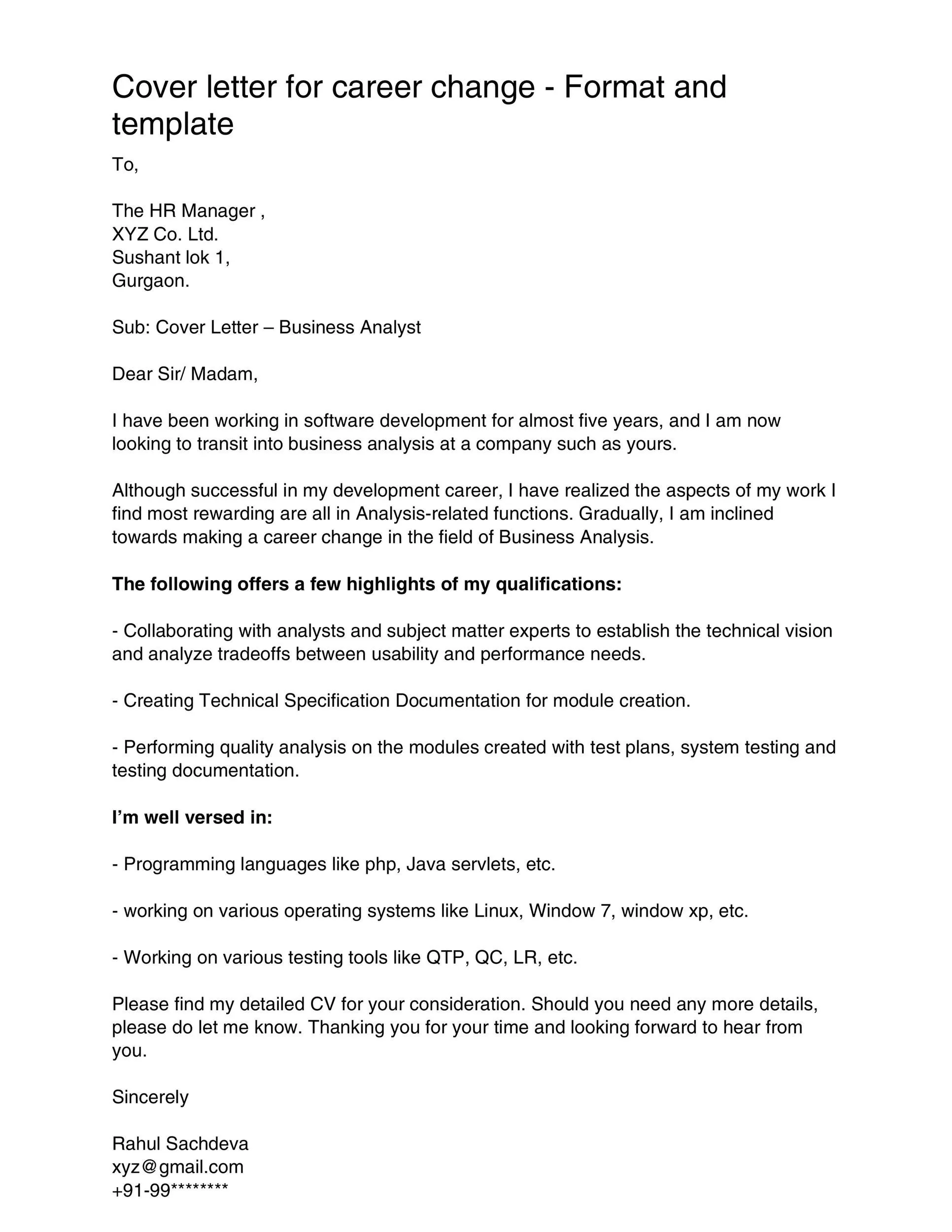
Why Career Change Cover Letters Matter
Changing careers can be a daunting task, but a well-crafted cover letter is your secret weapon. Unlike a resume, a cover letter provides the space to explain your career shift and connect your past experiences to your desired future. It’s a chance to tell your story, highlighting the transferable skills and experiences that make you a strong candidate, even if your background doesn’t perfectly align with the new role. A compelling cover letter demonstrates your enthusiasm, proactive approach, and understanding of the target industry or role. It can be the crucial factor that convinces a hiring manager to overlook the lack of direct experience and consider you for an interview. In today’s competitive job market, a tailored cover letter is no longer optional; it’s a must-have for making a positive first impression and securing your dream job.
Highlighting Transferable Skills
Transferable skills are the cornerstone of a successful career change. These are the abilities and competencies you’ve developed in previous roles that are applicable in various industries and job functions. Think about communication, problem-solving, leadership, project management, and analytical skills. Identifying and showcasing these skills in your cover letter is crucial. When describing your past experiences, focus on the tasks and achievements that demonstrate these transferable skills. Use action verbs and quantify your accomplishments whenever possible. For example, instead of saying ‘Managed a team,’ say ‘Led a team of five, increasing project efficiency by 15% within six months.’ By emphasizing your transferable skills, you reassure the hiring manager that you possess the necessary abilities to excel in the new role.
Identifying Your Key Skills

Begin by making a list of your skills. Consider both hard skills, like proficiency in software or technical knowledge, and soft skills, like communication or teamwork. Review job descriptions for the roles you’re targeting and identify the skills they emphasize. Cross-reference these with your skill list to pinpoint the most relevant and transferable skills. Next, think about how you’ve demonstrated these skills in your previous roles. For each skill, provide specific examples of how you used it to achieve a positive outcome. This could be anything from resolving a customer issue to leading a successful project. Ensure your cover letter clearly communicates to the hiring manager which skills are your strong suits.
Showcasing Achievements
Achievements speak louder than words. Rather than simply listing your responsibilities, highlight your accomplishments. Use the STAR method (Situation, Task, Action, Result) to structure your examples. Describe the situation, the task you were assigned, the actions you took, and the positive results you achieved. Quantify your achievements whenever possible. Did you increase sales? Reduce costs? Improve efficiency? Providing numbers demonstrates the impact of your work and makes your accomplishments more compelling. This approach not only demonstrates your skills but also showcases your value and potential to contribute in the new role. Focus on achievements that relate to the requirements of the job you are applying for.
Addressing the Career Gap
Career gaps can raise concerns for hiring managers, but a well-written cover letter offers an opportunity to address them proactively. Be honest and straightforward about any gaps in your employment history. Provide a brief explanation, focusing on the positive aspects rather than dwelling on negative ones. Whether you took time off for personal reasons, further education, or volunteering, frame the gap in a way that highlights your growth, skills, or experiences. Always remember to convey a sense of direction and ambition in your explanation, reassuring the employer that you have a clear plan for the future. Addressing the gap directly and professionally minimizes potential concerns and helps demonstrate your commitment to the new career path.
Explanation of the Gap

When explaining a career gap, be concise and focus on the essential information. Avoid overly detailed or negative explanations. Frame the gap positively. For example, if you took time off for family care, highlight the skills you gained, such as time management, organizational skills, and the ability to handle pressure. If you pursued further education, mention the new skills and knowledge you acquired. If you volunteered, explain how your experience helped develop your skillset and personal growth. Ultimately, the explanation should assure the hiring manager that the gap does not affect your ability to perform the job.
Activities During the Gap
Detailing your activities during a career gap can strengthen your application. If you engaged in any professional development, courses, or certifications, mention them. If you volunteered, provide details about the organization and your responsibilities. Did you work on personal projects or freelance? Including these activities demonstrates your initiative and your commitment to staying active and productive during the gap. It also offers additional evidence of your skills and experience. By showing how you spent your time, you can reassure the hiring manager that you used the break to improve your skills and be well-prepared for the new role. Emphasize what you learned and the skills you gained.
Example 1 Cover Letter
Let’s examine a cover letter example of an individual transitioning from a marketing role to a project management position. The candidate had extensive experience in marketing campaigns and customer relationship management, but had a growing interest in the project’s organization, timeline, and execution. This candidate used their cover letter to highlight this interest and their ability to manage multiple projects efficiently. The letter outlined the key strengths that the candidate had that are transferable to project management, such as communication skills, managing timelines and working with cross-functional teams.
Overview of the Example

The structure of the example cover letter is very critical in terms of how the candidate wants the hiring manager to look at their qualifications. The cover letter starts by clearly stating the career change and expressing enthusiasm for the project management role. It includes a brief overview of the candidate’s marketing experience, highlighting transferable skills relevant to project management. The main body highlights specific achievements that demonstrate these skills, using the STAR method to provide context and evidence. The letter concludes by expressing eagerness to learn more and a willingness to contribute to the company’s goals.
Key Strengths Highlighted
This cover letter focuses on several key strengths: strong communication, problem-solving, and the candidate’s understanding of customer needs. These strengths are essential to project management, as project managers often communicate with a diverse range of stakeholders. The letter emphasizes the ability to manage multiple projects and meet deadlines, as well as the ability to work well with cross-functional teams. Specific examples from marketing projects are provided to highlight these strengths. The focus ensures that the skills are recognized by the hiring manager and are directly relevant to the role. This letter exemplifies how to tailor your experience to the job requirements.
Example 2 Cover Letter
Here is another cover letter example from a teacher transitioning to a learning and development role. The candidate’s cover letter emphasizes her passion for training and adult education. She focuses on how she developed training materials and engaged participants in a classroom environment. The letter aims at conveying the candidate’s ability to design and implement effective training programs.
Focus on Passion and Interest

The cover letter leads by expressing enthusiasm for the learning and development position and highlights the candidate’s passion for training and adult education. She mentions her teaching experience and how she designed and delivered courses. This section of the letter focuses on how she developed engaging content that caters to varying learning styles. This emphasizes the ability to engage and inspire others to excel. She also demonstrates her ability to create a positive learning environment and connect with different audiences.
Quantifiable Results
This cover letter uses quantifiable results to add impact. When it comes to training programs, it is very important to be able to show that you have actually made a difference. For example, the candidate includes data on improved student performance or positive feedback from participants. The letter includes specific examples, like increased student engagement and achievement of key learning objectives. Also, the candidate highlights achievements such as designing and implementing successful training programs and receiving positive feedback. The letter also includes how the candidate contributed to curriculum development and training sessions.
Example 3 Cover Letter
Now, we’ll analyze a cover letter from a retail manager who is trying to switch to a customer service representative position. The candidate uses a skills-based approach to highlight the skills that are relevant in customer service. The applicant highlights experiences managing customer complaints, resolving issues, and building customer relationships. This approach emphasizes skills and transferable experiences to convince the hiring manager.
Skills-Based Approach

The cover letter begins by highlighting the skills and experiences that are crucial in customer service. It is a skills-based approach. This method is used to demonstrate how the candidate excels in all aspects of customer service and how they can use these skills in the position. The letter includes effective communication skills, conflict resolution skills, and a proactive approach to customer care. The candidate also showcases their ability to handle customer inquiries and resolve issues quickly. This approach shows the applicant’s deep understanding of what it takes to be a success.
Adaptability and Willingness
Adaptability and a willingness to learn are emphasized throughout this cover letter. The candidate mentions their ability to adapt to different situations and their dedication to customer satisfaction. Additionally, the letter also highlights the ability to work with a variety of customer demands and adapt to different environments, including difficult customer demands. This also reassures the hiring manager of their commitment. Also, the cover letter shows a commitment to continuous learning and development, suggesting a proactive attitude towards improving customer experience.
Example 4 Cover Letter
We have another example, this time from an administrative assistant looking to become a project coordinator. The applicant’s letter concentrates on her motivation for changing careers and why she is interested in this position. The letter highlights experiences related to organization, time management, and administrative support. It is designed to show the applicant’s commitment and why the applicant wants this role.
Emphasizing Motivation

This letter starts by expressing her enthusiasm for the project coordinator role. The candidate clearly states why they want to change and explains their motivations. This approach not only shows genuine interest but also addresses the career change directly. It establishes a foundation of eagerness. The applicant also describes her long-term career goals and how the role fits into these goals. The letter also shows a passion for project management and administrative support to highlight all the strengths relevant to the position.
Why This Role?
This part of the cover letter focuses on why the candidate wants this role. The candidate describes how the position aligns with her personal and professional goals. The letter highlights the skills the applicant has to bring to the table. It also highlights her ability to manage projects and work with different teams. Specific examples are provided to show her abilities to contribute to the projects. The letter clearly states how the applicant is the best fit for the position.
Example 5 Cover Letter
The final cover letter example is from a financial analyst transitioning to a data scientist role. This letter directly addresses the career change and explains how the candidate’s financial experience can be applied in a data science environment. The cover letter is designed to demonstrate the candidate’s capacity to analyze data and derive actionable insights.
Addressing Career Change Directly
The cover letter starts by clearly stating the career change and explaining the applicant’s interest in data science. This part of the letter addresses the career change directly. The candidate explains how the financial experience is useful in the new role. It also showcases the applicant’s ability to analyze financial data and derive insights. This demonstrates confidence and openness and reduces any concerns about the career change.
Closing Remarks
In conclusion, these cover letter examples offer an inspiring look at how to craft a cover letter. When you focus on transferable skills, quantify achievements, and address any gaps professionally, you enhance your career transition. Remember to highlight your accomplishments in a way that makes you the ideal fit for the position and the organization. A well-crafted cover letter can make a huge difference. Your goal is to catch the hiring manager’s attention and get the interview. Make sure you tailor your cover letter to each job you apply for and show why your skills are right for the role.