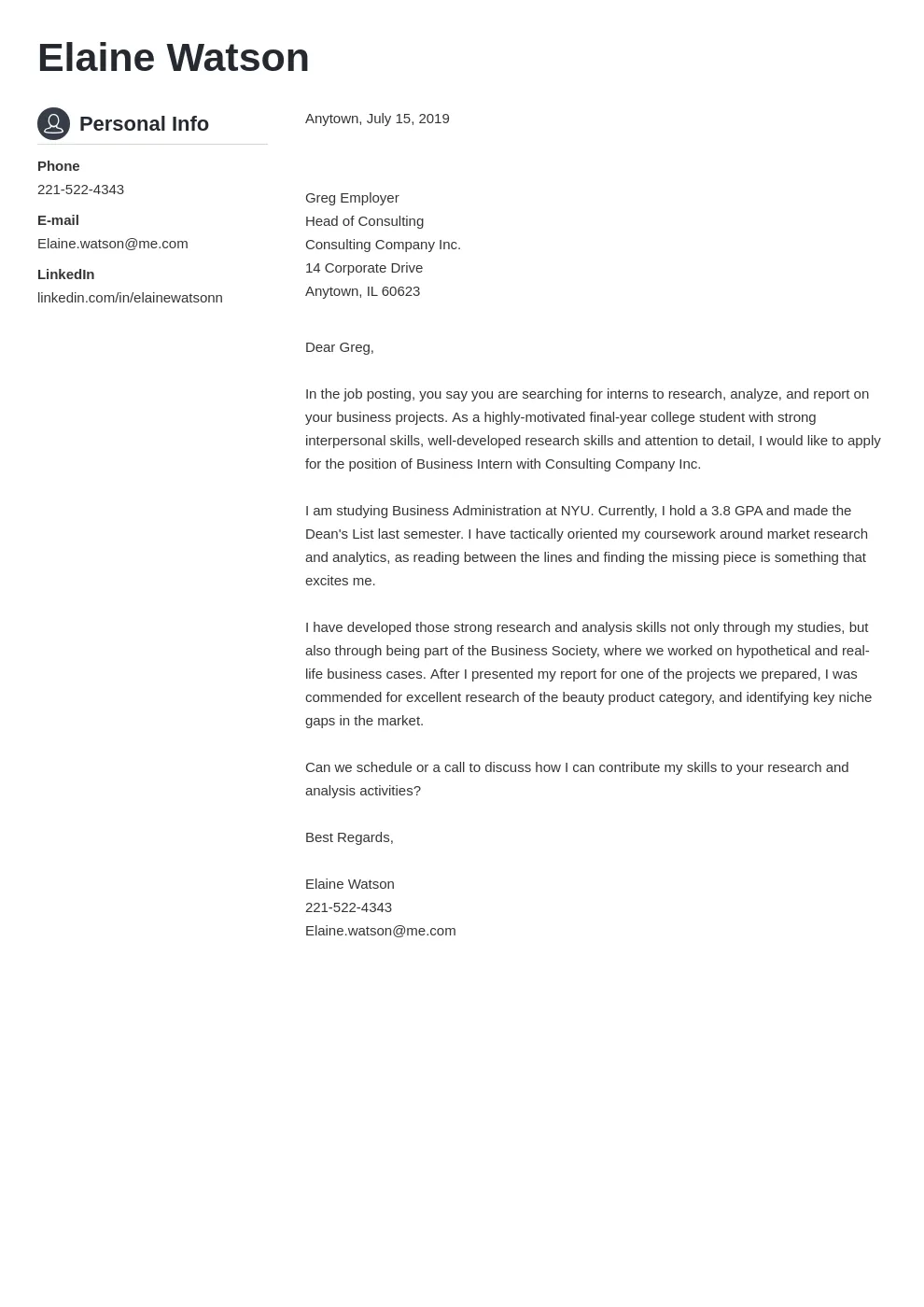
Understanding the Importance of a Business Plan Cover Letter
A well-crafted cover letter is an essential component of your business plan submission. It serves as your first introduction to potential investors, lenders, or stakeholders. It’s your opportunity to immediately capture their attention, explain the purpose of your business plan, and persuade them to read further. A strong cover letter significantly increases the chances of your business plan being considered seriously. It is more than just a formality; it’s a powerful tool to set the tone and highlight your key strengths, showcasing the potential of your business venture and inviting the reader to explore the plan in depth. It helps make a positive first impression.
Why You Need a Cover Letter
A cover letter provides context. It helps to frame your business plan and provides crucial context. It clearly states the purpose of the plan, whether you’re seeking funding, partnerships, or simply presenting your business strategy. It also summarizes your key objectives, providing a concise overview of what the plan contains. It’s also an opportunity to highlight your unique selling proposition (USP). In a world of numerous business plans, a compelling cover letter helps your plan stand out, emphasizing what makes your business model innovative, differentiated, and viable. It’s your chance to get your core message across.
First Impression Matters

The cover letter is often the first document a potential investor or lender will read. A professionally written and well-formatted cover letter sets a positive tone from the start. It demonstrates attention to detail and professionalism, indicating that you take your business seriously. A poorly written or generic cover letter can create a negative initial impression, leading the reader to question the credibility of your entire business plan. Investing time and effort in crafting a compelling cover letter is crucial for making a positive first impression and securing the reader’s attention.
Key Components of a Business Plan Cover Letter
Contact Information
Your Name and Title

Start with your full name and professional title. This establishes your identity and credibility as the author of the business plan.
Date
Include the date the cover letter is written to provide a reference point for the reader.
Recipient’s Name and Title
Address the cover letter to a specific person whenever possible. Use their correct title to show respect and attention to detail. If a specific person is not known, you may address to the appropriate department such as ‘The Investment Team’.
Company Name and Address

Provide the recipient’s company name and address to ensure the cover letter reaches the right place.
Opening Paragraph
State the Purpose
Clearly state the purpose of your cover letter and business plan in the first paragraph. Are you seeking funding, a loan, or investment? Are you simply presenting your plan for informational purposes? Clearly communicating your goals immediately is crucial.
Highlight Key Points

Briefly highlight the key aspects of your business plan. This might include your business concept, market opportunity, competitive advantage, and the amount of funding you are seeking. Keep it concise and engaging.
Body Paragraphs
Showcase Your Value Proposition
In the body paragraphs, elaborate on your value proposition. What makes your business unique? How will you solve a problem or fulfill a need in the market? Emphasize the benefits of investing in or partnering with your company. Quantify your achievements whenever possible, using data to support your claims. Demonstrate a clear understanding of your target market and your ability to meet its needs effectively.
Address the Specific Needs

Tailor your cover letter to the specific needs or interests of the recipient. If you know the investor’s investment focus or the lender’s lending criteria, address these points directly in your cover letter, showing that you have researched their requirements and prepared accordingly. You show that your company is prepared and can adapt to their needs.
Closing Paragraph
Express Gratitude
Express your gratitude for the reader’s time and consideration. Thank them for reviewing your business plan and offer your willingness to answer any questions or provide additional information. A sincere expression of appreciation sets a positive and professional tone.
Call to Action

Include a clear call to action. State what you want the reader to do next, such as scheduling a meeting, contacting you for further information, or reviewing your financial projections. Make it easy for the reader to take the next step.
Formatting Your Cover Letter
Font and Font Size
Use a professional font like Times New Roman, Arial, or Calibri. Ensure the font size is easy to read, usually between 10 and 12 points. Avoid using overly decorative or unconventional fonts, as they can detract from the professionalism of your letter.
Margins and Spacing
Use standard one-inch margins on all sides of the page. Use single-spacing within paragraphs and double-spacing between paragraphs. Proper formatting enhances readability and makes your cover letter more visually appealing.
Proofreading and Editing
Always proofread your cover letter carefully for any typos, grammatical errors, or inconsistencies. Errors can damage your credibility. Ask someone else to proofread your letter as well, as a fresh pair of eyes can often catch mistakes you might have missed. Use a grammar checker to identify and correct errors.
Cover Letter Examples
Cover Letter for a Startup
A cover letter for a startup should emphasize the innovative nature of the business, the size of the market, and your value proposition. Highlight your team’s expertise, the competitive advantages of your product or service, and the potential for rapid growth. Clearly state how much funding you need and how it will be used to achieve your goals. Showcase traction and early success. The cover letter should convey a sense of excitement and confidence in the future of the startup.
Cover Letter for Funding
When seeking funding, the cover letter needs to specifically address the funding request. Outline the amount of funding you require, how it will be used, and the expected return on investment (ROI) for the investor. Include a summary of your financial projections, key milestones, and the potential for profitability. Also, tailor the letter to the specific type of funding you are seeking (e.g., venture capital, angel investment, bank loan). If you are looking for investors, they want to know the risk and profit for their investments.
Mistakes to Avoid
Typos and Grammatical Errors
Careless mistakes in your cover letter can undermine your credibility. They suggest a lack of attention to detail and a lack of professionalism. Always proofread carefully and use a grammar checker.
Generic Language
Avoid using generic phrases and clichés. Your cover letter should be tailored to the specific business plan and the recipient. Show that you understand the needs of the reader. Use specific examples and data to make your letter more compelling. A personalized approach makes a better impression.
Ignoring Instructions
If the potential investor or lender provides specific instructions for submitting your business plan, follow them precisely. Ignoring these instructions demonstrates a lack of attention to detail and can lead to your plan being rejected. If no instructions are provided, follow standard professional cover letter formats.
Tips for a Compelling Cover Letter
Always personalize your cover letter, showing that you have researched the recipient and understand their interests. Keep it concise and focused, highlighting the most important aspects of your business plan. Use strong action verbs to create a sense of urgency and engagement. Tailor your language to match the tone and style of the recipient. Proofread carefully for any errors and ensure a professional presentation.