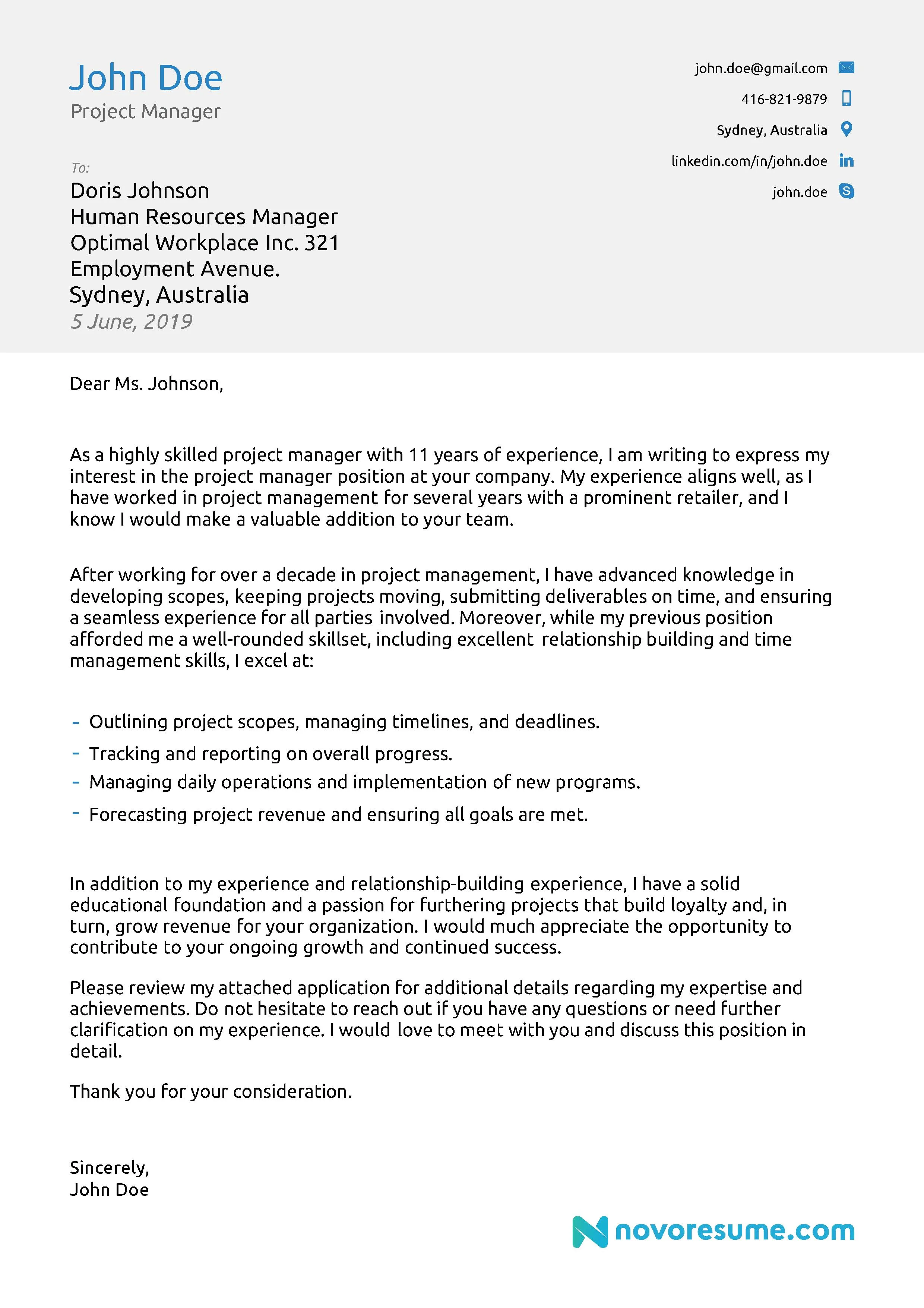
What is a Cover Letter
A cover letter is a crucial document that accompanies your resume when applying for a job. It serves as your introduction to the hiring manager, providing an opportunity to highlight your skills, experience, and interest in the position. Unlike a resume, which lists your qualifications, a cover letter allows you to tell your story and explain why you are the ideal candidate. It is your chance to make a strong first impression and persuade the employer to invite you for an interview. The best cover letters go beyond simply restating information from your resume; they demonstrate your personality, passion, and understanding of the company and the role.
Cover Letter Basics
Understanding the fundamental components of a cover letter is essential. The cover letter basics involve recognizing its purpose and how it should be structured. A well-crafted cover letter must be clear, concise, and tailored to each specific job application. It should showcase your relevant skills, experience, and enthusiasm for the position. The tone should be professional, yet personable, reflecting your personality and communication style. Always proofread to eliminate errors, and ensure the letter is easy to read and visually appealing.
Cover Letter Purpose

The primary purpose of a cover letter is to convince the hiring manager that you are a suitable candidate for the job. It provides an opportunity to expand on your resume, demonstrating how your skills and experience align with the job requirements. A well-written cover letter shows your genuine interest in the company and the specific role, setting you apart from other applicants. It should highlight key accomplishments, explain your career goals, and express your enthusiasm for the opportunity. Ultimately, the goal is to secure an interview, providing a platform to further discuss your qualifications.
Cover Letter Structure
A well-structured cover letter is critical for making a positive impression. The standard format generally includes a header, an introduction, body paragraphs, and a conclusion. Each section plays a specific role in presenting your qualifications and conveying your interest. A logical flow and organized presentation enhance readability and make it easy for the hiring manager to quickly grasp your key qualifications. Adhering to a professional structure helps ensure your cover letter is clear, concise, and effectively communicates your value.
Header Section
The header is the first element of your cover letter, providing essential contact information. It should include your full name, address, phone number, and email address. Typically, the header is aligned to the top left or right. Use a professional font and keep the design clean and uncluttered. Make sure your contact information is current and easily accessible. Including the date and the recipient’s name and title adds a professional touch. Accuracy in this section is important to ensure the hiring manager can easily reach you.
Introduction Paragraph

Your introduction sets the tone for the entire cover letter. Begin by stating the position you are applying for and how you learned about the opportunity. Capture the reader’s attention by briefly mentioning your key qualifications or a relevant accomplishment. Express your enthusiasm for the role and the company. The introduction should be concise and compelling, encouraging the reader to continue reading. Avoid generic opening lines; personalize your introduction to make a strong first impression. A well-crafted introduction can significantly increase your chances of getting noticed.
Body Paragraphs
The body paragraphs are the heart of your cover letter. Use this section to highlight your relevant skills and experiences, providing specific examples of your achievements. Connect your qualifications to the job requirements outlined in the job description. Tailor your content to each application, emphasizing the skills and experiences most relevant to the position. The body paragraphs are where you demonstrate your value and explain why you are the best fit for the job. Structure your paragraphs logically, using clear and concise language to effectively convey your message.
Highlight Relevant Skills and Experience
In your body paragraphs, focus on the skills and experience that align with the job requirements. Identify the key skills and qualifications mentioned in the job description and provide examples of how you have demonstrated these in your previous roles. Use specific examples to illustrate your abilities and accomplishments. Avoid simply listing your skills; instead, show how you have applied them to achieve positive results. Highlight achievements that showcase your strengths and make you stand out from other candidates. Tailor each cover letter to the specific requirements of the job to increase its effectiveness.
Quantify Your Accomplishments

Whenever possible, quantify your accomplishments to demonstrate the impact you’ve made in previous roles. Use numbers, percentages, or specific metrics to illustrate your achievements. Instead of saying ‘Improved customer satisfaction,’ state ‘Increased customer satisfaction scores by 15%.’ Quantifying your accomplishments adds credibility and provides tangible evidence of your capabilities. This approach makes your cover letter more compelling and helps the hiring manager understand the value you can bring to the company. Providing concrete examples of your achievements is key.
Tailor to the Job Description
Each cover letter should be tailored to the specific job description. Carefully review the job posting and identify the key requirements, skills, and qualifications the employer is seeking. Adjust your cover letter to address these requirements directly. Use keywords and phrases from the job description to demonstrate that you understand the role and the company’s needs. This shows the hiring manager that you have taken the time to understand the position and are a good fit. Customizing your cover letter increases your chances of getting noticed and making a positive impression.
Concluding Paragraph
Your concluding paragraph should summarize your interest in the position and reiterate your qualifications. Thank the hiring manager for their time and consideration. Express your enthusiasm for the opportunity and reiterate your desire to discuss your qualifications further. Keep the conclusion concise and professional, leaving the reader with a positive impression. The concluding paragraph should provide a clear and compelling closing statement that reinforces your suitability for the role.
Call to Action

Include a clear call to action in your concluding paragraph. Invite the hiring manager to contact you for an interview or to discuss your qualifications further. Make it easy for them to take the next step. Express your availability for an interview and provide your contact information again. This action encourages the hiring manager to take the next step in the process. A well-defined call to action can significantly increase the likelihood of receiving an interview invitation.
Cover Letter Formatting Tips
Proper formatting is essential for a professional and polished cover letter. Use a clean, easy-to-read font, maintain consistent formatting throughout, and ensure your letter is visually appealing. Formatting impacts readability and shows attention to detail. Ensure the layout is organized and easy to navigate. Adhering to these tips improves the overall impression your cover letter makes.
Font and Style
Choose a professional and easy-to-read font, such as Times New Roman, Arial, or Calibri. Use a font size between 10 and 12 points for optimal readability. Maintain consistent font and style throughout your cover letter. Avoid using overly decorative fonts or excessive formatting, which can distract from the content. The font and style should be professional and reflect your attention to detail.
Length and Tone

Keep your cover letter concise, typically no more than one page in length. Use a professional and enthusiastic tone throughout. Focus on highlighting your key qualifications and explaining your interest in the position. Avoid overly casual language or jargon. Ensure your tone reflects your personality while maintaining professionalism. The tone should align with the company culture and the specific role you are applying for. The length and tone of the cover letter significantly affect the overall impression.
Proofreading and Editing
Always proofread and edit your cover letter to eliminate any errors in grammar, spelling, and punctuation. Review the content for clarity and conciseness. Have someone else review your cover letter to catch any mistakes you may have missed. Errors can create a negative impression, so careful proofreading is essential. Proofreading ensures a polished and professional presentation. Proofread multiple times and use spell-check tools to help identify errors.
Common Mistakes to Avoid
Avoiding common mistakes can significantly improve the effectiveness of your cover letter. These mistakes can undermine your chances of getting noticed, so it’s important to be aware of them. Identifying and avoiding these pitfalls can help you create a compelling cover letter that highlights your qualifications and increases your chances of getting an interview. Review your cover letter to ensure it avoids the common errors.
Generic Cover Letters

Avoid sending generic cover letters that are not tailored to the specific job. Generic letters lack personalization and show a lack of genuine interest in the position. Customize your cover letter for each application. Highlight the skills and experiences most relevant to the job requirements, demonstrating that you have taken the time to understand the role and the company’s needs. Tailoring your letter increases your chances of getting noticed and making a positive impression on the hiring manager.
Typos and Grammatical Errors
Typos and grammatical errors can create a negative impression and undermine your credibility. Proofread your cover letter carefully to eliminate these mistakes. Ensure that your writing is clear, concise, and grammatically correct. Run your cover letter through a grammar and spell-check tool, and have someone else review it. Careful proofreading demonstrates your attention to detail and professionalism, and it is essential to the overall effectiveness of your cover letter.
Ignoring the Job Description
Failing to address the requirements outlined in the job description is a major mistake. Review the job posting and identify the key skills, qualifications, and experiences the employer is seeking. Tailor your cover letter to address these requirements directly, using keywords and phrases from the job description. Show that you understand the role and the company’s needs. Matching your qualifications to the job requirements increases your chances of getting an interview.
How to Tailor Your Cover Letter

Tailoring your cover letter to each specific job application is essential for maximizing your chances of success. This involves researching the company, using keywords from the job description, and showcasing your enthusiasm for the role. Demonstrating your understanding of the company and the position makes a significant impact on the hiring manager.
Research the Company
Research the company before writing your cover letter. Visit their website, read their mission statement, and learn about their products, services, and values. Demonstrating your knowledge of the company shows your genuine interest. Identify the company’s goals and align your skills and experiences with their objectives. Researching the company helps you to personalize your cover letter and make a stronger impression. Use the information to tailor your cover letter and show how your skills align with their needs.
Use Keywords from the Job Description
Identify the key skills, qualifications, and keywords in the job description. Incorporate these keywords into your cover letter to demonstrate that you meet the employer’s requirements. This also helps your application get noticed by applicant tracking systems. Use the exact wording from the job description where appropriate. This tailoring shows the hiring manager that you have the skills and experience required. This technique enhances your chances of getting an interview.
Showcase Your Enthusiasm
Show your enthusiasm for the role and the company throughout your cover letter. Express your interest in the position and explain why you are excited about the opportunity. Highlight aspects of the role or company that appeal to you. Your enthusiasm should be genuine and reflect your passion for the job. Showing enthusiasm helps you to stand out and leaves a positive impression on the hiring manager. This increases the chances of you getting an interview.
Example Cover Letter Breakdown
Reviewing an example cover letter can help you understand how to apply these principles effectively. Study a sample cover letter, paying attention to the structure, tone, and content. Analyze how the applicant highlights their skills, experience, and enthusiasm. Use this as a guide to create your own compelling cover letter. Examples provide valuable insights into best practices. Use these techniques to elevate your own job application.